

Navigating the New Era of Digital Accessibility: A Strategic Implementation Guide for Title II ADA Compliance

Jeffrey Rodgers
March 04 20 min read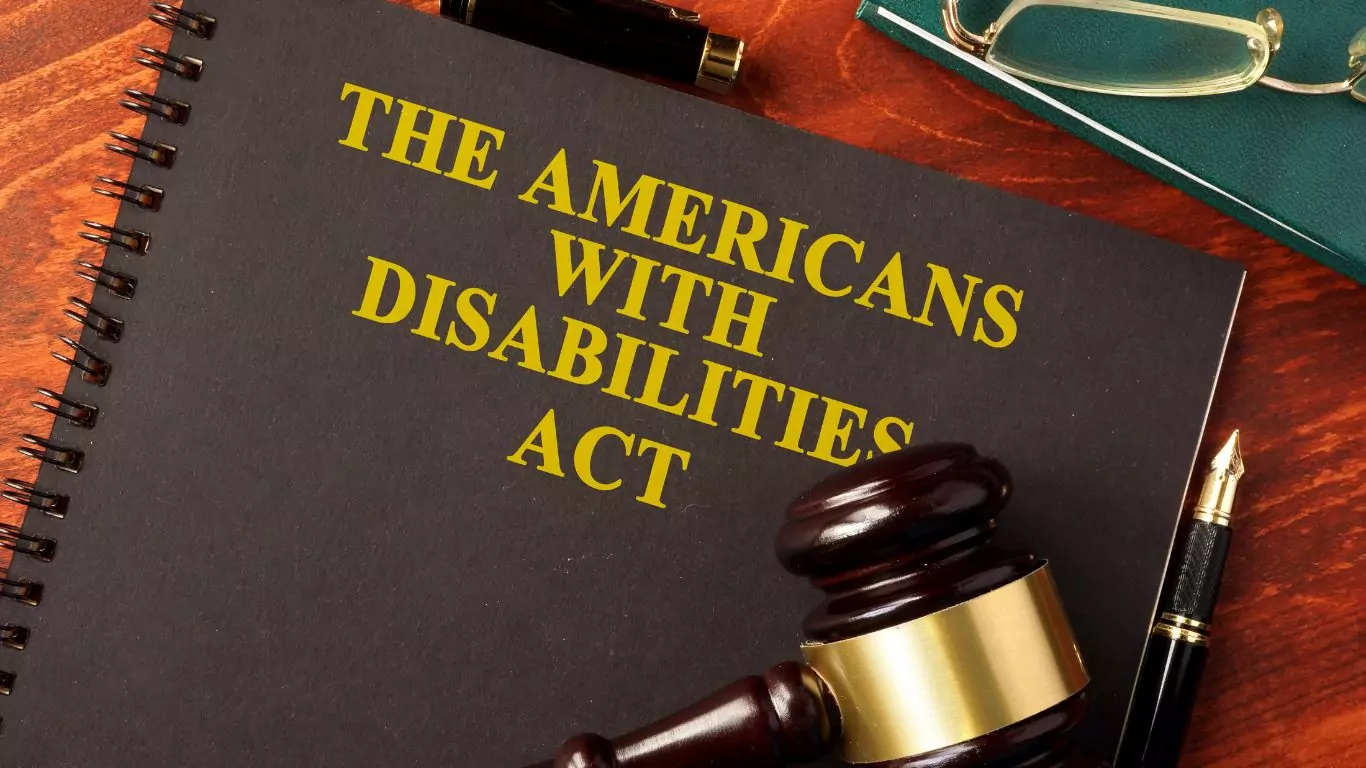 Image Caption
This is a challenging time for public entities. The Department of Justice’s new rule under Title II of the ADA establishes clear standards for digital content accessibility. However, meeting these standards is not simple and requires a specialized approach. Fortunately, our team has a wealth of knowledge and experience to draw from.
We’ve worked with several government organizations, public schools, and higher education institutions at Accessiblü, helping them tackle some challenging issues. For instance, we’ve partnered with Amherst College and the Central Dauphin School District to guide them through this process. Now, we want to share our approach so that other institutions can better understand the complexities involved.
This comprehensive guide will help public entities and those who do business with them, including education technology companies, develop strategic plans to achieve compliance with the new DOJ Title II rule while fostering genuine digital inclusion across their digital ecosystems.
TLDR:
The new DOJ Title II rule requires websites and digital assets to meet WCAG 2.1 AA standards by 2026/2027. The traditional audit process is expensive and ineffective for public organizations. Instead:
- Take a strategic, phased approach, prioritizing high-impact content.
- Build internal capacity and sustainable processes.
- Partner with experienced accessibility experts.
This delivers better ROI with benefits beyond compliance: legal protection, financial advantages, enhanced reputation, and improved learning outcomes for all students.
Understanding the New DOJ Title II Rule: What Leaders Need to Know
The Department of Justice’s final rule on ADA Title II establishes specific accessibility standards for websites and mobile applications operated by public entities, including educational institutions. Published in 2024, this rule requires that digital content be accessible to individuals with disabilities, enabling them to access educational resources and services independently.
Key Requirements
The Title II rule requires websites and applications to comply with Web Content Accessibility Guidelines (WCAG) 2.1 Level AA standards. This comprehensive framework ensures that digital content is:
- Perceivable: Information must be presentable to users in ways they can perceive, regardless of disability
- Operable: User interface components must be navigable by all users
- Understandable: Information and operation must be easily comprehensible
- Robust: Content must be compatible with current and future assistive technologies
Compliance Timeline
- April 24, 2026: Deadline for larger organizations and schools serving populations of 50,000 or more students/residents
- April 26, 2027: Deadline for smaller organizations and special public-serving entities
Learn More: Accessiblü Title II FAQ
The Multifaceted Benefits of Digital Accessibility
Implementing digital accessibility provides significant benefits that go well beyond legal compliance. These advantages create substantial value for all stakeholders in your ecosystem.
Legal and Risk Mitigation Benefits
- Reduced Legal Exposure: Institutions implementing WCAG 2.1 AA standards significantly reduce their vulnerability to accessibility-related complaints, OCR investigations, and lawsuits
- Documentation of Good Faith Efforts: A systematic approach to accessibility demonstrates due diligence and commitment to inclusion, which can be valuable if legal challenges arise
- Protection for Federal Funding: For institutions receiving federal funds, accessibility compliance helps protect this crucial revenue stream by ensuring alignment with federal requirements
Business and Financial Benefits
- Expanded Market Reach: For ed tech companies and government vendors, accessible products open doors to the entire public sector market, which will increasingly require WCAG 2.1 AA compliance
- Competitive Advantage: Institutions and companies with accessible digital environments gain preference in procurement decisions, partnerships, and student recruitment
- Reduced Remediation Costs: Proactive accessibility implementation costs significantly less than rushed remediation following complaints or legal action
- Operational Efficiency: Properly structured digital content is easier to maintain, update, and repurpose, reducing long-term content management costs
- Infrastructure Optimization: Accessible digital systems often perform better, load faster, and operate more efficiently across diverse devices and network conditions
Marketing and Reputation Benefits
- Enhanced Brand Perception: Demonstrated commitment to accessibility positions organizations as inclusive, forward-thinking, and socially responsible
- Student Recruitment Advantage: Accessible digital environments signal inclusivity to prospective students and their families, potentially boosting enrollment
- Partnership Opportunities: Accessibility leadership can open doors to grants, research funding, and partnerships focused on inclusive education
- Community Goodwill: Visible commitment to serving all learners builds positive relationships with disability communities and advocacy organizations
- Employer Reputation: Institutions known for accessibility excellence become more attractive to those still committed to inclusivity
Accessibility Benefits
- Improved Access: Accessible content typically benefits everyone, not just those with disabilities, through clearer organization, multiple representation formats, and enhanced usability
- Reduced Need for Individual Accommodations: When digital environments are inherently accessible, fewer special accommodations are needed, freeing disability service resources for more specialized support
- Increased Engagement: Accessible design principles align closely with universal design for learning (UDL), which has been shown to increase engagement and persistence
- Enhanced Quality: The process of making content accessible often improves its overall quality, clarity, and effectiveness
- Support for Diverse Learning Styles: Accessible content accommodates various learning preferences and situations, from visual learners to auditory processors to those studying in noisy environments
Why Our Strategic Approach Provides the Best ROI for Title II Organizations
We’ve seen how the traditional accessibility audit model—hiring external consultants to conduct exhaustive testing across your entire digital ecosystem and deliver a comprehensive report of findings— fails public institutions for several critical reasons. Not to mention dramatically reducing their return on investment.
The Limitations of the Traditional Audit-First Approach
When public entities and schools attempt to begin their accessibility journey with comprehensive audits from traditional accessibility consulting firms, they frequently encounter:
- Prohibitive Cost Structures: Initial quotes often range from $50,000 to $200,000+ for full audits, putting thorough evaluation out of reach for many budgets.
- Wrong Approach: Trying to audit everything at one time is too broad of an approach – this is why initial estimates are so high and ineffective. They try to tackle too much at one time.
- Overwhelming Results: Reports identifying hundreds or thousands of issues across complex digital ecosystems can paralyze action rather than facilitate it.
- Limited Context: Generic accessibility firms typically lack a specific understanding of custom technologies, learning management systems, classroom and public-office dynamics.
- Misaligned Timelines: Traditional firms often operate on corporate timelines. That conflicts with agency and educational calendars and budget cycles.
- Remediation Disconnects: Most audit-focused firms provide findings without practical guidance on how public entities should implement fixes within their unique constraints.
- Academic Disconnect: Most firms fail to understand how accessibility works within academic freedom and third-party content and how to balance academic integrity and accessibility for assessments and course content.
- Scope Definition Challenges: Public digital ecosystems are uniquely complex. This makes it nearly impossible to define an audit scope accurately without a strategic foundation to help estimate costs.
The Strategic Approach: Higher ROI Through Focused Implementation
Our strategic approach is tailored explicitly to public and educational contexts and delivers a better return on investment by:
- Starting with Strategic Planning Rather Than Comprehensive Testing:
- Developing a framework for ongoing compliance rather than a one-time evaluation
- Establishing priorities aligned with institutional impact rather than technical perfection
- Creating scalable processes that can be maintained with existing resources
- Identifying what accessibility initiatives are already being done
- Focusing Resources on Highest Impact:
- Prioritizing core public-facing environments and student-facing systems
- Addressing barriers to essential functions first
- Investing in systemic solutions rather than isolated fixes
- Understanding the current accommodation landscape
- Building Internal Capacity:
- Developing expertise within your institution
- Training content creators to produce accessible materials from the outset
- Reducing long-term dependence on external consultants
- Leveraging Accessibility Expertise:
- Working with accessibility partners who understand complex integrations and learning management systems
- Aligning accessibility efforts with city/county/state and educational goals
- Implementing solutions compatible with your workflows
- Implementing Phased Approaches:
- Organizing accessibility improvements around government and academic calendars
- Coordinating with content development and billing, publication, and revision cycles
- Synchronizing with tech refresh and procurement timelines
The Cost-Effectiveness of the Strategic Approach
The strategic approach consistently delivers better financial outcomes for public entities:
- Predictable Budget Planning: Instead of massive upfront audit costs, investments can be distributed across multiple budget cycles
- Resource Optimization: Existing staff can be upskilled rather than relying solely on expensive external remediation
- Reduced Duplication: Accessibility improvements can be coordinated with planned digital upgrades
- Preventative Economics: Accessible content creation from the start eliminates costly retrofitting
- Sustainable Compliance: Building processes rather than purchasing one-time services creates lasting value
By developing a strategic roadmap before conducting targeted testing, public institutions can achieve meaningful accessibility improvements for a fraction of the cost of the traditional audit-first approach while simultaneously building capacity that will serve them well beyond initial compliance deadlines.
Why Traditional Accessibility Companies Often Struggle with Large Public-Entity Clients
Most accessibility firms have business models optimized for corporate clients—particularly those facing legal pressure—rather than public or educational institutions with their unique characteristics. Understanding this misalignment helps leaders make better decisions about accessibility partnerships.
The Disconnect Between Traditional Accessibility Models and Public Entity Needs
Traditional accessibility companies typically offer services designed for corporate environments with:
- Profit-Center Perspective: Treating accessibility as a risk management expense rather than an enhancement
- Legal Compliance Focus: Emphasizing strict technical compliance over accessibility effectiveness
- Centralized Decision-Making: Assuming hierarchical approval structures not reflective of governance, public, and educational entities.
- Standardized Digital Environments: Expecting uniformity across digital assets that doesn’t exist in diverse digital ecosystems.
- Deep Resources for Remediation: Presuming available technical staff dedicated to implementation
- Corporate Sales Cycles: Operating on timelines misaligned with academic budget planning
The Public Context Requires a Different Approach
We know that public institutions operate with fundamentally different structures:
- Mission-Driven Orientation: Viewing accessibility through the lens of individual missions rather than purely compliance
- Decentralized Content Creation: Managing content produced by a myriad of staff and personnel rather than a centralized team
- Limited Technical Resources: Operating with constrained IT and development capabilities
- Complex Digital Ecosystems: Maintaining diverse platforms, systems, and databases
- Personnel Considerations: Balancing accessibility requirements with employee autonomy
- Cyclical Operations: Working within calendars that affect implementation timelines
- Consortium and System Relationships: Navigating complex organizational structures spanning multiple departments and organizations.
An Public-Focused Partnership Model
Public institutions benefit most from accessibility partners who:
- Understand Multiple Technologies:
- Have experience with various technologies and systems
- Recognize the unique challenges of different platforms
- Understand public workflows and governance
- Offer Capacity Building Rather Than Just Testing:
- Provide training for faculty, staff, leadership, and content creators
- Help establish sustainable processes
- Transfer knowledge rather than create dependency
- Present Staged Implementation Options:
- Recognize budget constraints and planning cycles
- Offer phased approaches aligned with government calendars
- Provide options scalable to various institutional sizes
- Balance Technical Compliance with Impact:
- Prioritize improvements based on department needs
- Consider the implications of different accessibility solutions
- Support universal design principles
- Provide Clear, Actionable Guidance:
- Translate technical requirements into practical steps
- Offer specific remediation advice for different contexts
- Create resources specifically for different departments and staff
By having an accessibility partner that understands diverse contexts rather than generic accessibility firms, public institutions can achieve more meaningful improvements with limited resources while building sustainable accessibility practices aligned with their core mission.
Starting Your Title II Accessibility Journey: The Gap Analysis
The foundation of your accessibility compliance strategy should be a comprehensive gap analysis that evaluates your current digital assets against WCAG 2.1 Level AA standards. This process will identify barriers that might prevent community members with disabilities from fully participating in your digital educational environment.
Scope of Analysis for Public Entities
- Core Digital Systems: Evaluate your core digital systems, including key platforms like emergency services, permits, websites, and even Library resources
- Educational Content: Assess digital assets, audio, videos, interactive simulations, and other learning resources
- Administrative Systems: Review public portals, applications, information systems, and other administrative digital tools
- Public-Facing Content: Examine individual websites, programs, directories, maps, and event calendars
- Mobile Applications: Analyze any mobile apps providing access to public resources or administrative functions
Accessiblü Tip: A common accessibility barrier is that some organizations think having a phone-in option is all they need. However this is not compliant per the DOJ. (It’s not fully accessible itself!)
Approach to Conducting the Accessibility Analysis
- Form a Cross-Functional Team: Include representatives from:
- IT/technical teams who understand web and application infrastructure
- Content designers and people who create and deliver content
- Accessibility specialists with knowledge of WCAG requirements
- Disability services staff who understand accommodation needs
- Students or community members who use assistive technologies
- Combine Automated and Manual Testing:
- Begin with automated testing tools to identify basic issues (missing alt text, color contrast, etc.)
- Follow with manual testing using assistive technologies like screen readers and keyboard-only navigation
- Remember that automated tools typically catch only about 30% of accessibility issues—manual testing is essential for comprehensive evaluation
- Evaluate Key Metrics:
- Accessibility of interactive elements (quizzes, maps, forms)
- Availability of captions and transcripts for videos and audio content
- Compatibility of digital materials with screen readers
- Navigability of administrative systems for people with mobility impairments
- Accessibility of communication tools (message boards, video conferencing)
Prioritizing Accessibility Improvements
After completing your gap analysis, you’ll likely identify numerous remediation issues. Prioritizing these improvements strategically ensures that you address the most critical barriers first while making steady progress toward full compliance.
High-Priority Improvements for Organizations:
- Course Access and Materials:
- Ensure core navigation of essential platforms are keyboard accessible
- Provide text alternatives for images in key materials
- Add captions and transcripts to essential videos
- Make sure PDFs, e-books, and readings are properly structured for screen readers
- Administrative Functions:
- Ensure accessibility of registration and application systems
- Make financial applications and processes accessible
- Ensure platforms and digital tools are fully accessible
- Emergency Information and Safety:
- Prioritize accessibility of emergency notifications
- Ensure evacuation information and safety resources are accessible
Medium-Priority Improvements:
- Supplementary Content:
- Additional resources and optional materials
- Library digital collections and public databases
- Community support resources
- Community Engagement:
- Public organization websites
- Event registration systems
- Public information
Develop a Clear Timeline with Milestones
Create a realistic timeline that acknowledges the complexity of accessibility work while ensuring steady progress toward compliance deadlines:
- Short-term goals (3-6 months): Address high-priority barriers affecting core functions
- Medium-term goals (6-18 months): Remediate systemic issues requiring more extensive changes
- Long-term goals (18+ months): Implement organizational changes to ensure ongoing accessibility
Building Accessibility into Content Creation
Public institutions produce vast amounts of digital content—from digital materials and video recordings to administrative forms and marketing materials. Embedding accessibility principles into your content creation processes is essential for sustainable compliance.
Creating Accessible Content
- Establish Clear Guidelines for Marketing and Content Creators:
- Develop accessibility standards tailored to different content types
- Create templates for common materials that are pre-formatted for accessibility
- Provide checklists for staff to verify accessibility before publishing
- Implement Accessible Procurement Practices:
- Require VPAT (Voluntary Product Accessibility Template) documentation for all new technology purchases
- Include specific accessibility requirements in RFPs and contracts
- Evaluate third-party tools and platforms before adoption
- Train Content Creators on Accessibility Principles:
- Provide specialized training for staff on creating accessible materials
- Train administrative staff on producing accessible documents and forms
- Offer regular workshops on using authoring tools to create accessible content
Key Accessibility Features for Public Content
- Proper Document Structure: Use correct heading levels to organize content in a logical hierarchy
- Alternative Text: Provide descriptive alt text for images that convey key concepts
- Accessible Math and Science Content: Use MathML or other accessible formats for mathematical equations
- Descriptive Links: Write link text that clearly indicates where the link will lead
- Captioned Videos: Include synchronized captions for all instructional videos
- Transcripts for Audio: Provide text transcripts for audio-only content
- Color Independence: Ensure that color is never the only means of conveying key information
The Role of User Testing in Accessibility
While technical compliance with WCAG standards is essential, the true measure of accessibility is whether people with disabilities can effectively use your platforms. User testing with people who have disabilities provides invaluable insights that automated tools and technical reviews cannot capture.
Implementing Effective User Testing
- Recruit Diverse Participants:
- Include people with various disabilities
- Consider testing with community members who use different assistive technologies
- Involve users with varying levels of technical proficiency
- Test Real Scenarios:
- Accessing and interacting with digital materials
- Completing and submitting applications and forms
- Participating in online messaging, discussions, and collaborative activities
- Accessing support services
- Document and Address Findings:
- Record specific barriers encountered during testing
- Prioritize issues that directly impact access
- Incorporate findings into your remediation plan
- Schedule follow-up testing to verify improvements
Benefits of User Testing for Public Entities
- Real-world Validation: Confirms that technical compliance translates to actual usability
- Prioritization Insights: Helps identify which barriers most significantly impact experiences
- Institutional Learning: Builds understanding of accessibility challenges across the organizations
- Community Engagement: Demonstrates commitment to inclusivity and values diverse perspectives
- Continuous Improvement: Establishes a feedback loop for ongoing enhancement
Documenting Your Institution’s Title II Accessibility Efforts
Proper documentation of your accessibility efforts serves multiple essential purposes: demonstrating compliance with legal requirements, guiding your institutional practices, and communicating your commitment to inclusivity.
Key Documentation for Institutions
- Accessibility Policy:
- A public-facing statement of your institution’s commitment to digital accessibility
- Clear guidelines on accessibility standards for various digital assets
- Roles and responsibilities for maintaining accessibility
- Accessibility Statement:
- Information about your institution’s current level of accessibility
- Known limitations or challenges
- Methods for users to report accessibility barriers
- Contact information for accessibility assistance
- Accommodation Process Documentation:
- Clear procedures for requesting accessibility accommodations
- Expected timeframes for addressing accommodation needs
- Options for temporary access while permanent solutions are implemented
- Voluntary Product Accessibility Templates (VPATs):
- Standardized documentation of how your digital services conform to accessibility standards
- Essential for technology companies providing services to public entities, schools, and more
- Valuable for procurement decisions and vendor evaluation
- Conformance Reports and Remediation Plans:
- Detailed documentation of accessibility evaluations
- Prioritized plans for addressing identified issues
- Timeline for remediation activities
- Record of completed improvements
Using Documentation Strategically
Your accessibility documentation should be:
- Transparent: Honestly communicating both achievements and limitations
- Educational: Helping users understand available accessibility features
- Actionable: Providing clear paths for reporting issues and requesting assistance
- Evolving: Regularly updated to reflect current accessibility status and ongoing efforts
Creating a Sustainable Culture of Accessibility
Lasting accessibility requires more than technical compliance—it demands cultural change throughout your public institution. Building a culture that values accessibility as imperative rather than a regulatory burden ensures long-term sustainability.
Strategies for Cultural Transformation
- Executive Leadership and Commitment:
- Secure visible support from officials, department heads, and other institutional leaders
- Establish accessibility as a core value aligned with the organizations mission
- Allocate adequate resources to accessibility initiatives
- Integrate Accessibility into Existing Processes:
- Incorporate accessibility checkpoints into content development workflows
- Include accessibility requirements in technology procurement
- Make accessibility part of any assessment process
- Build Institutional Knowledge:
- Develop internal accessibility experts across departments
- Create communities of practice around digital accessibility
- Provide on-demand accessibility training
- Recognize and reward accessibility champions
- Foster Broader Understanding:
- Help all stakeholders understand that accessibility benefits everyone
- Share success stories and positive impacts of accessible design
- Frame accessibility as an educational quality issue, not just compliance
Measuring Success Beyond Compliance
Track metrics that demonstrate the educational impact of accessibility improvements:
- Increased engagement from people with disabilities
- Reduced need for individual accommodations
- Improved outcomes across programs
- Enhanced user satisfaction with digital resources
- Greater efficiency in content creation and delivery
The Ongoing Commitment to Accessibility
Like cybersecurity, accessibility requires continuous attention as technologies evolve and your digital ecosystem changes. Establishing processes for ongoing monitoring and maintenance ensures sustained compliance and inclusive experiences.
Key Components of Ongoing Accessibility Management
- Regular Auditing and Testing:
- Schedule annual or semi-annual accessibility reviews of core platforms
- Conduct accessibility testing before major platform updates or content releases
- Monitor user feedback and accessibility complaints to identify emerging issues
- Keeping Pace with Standards Evolution:
- Stay informed about updates to accessibility standards (like the transition from WCAG 2.1 to 2.2)
- Plan for implementation of new success criteria as standards evolve
- Participate in accessibility communities to anticipate coming changes
- Continuous Professional Development:
- Provide ongoing training for new hires and staff
- Offer advanced accessibility workshops for content creators
- Support certification in accessibility for key personnel
- Adaptive Remediation Approaches:
- Develop processes for quickly addressing newly discovered barriers
- Create workflows for handling accessibility feedback from users
- Establish escalation procedures for critical accessibility issues
Special Considerations for Private Technology Companies
At Accessiblü, we collaborate with various companies that serve public institutions. Clients like Accelerate Learning and the 95Percent Group face unique considerations under the Title II rule. Like them, your tech products may become subject to both federal and state accessibility requirements for your public clients.
Strategic Approaches for Tech Providers
- Product Development Best Practices:
- Integrate accessibility testing throughout the development lifecycle
- Include users with disabilities in product design and testing
- Build accessibility expertise within development teams
- Documentation and Support:
- Provide detailed VPATs for all products
- Develop accessibility guides specific to your platforms
- Offer accessibility training for clients
- Contractual Considerations:
- Be prepared for more stringent accessibility requirements in contracts
- Clearly define accessibility responsibilities between your company and public clients
- Consider how accessibility remediation costs will be handled
- Competitive Advantage:
- Position accessibility as a key differentiator in the public market
- Showcase accessibility features in marketing materials
- Develop case studies highlighting successful accessible implementations
Accessiblü Title II Tip: A VPAT tailored can be critical to institutions utilizing your application. We know how to explain why some criteria may not be supported due to purposeful design.
Leveraging Accessibility for Innovation
The push for digital accessibility presents an opportunity to rethink and enhance digital experiences for all. Rather than viewing accessibility as a constraint, forward-thinking institutions recognize it as a catalyst for innovation.
Accessibility-Driven Innovation
- Universal Design for Learning (UDL):
- Use accessibility requirements as a foundation for implementing UDL principles
- Create flexible learning environments that accommodate diverse learning styles
- Design experiences that provide multiple means of engagement, representation, and action/expression
- Enhanced Public Content:
- Develop content rich materials that benefit all people
- Create content that works effectively across different devices and contexts
- Design interactive elements that accommodate diverse interaction methods
- Improved User Experience:
- Apply accessibility principles to simplify complex interfaces
- Reduce cognitive load through clear navigation and consistent design
- Create streamlined experiences that benefit users in constrained environments
- Expanded Reach:
- Leverage accessible design to serve more people
- Extend opportunities to previously underserved populations
- Support educational access in diverse technical environments
Conclusion: Embracing the Opportunity
The DOJ’s Title II rule represents more than a compliance requirement—it’s an opportunity to reaffirm a fundamental promise of equal access to all. By approaching accessibility strategically, public institutions can transform this regulatory change into a catalyst for building more inclusive, effective digital environments.
Remember that accessibility is not a destination but a journey of continuous improvement!
Each step toward greater accessibility expands opportunities and enriches the digital experience for all. By embedding accessibility into your institutional values and processes, you’re not just complying with a rule—you’re fulfilling the primary purpose of the ADA!
As you build your accessibility roadmap, remember that you don’t have to make this journey alone. Professional accessibility partners with expertise, like Accessiblü, can provide strategic guidance, targeted assessments, and practical implementation support tailored to your unique oganization’s context and constraints—ultimately delivering better outcomes at a lower cost than traditional audit-centered approaches.
For assistance with accessibility strategic planning, targeted assessments, and implementation support tailored to public entities and educational environments, contact Accessiblü—experts in ADA, Section 508, and WCAG compliance with deep experience. Visit www.accessiblu.com for more information.
 June 02 9 min read
Most colleges, county governments, and state agencies breathed a sigh of relief when the DOJ extended the ADA Title…...
 April 29 9 min read
The Art of Alt+Text: Mastering Alternative Descriptions for Images [Updated 4/29/26] In today’s digital world, accessibility is key to creating…...
April 20 9 min read
If you’ve been scrambling to meet the April 24, 2026, ADA Title II compliance deadline for web and mobile app…...
April 06 14 min read
We’re in April 2026, and the DOJ ADA Title II Rule deadline of April 24 is upon us. I’m still…...
February 17 12 min read
Over the past two months, I’ve had dozens of conversations with state agencies, county governments, and public entities who are…...
 February 04 11 min read
I think it’s about time that someone writes this blog. As an accessibility company, you may think we benefit from…...
 November 25 11 min read
If you thought navigating ADA website compliance was challenging before, there’s a new wrinkle that’s making things even more complicated.…...
October 28 9 min read
Hi there — if you’re reading this, chances are you’re a C-Suite leader or a web/digital manager who cares about…...
September 15 11 min read
With just 7 months until April 2026, it’s time for an honest assessment—and smarter decisions about your path forward. As…...
August 18 13 min read
During my years as an instructional designer in higher education, I’ve watched countless faculty members struggle with the same challenge:…...
 August 12 10 min read
As someone who spent 21 years in higher education as a professor, instructional designer, and accessibility specialist before joining Accessiblü,…...
 July 22 11 min read
When compliance costs meet fiscal reality: Navigating the undue burden provision with confidence and clarity Disclaimer: This article provides general…...
May 20 8 min read
In 2025, accessibility isn’t just a moral imperative—it’s a legal necessity. As businesses expand their online presence, the risk of…...
 April 28 12 min read
In today’s digital landscape, accessibility isn’t just a nice-to-have—it’s increasingly becoming a business imperative. If you’re a CEO, CTO, or…...
February 11 8 min read
ADA Title II: Understanding the New DOJ Rule: What State & Local Leaders and Businesses Need to Know What the…...
 February 06 5 min read
Compliance, Deadlines, and What Businesses Need to Do Now The European Accessibility Act (EAA) is a game-changer for businesses operating…...
January 27 6 min read
We at Accessiblü strive to keep our political views private. However, I did feel the need to address the elephant…...
 November 08 8 min read
Before joining Accessiblü, I spent 20 years as an instructional designer, accessibility specialist, and LMS administrator in higher education. In…...
 September 19 11 min read
Digital accessibility is a complex challenge. Businesses often struggle to know where to start, lacking a clear understanding of how…...
September 05 8 min read
Digital accessibility presents a significant challenge for company executives. Many leaders mistakenly view it as a simple fix or an…...
April 10 10 min read
In a significant move towards inclusivity, the Department of Justice (DOJ) recently issued a final rule under Title II of…...
 December 01 10 min read
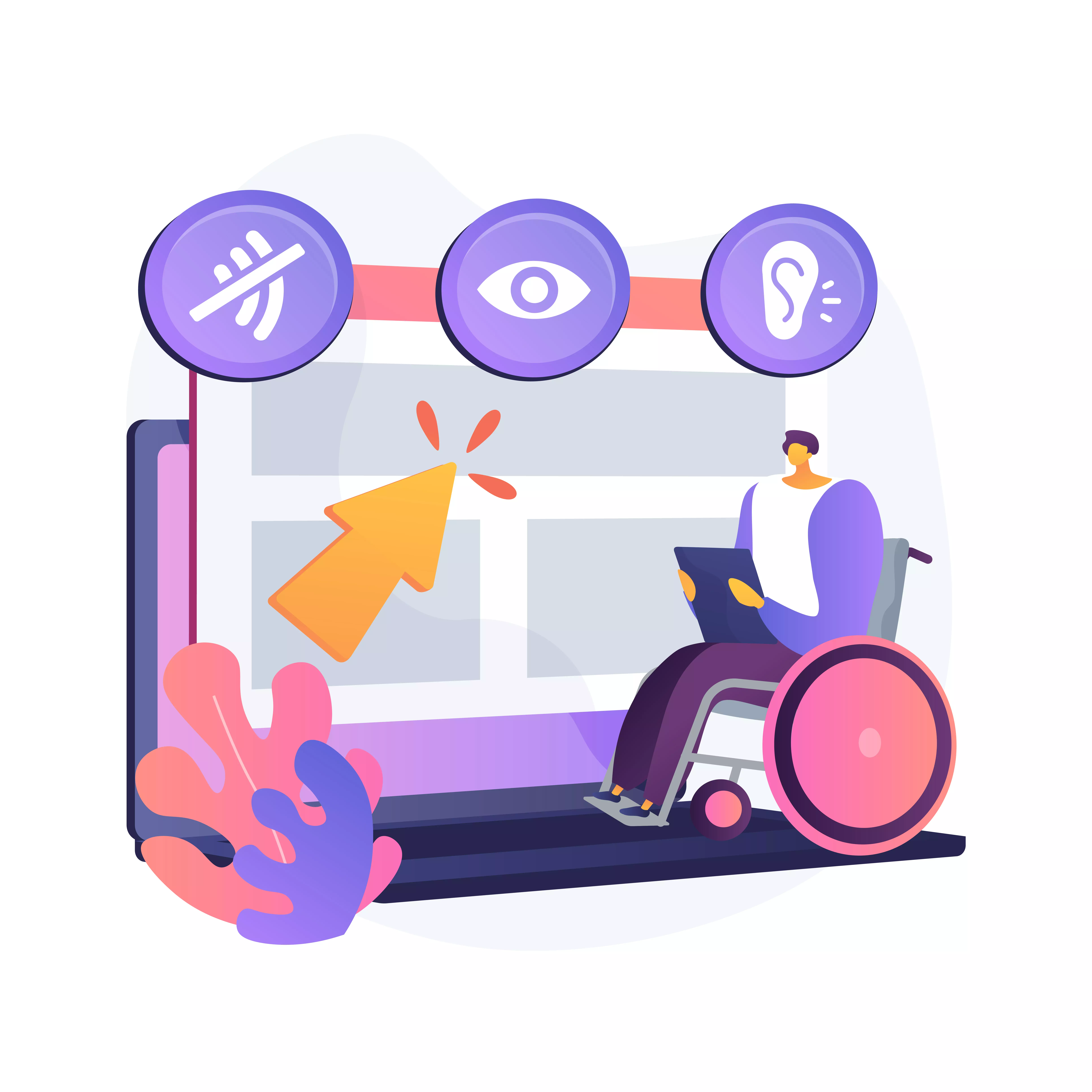
In today’s digital landscape, web accessibility is essential to ensuring equal access and inclusion for all users. Accessibility overlays have…...
August 24 13 min read
August is back-to-school time, and this is the perfect opportunity to discuss improving the accessibility of online courses. As someone…...
 July 19 6 min read
The digital landscape is constantly evolving, and with it comes the need for inclusive and accessible online experiences. California has…...
 July 13 5 min read
If you own or operate a website used by the US federal government, you need to ensure it’s accessible to…...
 May 25 10 min read
On May 19, 2023, the Department of Education (DOE) and the Department of Justice (DOJ) issued a “Dear Colleague Letter”…...
 April 14 11 min read
Mention “accessibility” in any conversation about websites or digital media; you might get a wide array of responses. Depending on…...
 August 19 9 min read
Digital Overlays are not accessible, and are not ADA compliant. Good web design from the beginning or an accessibility audit…...
 August 12 9 min read
Digital Overlays are not accessible, and are not ADA compliant. Good web design from the beginning or an accessibility audit…...
 May 16 5 min read
Global Accessibility Awareness Day (GAAD) is every third Thursday in May – this year it is May 19, 2022 On…...
 December 06 5 min read
We hear this question from businesses of all sizes, and often wonder why they ask, because the law is so…...