

ADA Title II FAQ

Jeffrey Rodgers
February 11 8 min read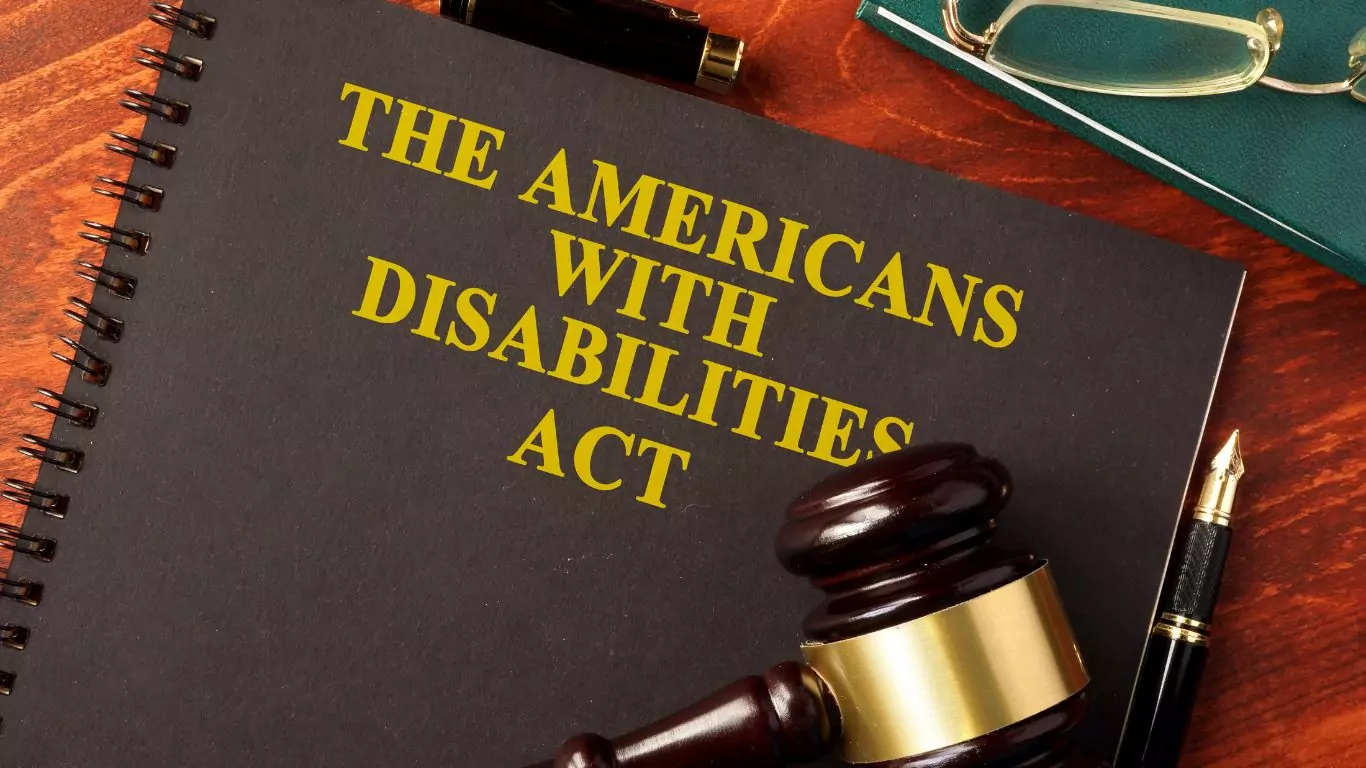 Image Caption
ADA Title II: Understanding the New DOJ Rule:
What State & Local Leaders and Businesses Need to Know
What the New DOJ Rule Means for Digital Accessibility in Government
In April 2024, the Department of Justice (DOJ) issued a new rule under Title II of the Americans with Disabilities Act (ADA) to ensure that state and local government digital services—such as websites and mobile applications—are accessible to people with disabilities. This rule has major implications for government agencies, contractors, and businesses working with public entities.
In this article, we break down 20 essential FAQs about the DOJ’s new ADA Title II rule, what it means for government agencies, and how businesses working with these agencies can prepare.
What Is the new DOJ ADA Title II Rule?
The DOJ’s final rule on ADA Title II sets specific accessibility standards for government websites and mobile apps. It ensures that people with disabilities can independently access public services, much like physical ADA compliance ensures wheelchair access to buildings.
Who Needs to Comply?
All state and local government agencies, including:
- Municipal governments
- County governments
- State agencies
- Special districts (such as public transportation authorities and public utilities)
- Businesses that contract with public entities to provide digital services
Compliance Timeline
- April 24, 2026 – Compliance deadline for public entities with 50,000 or more residents.
- April 26, 2027 – Compliance deadline for smaller public entities and special district governments.
Frequently Asked Questions (FAQs) on the DOJ ADA Title II Rule
1. What are the technical requirements for compliance?
Websites and mobile apps must comply with Web Content Accessibility Guidelines (WCAG) 2.1 Level AA, an internationally recognized standard for digital accessibility. This ensures that text, images, navigation, and interactive elements are accessible to users with disabilities.
Keep in mind that the current version of WCAG is 2.2. If you comply with WCAG 2.2, you will meet all WCAG 2.1 success criteria and nine new criteria. This means WCAG 2.2 Level AA exceeds the requirements of the DOJ rule.
2. What types of government content must be accessible?
All public-facing digital content, including:
- Websites and online forms
- Mobile applications
- PDFs and other downloadable documents
- Digital payment portals
- Live and pre-recorded video content
3. What are the consequences of non-compliance?
Agencies that fail to comply may face civil rights complaints, lawsuits, and DOJ enforcement actions. Businesses contracting with governments should ensure their digital solutions meet accessibility standards to avoid legal liability.
Some states, such as Colorado, have fines that can be levied for failure to comply with state accessibility laws. There are no federal fines for failure to comply with the new Title II rule.
4. Do businesses working with governments need to comply?
Yes. If your company provides web design, mobile app development, or IT services to a government entity, your products must be ADA Title II compliant.
Understanding Exemptions Under the ADA Title II Rule
5. Are any types of content exempt from WCAG compliance?
Yes, the DOJ allows five specific exemptions:
- Archived web content (not actively used by the public).
- Pre-existing electronic documents, unless actively used or required for public services.
- Third-party content (not government-created or controlled).
- Password-protected, individual-specific documents (e.g., personal account statements).
- Pre-existing social media posts.
6. Can governments claim a financial hardship exemption?
Yes, but it requires preparing formal documentation proving compliance would result in an “undue financial and administrative burden.” Agencies must still provide alternative access to digital content.
This means that even if an agency believes it has a digital asset that qualifies for an exemption and prepares documentation to support it, it is still required to provide access to any digital content the public may need, even if that agency does not remediate the asset.
7. How should agencies prepare an exemption request?
There is no form or requirement to submit information to the government to apply for an exemption. Instead, preparing for an exemption means preparing documentation to support the agency’s claim about why the asset was not made accessible.
If a complaint alleging a violation of the DOJ rule is filed, your legal counsel will need the documentation at that time. To prepare an exemption, you should:
- Identify the specific exemption category.
- Document why the content qualifies.
- Describe alternative access methods for users with disabilities.
- Regularly review exemptions to ensure they remain valid.
ADA Title II Rule & Government Vendors
8. What if a third party operates a government website?
The government agency is still responsible for ensuring the third-party website complies with WCAG 2.1 Level AA. To assist with this, the agency should:
- Request a VPAT from all third-party developers OR
- Request a report that shows testing conducted by users of assistive technology, demonstrating accessibility and WCAG compliance.
- Communicate with the vendor about any remediation they are doing.
9. Do digital services or software purchased from vendors need to comply?
Yes. Any IT service, website, software, or app purchased or licensed by a government agency must be accessible from day one. Purchasing agents should request a WCAG VPAT or documentation showing WCAG testing from the vendor and keep it on file.
10. Can a government agency rely on phone-based services instead?
No. The DOJ explicitly rejects call centers or phone lines as an acceptable alternative to an accessible website. Calling by phone should not be the only form of alternative access to digital assets or information.
How to Ensure Compliance with ADA Title II
11. What steps should state and local governments take to comply?
- Conduct an accessibility gap analysis to identify compliance issues.
- Develop a compliance roadmap based on WCAG 2.1 Level AA.
- Train staff on digital accessibility best practices.
- Implement an accessibility feedback mechanism for public input.
- Monitor and update digital content regularly.
- Train procurement staff on accessible purchasing.
12. Are videos required to have captions?
All live-streamed content must have real-time captions to ensure accessibility. Prerecorded video and audio-only content should have at least one of the following alternative formats available to the public.
- Closed captions
- Open captions
- Descriptive transcripts in a digital format
13. Do PDFs and forms need to be accessible?
Yes. All public-facing documents, including forms and reports, must be accessible.
14. What happens if a website fails an accessibility audit?
The agency must remediate issues and ensure compliance before the April 2026 or April 2027 deadline.
The government will not randomly conduct an audit. If a formal complaint has been filed with the state or DOJ, an investigation may involve an audit. Your legal counsel can advise you on how complaints are handled.
15. Can automated tools fully ensure compliance?
No. Automated accessibility checkers can identify some issues, but manual testing with assistive technology is required. Do not rely on automated tools such as Google Lighthouse, WAVE, Axe DevTools, Userway, etc. While useful, do not be misled by high compliance scores from automated scanning tools. They do NOT check all WCAG criteria.
Using automated widgets or overlays is also not acceptable. These tools claim to make any web page accessible at the push of a button. This is not possible. Many of these companies have been sued for false advertising. Relying on overlays is not recommended.
Blog: Why Automated Tools Are Not Enough
16. What should agencies do if they receive an accessibility complaint?
First, notify your legal department or general counsel immediately. Then do the following:
- Acknowledge the issue.
- Provide an alternative access method immediately.
- Work to resolve the complaint as quickly as possible.
17. Should governments publish an accessibility statement?
Yes. Agencies should publicly state their commitment to accessibility and provide contact information for reporting barriers. There are various ways to do this, and an accessibility statement is one of them.
Three More Essential FAQs for Businesses & Governments
18. How does ADA Title II compliance impact procurement?
Governments will require vendors and contractors to meet accessibility standards. Companies must ensure that RFPs and proposals comply with WCAG 2.2 AA or, at a minimum, WCAG 2.1 Level AA.
19. Are small municipalities expected to meet the same standards?
Yes, but they have one extra year (until April 26, 2027) to comply.
20. How can businesses prepare for ADA Title II compliance?
- Conduct an accessibility review of your website, apps, and services.
- Train developers on WCAG 2.1 best practices.
- Offer accessible digital solutions to government clients.
Final Thoughts: Why This Rule Matters
The new DOJ ADA Title II rule is a game-changer for government agencies and business partners. By ensuring digital accessibility, governments will better serve all citizens, regardless of ability – while avoiding costly legal risks.
For help achieving ADA Title II compliance, reach out to us at Accessiblü. Visit www.accessiblu.com for audits, remediation, and training.
 September 29 7 min read
I wrote about WCAG 3.0 in December 2024, when it still felt more like a rumor than a real document.…...
 September 03 11 min read
The idea for these two books didn’t come from a whiteboard session. It came from hearing the same question over…...
 June 02 9 min read
Most colleges, county governments, and state agencies breathed a sigh of relief when the DOJ extended the ADA Title…...
April 20 9 min read
If you’ve been scrambling to meet the April 24, 2026, ADA Title II compliance deadline for web and mobile app…...
April 06 14 min read
We’re in April 2026, and the DOJ ADA Title II Rule deadline of April 24 is upon us. I’m still…...
February 17 12 min read
Over the past two months, I’ve had dozens of conversations with state agencies, county governments, and public entities who are…...
 February 04 11 min read
I think it’s about time that someone writes this blog. As an accessibility company, you may think we benefit from…...
 November 25 11 min read
If you thought navigating ADA website compliance was challenging before, there’s a new wrinkle that’s making things even more complicated.…...
October 28 9 min read
Hi there — if you’re reading this, chances are you’re a C-Suite leader or a web/digital manager who cares about…...
 October 17 12 min read
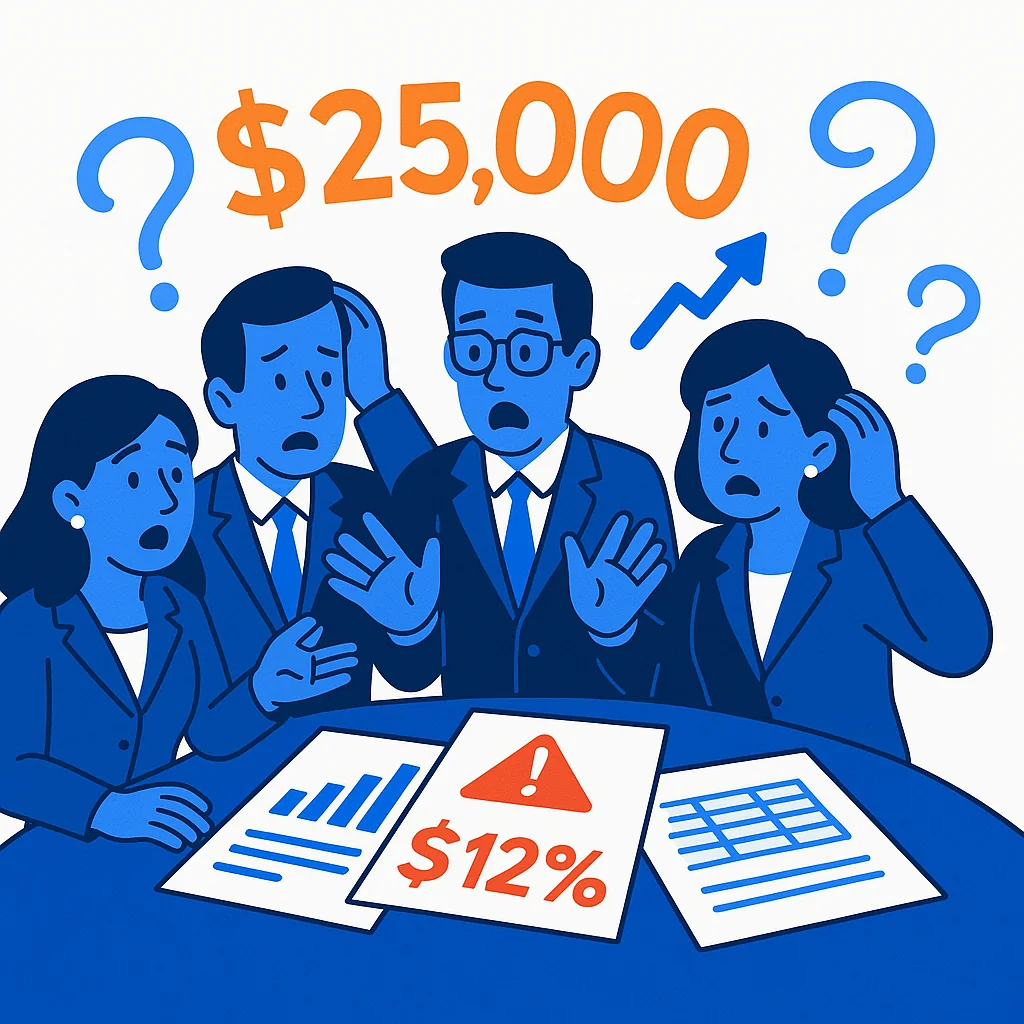
Part 4 of 4: Why the Traditional Audit-Fix-Reaudit Cycle Keeps CFOs Awake at Night I was on an initial sales…...
 October 10 11 min read
I was on a call last month with a marketing director who perfectly captured something I encounter almost weekly. “We’ve…...
 October 03 12 min read
I got an email last week that made me both laugh and cringe at the same time. A procurement manager…...
 September 26 12 min read
Part 1 of 4: Why Getting Everyone on the Same Page About Digital Accessibility Feels Like Herding Cats Series Introduction:…...
September 15 11 min read
With just 7 months until April 2026, it’s time for an honest assessment—and smarter decisions about your path forward. As…...
July 31 9 min read
Why We Recommend Managed Accessibility Ops Over Traditional Audits When potential clients reach out to Accessiblü, most ask for the…...
 July 22 11 min read
When compliance costs meet fiscal reality: Navigating the undue burden provision with confidence and clarity Disclaimer: This article provides general…...
 June 23 12 min read
Let’s be honest—diving into WCAG (Web Content Accessibility Guidelines) can feel like trying to read a technical manual written by…...
June 09 11 min read
If you’ve ever tried to dive into WCAG (Web Content Accessibility Guidelines), you might have felt like you were…...
May 28 16 min read
Ensuring that the technology your organization purchases is accessible to all users isn’t just a nice-to-have—it’s essential. But if you’re…...
May 20 8 min read
In 2025, accessibility isn’t just a moral imperative—it’s a legal necessity. As businesses expand their online presence, the risk of…...
 April 28 12 min read
In today’s digital landscape, accessibility isn’t just a nice-to-have—it’s increasingly becoming a business imperative. If you’re a CEO, CTO, or…...
March 23 5 min read
In the digital age, where customer satisfaction and brand loyalty drive success, ensuring your digital assets are accessible is not…...
March 04 20 min read
This is a challenging time for public entities. The Department of Justice’s new rule under Title II of the ADA…...
 February 25 7 min read
In recent months, federal actions and political movements have sought to dismantle or discourage Diversity, Equity, and Inclusion (DEI) initiatives…...
 February 06 5 min read
Compliance, Deadlines, and What Businesses Need to Do Now The European Accessibility Act (EAA) is a game-changer for businesses operating…...
January 27 6 min read
We at Accessiblü strive to keep our political views private. However, I did feel the need to address the elephant…...
 December 13 6 min read
Exciting news in the world of digital accessibility! We’re finally getting some juicy details about WCAG 3.0 – the next…...
 November 21 6 min read
In today’s digital-first landscape, accessibility is not just a compliance checkbox—it is a sound business strategy. Companies that prioritize digital…...
 September 30 10 min read
Digital accessibility is a critical challenge for many organizations. As an executive, you may be grappling with the complexities of…...
 September 23 7 min read
In today’s digital age, web accessibility has emerged as a crucial element for ensuring that individuals of all abilities can…...
 September 19 11 min read
Digital accessibility is a complex challenge. Businesses often struggle to know where to start, lacking a clear understanding of how…...
 September 16 9 min read
As the digital space continues to play a crucial role in modern political campaigns, accessibility remains a key concern that…...
September 05 8 min read
Digital accessibility presents a significant challenge for company executives. Many leaders mistakenly view it as a simple fix or an…...
 August 28 9 min read
In today’s digital-first world, ensuring your website, desktop applications, and mobile apps are accessible is not just a matter of…...
 August 28 5 min read
Are you responsible for ensuring digital accessibility on your company’s website, app, or digital assets? Then you know that in…...
 July 01 9 min read
In the realm of web accessibility, automated accessibility tools are often hailed as a panacea, promising comprehensive evaluations with the…...
 May 03 11 min read
In 2021, Colorado enacted HB 21, a trailblazing law that mandates stringent accessibility standards for all state and local government…...
April 10 10 min read
In a significant move towards inclusivity, the Department of Justice (DOJ) recently issued a final rule under Title II of…...
 March 15 12 min read
Knowing what to ask for in an accessibility contract or Request For Proposal (RFP) will help ensure that you get…...
December 01 10 min read
In today’s digital landscape, web accessibility is essential to ensuring equal access and inclusion for all users. Accessibility overlays have…...
 September 18 15 min read
Accessibility is a fundamental aspect that all website owners and developers should consider. Understanding how people with disabilities navigate the…...
 September 01 10 min read
There’s been a buzz about the new WCAG 2.2 update for over a year now. After a series of delays,…...
 July 19 6 min read
The digital landscape is constantly evolving, and with it comes the need for inclusive and accessible online experiences. California has…...
 July 13 5 min read
If you own or operate a website used by the US federal government, you need to ensure it’s accessible to…...
 June 09 10 min read
Ensuring web accessibility is crucial for creating inclusive digital experiences that enable people with diverse abilities to access and interact…...
 May 25 10 min read
On May 19, 2023, the Department of Education (DOE) and the Department of Justice (DOJ) issued a “Dear Colleague Letter”…...
 April 14 11 min read
Mention “accessibility” in any conversation about websites or digital media; you might get a wide array of responses. Depending on…...
 August 19 9 min read
Digital Overlays are not accessible, and are not ADA compliant. Good web design from the beginning or an accessibility audit…...
August 12 9 min read
Digital Overlays are not accessible, and are not ADA compliant. Good web design from the beginning or an accessibility audit…...
 May 16 5 min read
Global Accessibility Awareness Day (GAAD) is every third Thursday in May – this year it is May 19, 2022 On…...
 December 06 5 min read
We hear this question from businesses of all sizes, and often wonder why they ask, because the law is so…...