

The Top 5 Legal Risks of Digital Inaccessibility for Executives

Jeffrey Rodgers
September 05 8 min read Image Caption
Digital accessibility presents a significant challenge for company executives. Many leaders mistakenly view it as a simple fix or an expensive investment with poor returns. This misconception leaves businesses vulnerable to legal and reputational risks.
The complexity of digital accessibility often overwhelms executive teams. They struggle to understand which laws apply to their websites and digital assets, and strategies for implementing accessibility measures across an organization remain unclear. This lack of clarity extends beyond customer-facing platforms to internal systems used by employees, compounding the potential for legal exposure.
As the digital landscape evolves, so do the legal implications of inaccessibility. Executives must recognize that accessibility is not just a compliance checkbox but a fundamental aspect of inclusive business practices. Understanding the top legal risks associated with digital inaccessibility is crucial for protecting your company. Let’s explore the first major risk: lawsuits under the Americans with Disabilities Act (ADA).
Don’t forget to download our free Accessiblü guide on ADA Laws for Businesses
Risk 1: ADA Lawsuits and Legal Compliance
The Americans with Disabilities Act (ADA) isn’t just about physical accessibility—it’s a digital imperative. The Department of Justice has clarified that websites and mobile apps fall under ADA jurisdiction, raising the stakes for businesses of all sizes.
Consider this scenario: A national retailer faces a class-action lawsuit because screen reader users can’t navigate their website. Or picture a local government sued over inaccessible online services. These aren’t hypothetical situations—they’re happening right now.
To shield your organization from such legal perils, consider these strategies:
- Appoint a Chief Accessibility Officer or designate an executive sponsor to champion compliance efforts.
- Conduct regular accessibility audits, combining automated tools with manual testing by users with disabilities.
- Integrate accessibility into your digital strategy from the ground up, ensuring all teams—from design to content creation—are aligned with accessibility goals.
Remember, accessibility isn’t a one-time fix. It’s an ongoing commitment that requires executive oversight and company-wide dedication. By prioritizing accessibility at the highest levels of your organization, you’re not just avoiding lawsuits—you’re opening doors to a broader audience and demonstrating corporate responsibility.
Risk 2: Section 508 Non-Compliance and Federal Contracts
While ADA compliance is crucial, it’s not the only legal minefield in the digital accessibility landscape. Enter Section 508 of the Rehabilitation Act—a regulation that extends its reach beyond government agencies to private companies doing business with them.
Section 508 mandates that all electronic and information technology (EIT) used by federal agencies must be accessible to individuals with disabilities. This includes software, websites, and digital platforms provided by contractors. The stakes? Lucrative government contracts and potential legal challenges.
Picture this: A software provider loses a multi-million-dollar federal contract because their product fails to meet Section 508 standards. Or consider a government contractor facing legal action after delivering an inaccessible online platform to a federal agency. These scenarios are not just hypothetical—they’re very real risks for businesses in the federal sector.
To safeguard your company from these pitfalls, consider implementing these strategies:
- Develop accurate Voluntary Product Accessibility Templates (VPATs) for all products and services provided to federal agencies.
- Invest in comprehensive Section 508 compliance training for all teams designing, developing, and delivering digital products.
- Forge strategic partnerships with accessibility experts who can provide ongoing support and ensure your products comply with evolving standards.
Remember, Section 508 compliance isn’t just about ticking boxes—it’s about opening doors to substantial business opportunities while fostering inclusive digital environments. By prioritizing accessibility in your federal contracting efforts, you’re not just avoiding legal risks but positioning your company as a leader in inclusive technology.
Risk 3: State-Level Legal Actions and Jurisdictional Variability
While federal laws set the baseline for digital accessibility, the legal landscape becomes even more complex when you factor in state-specific regulations. Each state has the power to enact its own accessibility laws, often more stringent than federal standards. This patchwork of regulations creates a minefield for businesses operating across multiple jurisdictions.
Take California’s Unruh Civil Rights Act, for instance. It packs a punch with statutory damages for non-compliance, raising the stakes for businesses in the Golden State. But California isn’t alone – New York and other states have their own robust accessibility requirements.
Link to StubHub Class Action Lawsuit article
This jurisdictional variability poses significant challenges:
- A California-based e-commerce platform might face multiple lawsuits under the Unruh Act, resulting in hefty statutory damages.
- A company with a national presence could struggle to maintain consistent user experiences while complying with differing state requirements.
To navigate this complex legal terrain, consider these strategies:
- Conduct comprehensive legal reviews regularly to stay informed about accessibility requirements in all states where you operate.
- Adopt WCAG 2.2 AA as your universal standard. This approach ensures you meet (and often exceed) compliance across all jurisdictions.
- Provide tailored training to your legal and compliance teams on state-specific accessibility laws.
Remember, proactivity is key. Don’t wait for a lawsuit to start taking state-level accessibility seriously. By staying ahead of the curve, you’re not just mitigating legal risks – you’re opening your digital doors to a wider nationwide audience.
Risk 4: Reputational Damage and Loss of Consumer Trust
Your digital presence is often the first impression you make. When that presence isn’t accessible, you’re not just risking legal action—you’re putting your reputation on the line.
Imagine this: A viral social media campaign highlighting your website’s inaccessibility leads to a significant drop in sales. Or an investigative report uncovers widespread accessibility issues across your digital platforms, creating a PR nightmare. These scenarios aren’t just hypothetical—they’re very real risks in our increasingly inclusive society.
Consumers expect more than just products or services; they demand inclusivity and social responsibility. When businesses fail to provide accessible digital experiences, they risk more than just losing potential customers with disabilities. They face backlash from a broader public that values and supports inclusive practices.
The Ripple Effect of Inaccessibility
- Negative publicity can spread like wildfire across social media platforms
- Consumer boycotts can lead to significant revenue losses
- Damage to brand image can have long-lasting impacts on customer loyalty
So, how can you shield your brand from these reputational risks? Consider these proactive strategies:
- Publicly commit to digital accessibility through an official statement on your website
- Regularly update stakeholders on your accessibility efforts and progress
- Actively engage with disability rights organizations for feedback and collaboration
- Develop a crisis management plan specifically for addressing accessibility-related issues
Remember, in the court of public opinion, actions speak louder than words. By prioritizing accessibility, you’re not just protecting your reputation—you’re building a brand that truly resonates with all consumers.
Think it can’t happen to you? Dunkin, Marriott, Ring, and Ralph Lauren are just some of the more prominent names that have had lawsuits against them in 2024.
Top Disability Class Action Lawsuits
Risk 5: Increased Litigation from Advocacy Groups
The landscape of digital accessibility is rapidly evolving, and advocacy groups are at the forefront of this change. These organizations are no longer waiting for businesses to catch up—they’re taking proactive legal action to ensure digital equality.
Disability rights organizations increasingly initiate class-action lawsuits or partner with individuals to file high-profile cases. The financial and reputational impact of such litigation can be severe, especially if it leads to a publicized settlement or court ruling.
Consider these scenarios:
- A national restaurant chain faces a lawsuit from an advocacy group over an inaccessible online ordering system, resulting in a costly settlement and mandated changes.
- A prominent financial services company becomes entangled in a class-action lawsuit for failing to provide accessible online banking services, leading to widespread negative media coverage.
To mitigate these risks, consider implementing the following strategies:
- Conduct regular third-party accessibility audits of your digital platforms. These assessments should be comprehensive and include input from users with disabilities.
- As part of your broader risk management strategy, work with legal experts to assess the potential risks of litigation related to digital inaccessibility.
- Take a collaborative approach by proactively engaging with advocacy groups. Understanding their concerns and working together to improve accessibility can help you avoid litigation and demonstrate your commitment to inclusivity.
Remember, these organizations aren’t out to get you—they’re pushing for a more inclusive digital world. By embracing their mission and working proactively to improve accessibility, you can turn potential adversaries into powerful allies in your journey toward digital inclusion.
CaseText Listing for WCAG/ADA Lawsuits
Embracing Accessibility as a Business Imperative
The digital world is evolving, and with it, the expectations for inclusivity. Accessibility isn’t just a checkbox on your compliance list—it’s a powerful tool for growth and innovation. By prioritizing accessibility, you’re not only mitigating legal risks but also tapping into a vast market of users who appreciate and seek out inclusive digital experiences.
Remember, accessibility benefits everyone. From improved SEO to enhanced usability for all users, the ripple effects of an accessible digital presence extend far beyond compliance. It’s time to shift your perspective: view accessibility not as an expense but as an investment in your company’s future. By integrating accessibility into your core business strategy, you’re fostering innovation, expanding your customer base, and building a more resilient organization.
As you navigate the complex waters of digital accessibility, don’t hesitate to seek expert guidance. Consult with legal professionals to understand your business’s specific compliance requirements. Engage with accessibility specialists to develop a comprehensive, long-term strategy. By taking proactive steps today, you’re not just avoiding potential pitfalls—you’re positioning your company as a leader in the inclusive digital revolution of tomorrow.
 September 29 7 min read
I wrote about WCAG 3.0 in December 2024, when it still felt more like a rumor than a real document.…...
 September 03 11 min read
The idea for these two books didn’t come from a whiteboard session. It came from hearing the same question over…...
 June 02 9 min read
Most colleges, county governments, and state agencies breathed a sigh of relief when the DOJ extended the ADA Title…...
 April 20 9 min read
If you’ve been scrambling to meet the April 24, 2026, ADA Title II compliance deadline for web and mobile app…...
April 06 14 min read
We’re in April 2026, and the DOJ ADA Title II Rule deadline of April 24 is upon us. I’m still…...
February 17 12 min read
Over the past two months, I’ve had dozens of conversations with state agencies, county governments, and public entities who are…...
 February 04 11 min read
I think it’s about time that someone writes this blog. As an accessibility company, you may think we benefit from…...
November 25 11 min read
If you thought navigating ADA website compliance was challenging before, there’s a new wrinkle that’s making things even more complicated.…...
October 28 9 min read
Hi there — if you’re reading this, chances are you’re a C-Suite leader or a web/digital manager who cares about…...
 October 22 10 min read
If you think accessibility compliance testing means running a quick automated scan and checking your site with one screen reader,…...
 October 17 12 min read
Part 4 of 4: Why the Traditional Audit-Fix-Reaudit Cycle Keeps CFOs Awake at Night I was on an initial sales…...
 October 10 11 min read
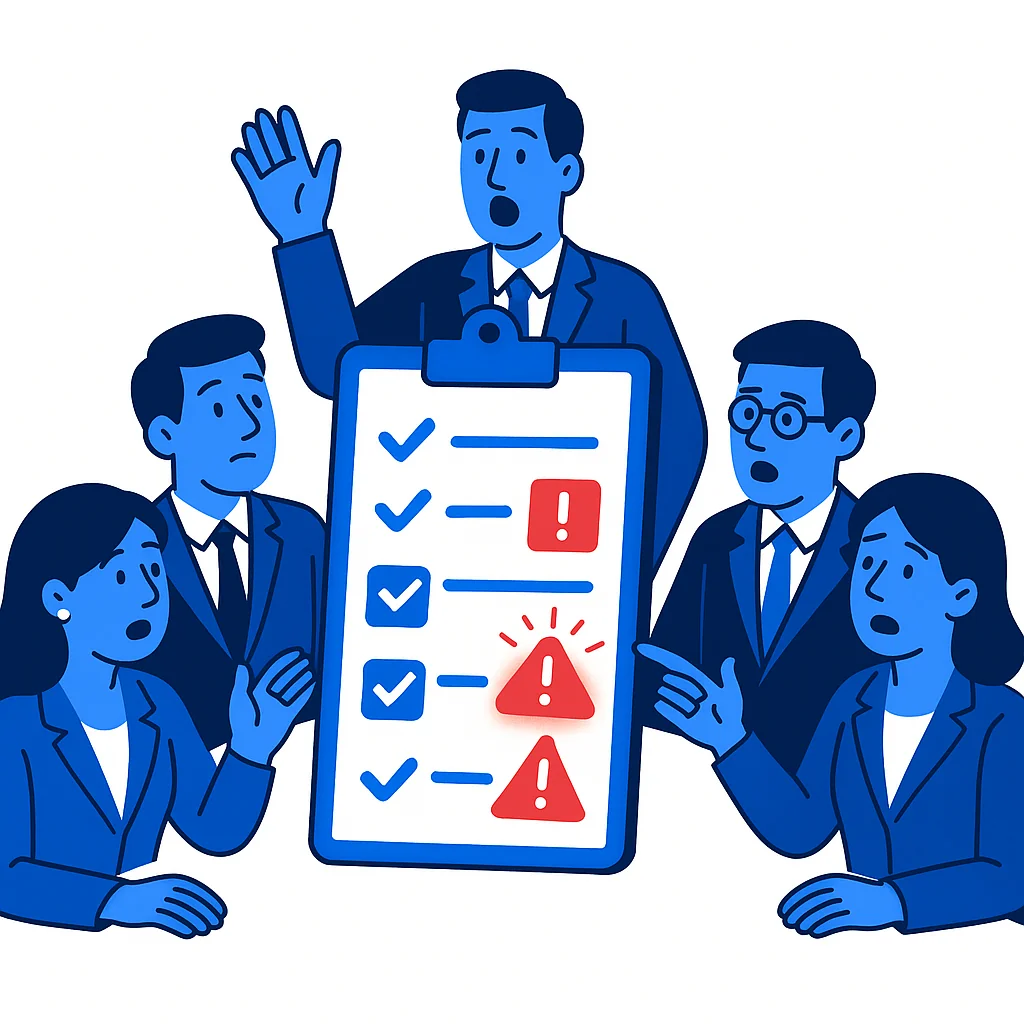
I was on a call last month with a marketing director who perfectly captured something I encounter almost weekly. “We’ve…...
 October 03 12 min read
I got an email last week that made me both laugh and cringe at the same time. A procurement manager…...
 September 26 12 min read
Part 1 of 4: Why Getting Everyone on the Same Page About Digital Accessibility Feels Like Herding Cats Series Introduction:…...
September 15 11 min read
With just 7 months until April 2026, it’s time for an honest assessment—and smarter decisions about your path forward. As…...
 August 19 10 min read
It’s time someone has an honest conversation about VPATs. If you’re a business leader who’s been told you need a…...
 August 06 11 min read
How the traditional audit-first approach keeps businesses stuck in an expensive cycle of non-compliance—and what actually works instead. If you’re…...
July 31 9 min read
Why We Recommend Managed Accessibility Ops Over Traditional Audits When potential clients reach out to Accessiblü, most ask for the…...
 July 22 11 min read
When compliance costs meet fiscal reality: Navigating the undue burden provision with confidence and clarity Disclaimer: This article provides general…...
 June 23 12 min read
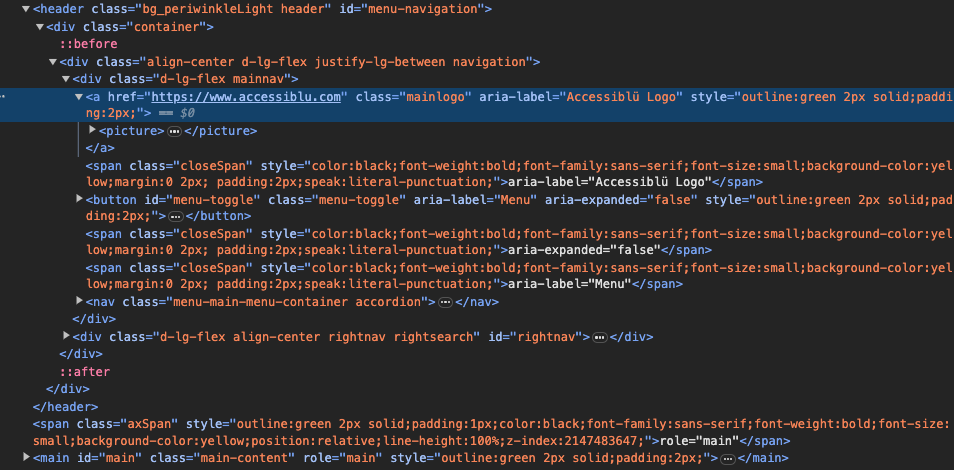
Let’s be honest—diving into WCAG (Web Content Accessibility Guidelines) can feel like trying to read a technical manual written by…...
June 09 11 min read
If you’ve ever tried to dive into WCAG (Web Content Accessibility Guidelines), you might have felt like you were…...
May 28 16 min read
Ensuring that the technology your organization purchases is accessible to all users isn’t just a nice-to-have—it’s essential. But if you’re…...
May 20 8 min read
In 2025, accessibility isn’t just a moral imperative—it’s a legal necessity. As businesses expand their online presence, the risk of…...
 April 28 12 min read
In today’s digital landscape, accessibility isn’t just a nice-to-have—it’s increasingly becoming a business imperative. If you’re a CEO, CTO, or…...
April 03 11 min read
In my years leading digital accessibility initiatives, I’ve witnessed a recurring pattern: organizations invest heavily in accessibility audits, only to…...
March 23 5 min read
In the digital age, where customer satisfaction and brand loyalty drive success, ensuring your digital assets are accessible is not…...
March 04 20 min read
This is a challenging time for public entities. The Department of Justice’s new rule under Title II of the ADA…...
 February 25 7 min read
In recent months, federal actions and political movements have sought to dismantle or discourage Diversity, Equity, and Inclusion (DEI) initiatives…...
February 11 8 min read
ADA Title II: Understanding the New DOJ Rule: What State & Local Leaders and Businesses Need to Know What the…...
 February 06 5 min read
Compliance, Deadlines, and What Businesses Need to Do Now The European Accessibility Act (EAA) is a game-changer for businesses operating…...
January 27 6 min read
We at Accessiblü strive to keep our political views private. However, I did feel the need to address the elephant…...
 December 13 6 min read
Exciting news in the world of digital accessibility! We’re finally getting some juicy details about WCAG 3.0 – the next…...
 November 21 6 min read
In today’s digital-first landscape, accessibility is not just a compliance checkbox—it is a sound business strategy. Companies that prioritize digital…...
 September 30 10 min read
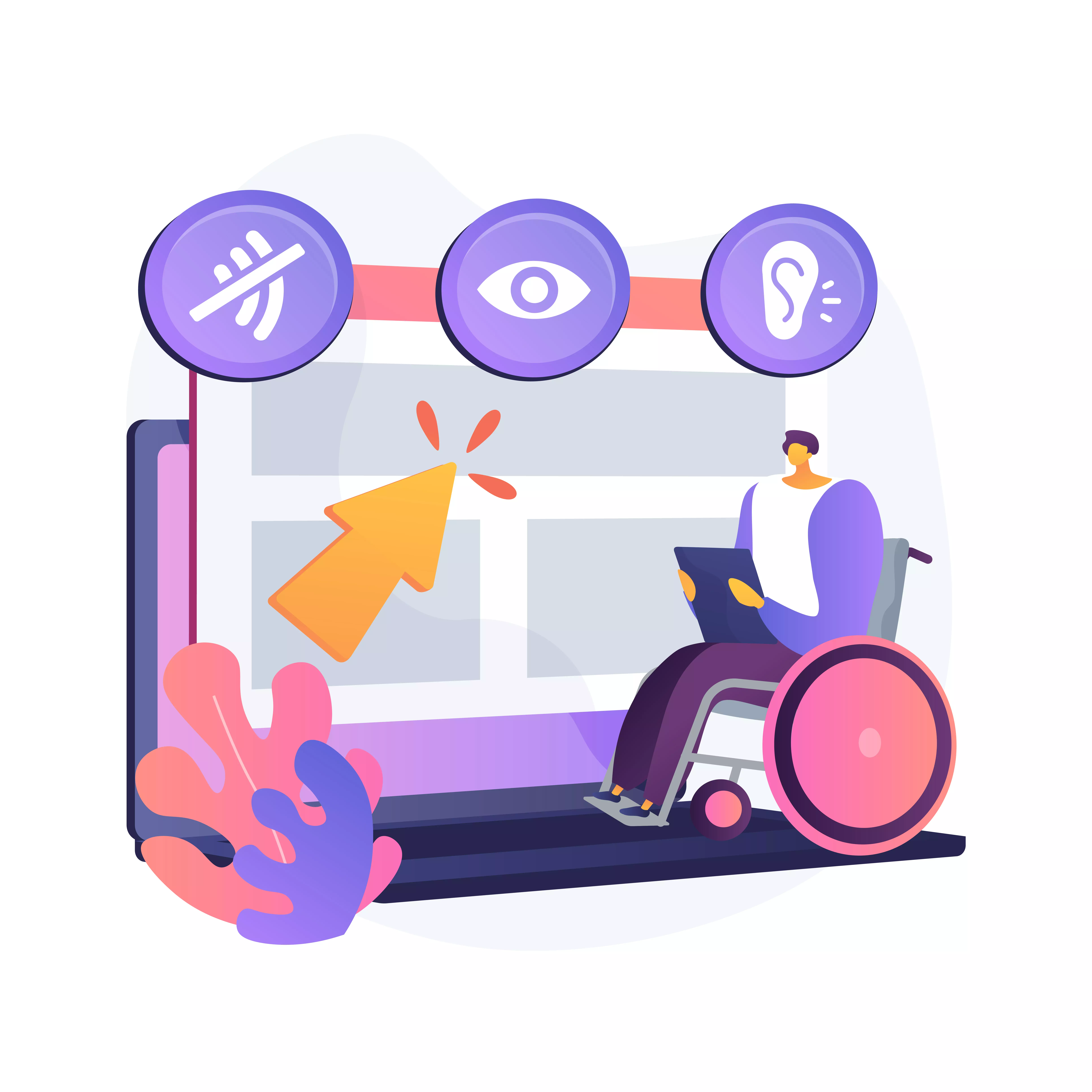
Digital accessibility is a critical challenge for many organizations. As an executive, you may be grappling with the complexities of…...
 September 23 7 min read
In today’s digital age, web accessibility has emerged as a crucial element for ensuring that individuals of all abilities can…...
 September 19 11 min read
Digital accessibility is a complex challenge. Businesses often struggle to know where to start, lacking a clear understanding of how…...
 September 16 9 min read
As the digital space continues to play a crucial role in modern political campaigns, accessibility remains a key concern that…...
 August 28 9 min read
In today’s digital-first world, ensuring your website, desktop applications, and mobile apps are accessible is not just a matter of…...
 August 28 5 min read
Are you responsible for ensuring digital accessibility on your company’s website, app, or digital assets? Then you know that in…...
July 01 9 min read
In the realm of web accessibility, automated accessibility tools are often hailed as a panacea, promising comprehensive evaluations with the…...
July 01 9 min read
Ensuring digital accessibility is a crucial responsibility, yet interpreting and addressing the findings from accessibility audits can pose significant challenges…...
 June 28 7 min read
In today’s interconnected world, mobile applications serve as gateways to information, services, and experiences for diverse audiences. However, ensuring these…...
April 10 10 min read
In a significant move towards inclusivity, the Department of Justice (DOJ) recently issued a final rule under Title II of…...
March 15 12 min read
Knowing what to ask for in an accessibility contract or Request For Proposal (RFP) will help ensure that you get…...
December 11 10 min read
As businesses increasingly recognize the importance of creating inclusive digital experiences, there is a growing demand for manual accessibility audits.…...
December 01 10 min read
In today’s digital landscape, web accessibility is essential to ensuring equal access and inclusion for all users. Accessibility overlays have…...
November 07 11 min read
When it comes to evaluating the accessibility of your website or app, understanding which type of audit report is best…...
 September 18 15 min read
Accessibility is a fundamental aspect that all website owners and developers should consider. Understanding how people with disabilities navigate the…...
 September 01 10 min read
There’s been a buzz about the new WCAG 2.2 update for over a year now. After a series of delays,…...
 July 19 6 min read
The digital landscape is constantly evolving, and with it comes the need for inclusive and accessible online experiences. California has…...
 July 13 5 min read
If you own or operate a website used by the US federal government, you need to ensure it’s accessible to…...
June 09 10 min read
Ensuring web accessibility is crucial for creating inclusive digital experiences that enable people with diverse abilities to access and interact…...
 May 25 10 min read
On May 19, 2023, the Department of Education (DOE) and the Department of Justice (DOJ) issued a “Dear Colleague Letter”…...
 April 14 11 min read
Mention “accessibility” in any conversation about websites or digital media; you might get a wide array of responses. Depending on…...
 October 31 11 min read
Over the years of working with businesses on accessibility conformance, we’ve seen the same mistakes made over and over again.…...

 August 19 9 min read
Digital Overlays are not accessible, and are not ADA compliant. Good web design from the beginning or an accessibility audit…...
August 12 9 min read
Digital Overlays are not accessible, and are not ADA compliant. Good web design from the beginning or an accessibility audit…...
 May 16 5 min read
Global Accessibility Awareness Day (GAAD) is every third Thursday in May – this year it is May 19, 2022 On…...
 December 06 5 min read
We hear this question from businesses of all sizes, and often wonder why they ask, because the law is so…...
 October 15 5 min read
Website ADA audits are typically the initial offering from the accessibility industry; they promise to find all of the accessibility…...
 September 03 5 min read
TLDR: Ask your accountant about the Disabled Access Credit. You can claim 50% of what you spend on web accessibility…...