

Accessibility Audits vs. Testing. Which Do You Need?

Jeffrey Rodgers
April 18 4 min read Image Caption
Accessiblü Insight: Audits vs. Testing
This Ablü Insight focuses on the differences between accessibility audits and testing.
Clients are often confused between the two terms. Sometimes the words “audit” and “testing” are used interchangeably. However, to us at Accessiblü, they are two different approaches that provide two distinct benefits for our clients.
The goal of this insight is to help you understand the benefits of each approach. That way, you can make the right choice when it comes to your business.
Understanding the Differences Between Accessibility Audits and Testing
In the realm of digital accessibility, two primary methods ensure that websites and applications are usable by everyone, including those with disabilities: accessibility testing and accessibility audits. Both play crucial roles in enhancing user experience but serve different purposes and use varied approaches.
What is Accessibility Testing?
Accessibility Testing primarily involves manual assessments by real users, including those who rely on assistive technologies such as screen readers, Braille terminals, and alternative input devices. This method emphasizes real-world usability over theoretical compliance.
Testers navigate the site or application to identify issues that may not be evident through automated tools alone. They focus on how effectively a person with disabilities can use the platform, aiming to uncover practical barriers that might not breach WCAG criteria yet still hinder accessibility.
What is an Accessibility Audit?
Contrastingly, an Accessibility Audit systematically examines whether a site or application adheres to specific standards, such as the WCAG guidelines.
Audits typically involve a combination of automated testing tools and expert evaluations but less hands-on feedback from users with disabilities. The goal here is to ensure that every element of the website conforms to the established criteria, documenting compliance and highlighting areas needing improvement in a formal report.
At Accessiblü, we take a more holistic approach to audits. We utilize a combination of automated scanning and tools with manual techniques. This allows us to incorporate some aspects of testing to help verify a criteria is in fact met. It also helps us eliminate false positives!
Benefits of Accessibility Testing
The chief advantage of accessibility testing lies in its user-centered approach. It provides direct insights into the navigational and interactive experiences of users with disabilities.
Organizations benefit from understanding specific obstacles encountered by these users, leading to more targeted and effective enhancements. Testing helps ensure that a site does not just meet standards on paper but is genuinely usable for all people.
Benefits of Accessibility Audits
Accessibility audits offer a comprehensive overview of a site’s adherence to accessibility standards. They are essential for organizations needing to prove compliance with legal requirements or industry standards.
Audits provide a structured, detailed assessment that can guide long-term development and accessibility strategies. They help prioritize fixes and improve accessibility from a technical standpoint.
Choosing Between Testing and Audits
The decision between conducting accessibility testing or an audit depends on an organization’s specific needs. If the goal is to meet legal requirements or ensure technical compliance with standards like the WCAG, an audit is appropriate.
However, if the focus is on practical user experience and directly addressing the needs of users with disabilities, testing becomes more crucial.
Implementing Testing and Audits
Implementing both testing and audits involves a mix of tools and expert analysis. Testing requires assembling a diverse group of users with disabilities to interact with the site, while audits utilize automated scanning tools and detailed checklists based on the WCAG guidelines.
To help our clients decide which is best for them, we ask them these questions:
- Do you want to identify issues, or identify and fix the issues?
- Is usability important at this point?
- Is providing evidence of conformance a need right now?
- Do you just need to know where you are on the accessibility scale?
If usability and remediating issues is your priority, then testing is what you need. If you’ve already identified and fixed issues, then it’s time for an audit.
Yes, you can also have both. Some clients prefer to combine a high-level audit with testing to establish an accessibility baseline. This approach provides valuable data to help you make a more informed decision. Especially when time and money are a factor!
Conclusion
While a website might meet all the required WCAG criteria, it could still present usability challenges only identified through thorough accessibility testing. Organizations should consider blending both methods to achieve a truly accessible website, combining the thoroughness of an audit with the user-focused insights of testing.
Have more questions? Contact an Accessiblü expert today!
 August 06 11 min read
How the traditional audit-first approach keeps businesses stuck in an expensive cycle of non-compliance—and what actually works instead. If you’re…...
July 31 9 min read
Why We Recommend Managed Accessibility Ops Over Traditional Audits When potential clients reach out to Accessiblü, most ask for the…...
April 03 11 min read
In my years leading digital accessibility initiatives, I’ve witnessed a recurring pattern: organizations invest heavily in accessibility audits, only to…...
 September 19 11 min read
Digital accessibility is a complex challenge. Businesses often struggle to know where to start, lacking a clear understanding of how…...
 August 28 9 min read
In today’s digital-first world, ensuring your website, desktop applications, and mobile apps are accessible is not just a matter of…...
 August 28 5 min read
Are you responsible for ensuring digital accessibility on your company’s website, app, or digital assets? Then you know that in…...
July 01 9 min read
Ensuring digital accessibility is a crucial responsibility, yet interpreting and addressing the findings from accessibility audits can pose significant challenges…...
 June 28 7 min read
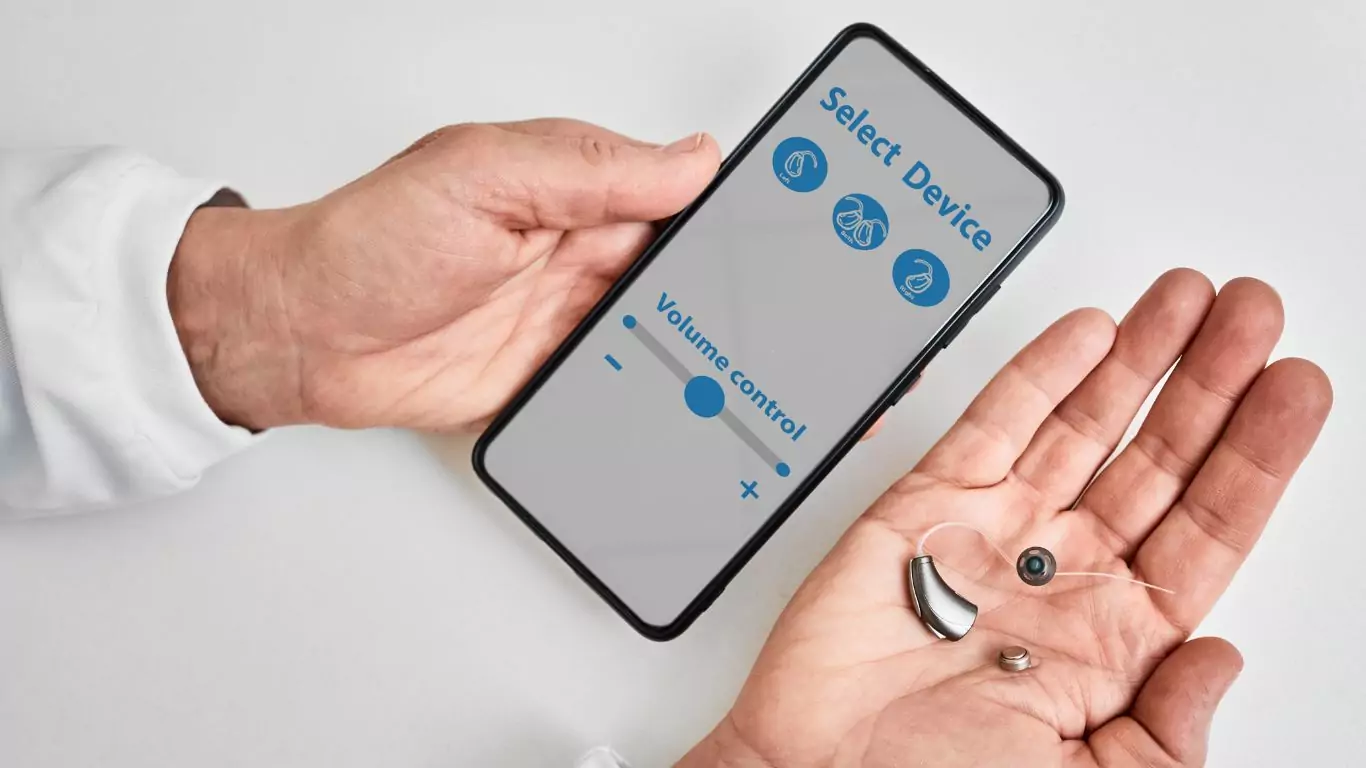
In today’s interconnected world, mobile applications serve as gateways to information, services, and experiences for diverse audiences. However, ensuring these…...
March 15 12 min read
Knowing what to ask for in an accessibility contract or Request For Proposal (RFP) will help ensure that you get…...
 December 20 14 min read
Looking to improve your website’s accessibility in 2024? Don’t worry; our digital accessibility plan has you covered! Entering a new…...
December 11 10 min read
As businesses increasingly recognize the importance of creating inclusive digital experiences, there is a growing demand for manual accessibility audits.…...
 November 07 11 min read
When it comes to evaluating the accessibility of your website or app, understanding which type of audit report is best…...
June 29 14 min read
Businesses ready to make accessibility a priority often encounter a barrier of their own, determining the cost of a website…...
 June 09 10 min read
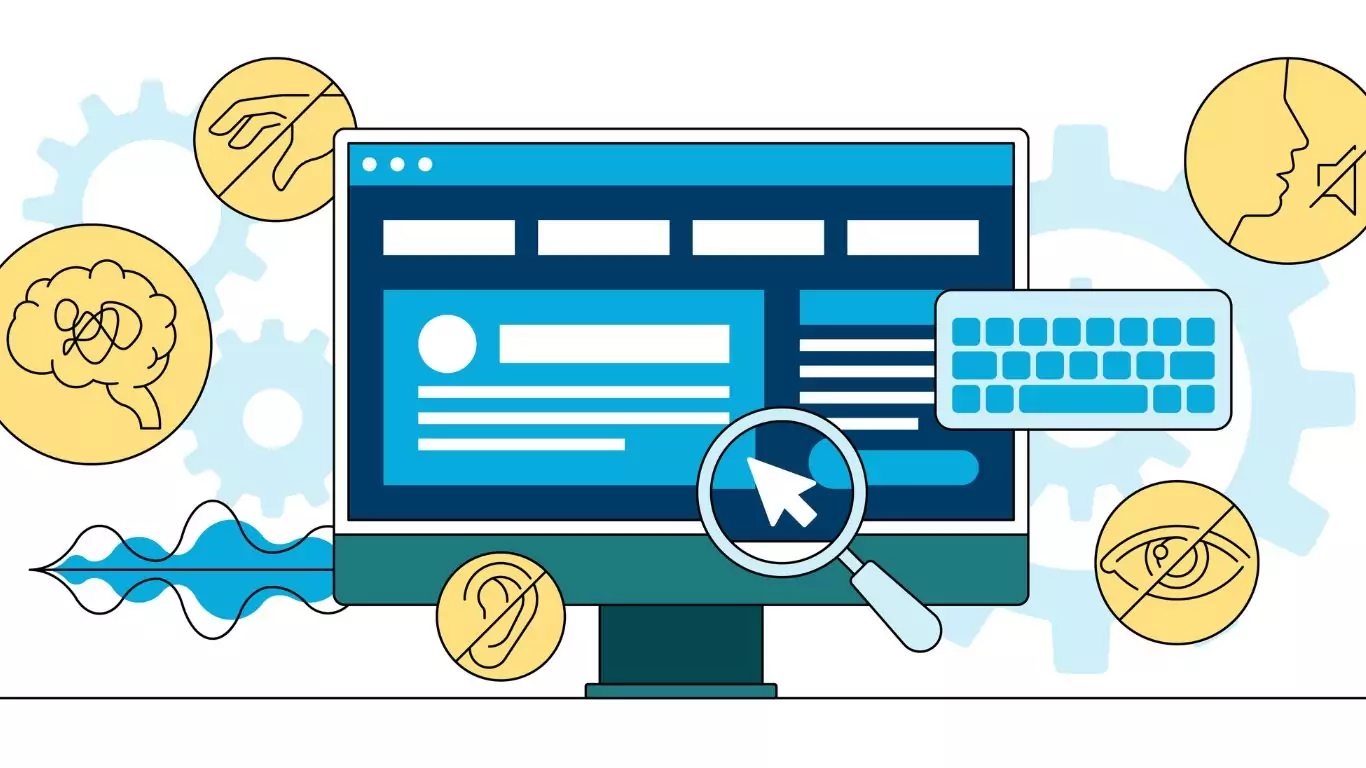
Ensuring web accessibility is crucial for creating inclusive digital experiences that enable people with diverse abilities to access and interact…...
 August 19 9 min read
Digital Overlays are not accessible, and are not ADA compliant. Good web design from the beginning or an accessibility audit…...
August 12 9 min read
Digital Overlays are not accessible, and are not ADA compliant. Good web design from the beginning or an accessibility audit…...