

From Audit to Action: Elevating Your Digital Accessibility

Jeffrey Rodgers
August 28 5 min read Image Caption
Are you responsible for ensuring digital accessibility on your company’s website, app, or digital assets? Then you know that in today’s digital landscape, accessibility is not just a legal requirement but a business imperative. As more regulations, like the Americans with Disabilities Act (ADA), evolve, you need to ensure your digital assets are accessible to all users.
Non-compliance can result in legal risks, reputation damage, and lost revenue opportunities. To mitigate these risks, it’s crucial to assess your organization’s digital accessibility maturity. This article will guide you through the process, helping you benchmark your accessibility practices against industry standards and best practices.
Why Digital Accessibility Matters
Digital accessibility ensures that all users, including those with disabilities, can access and interact with your digital content. This includes websites, mobile apps, and other digital platforms. Compliance with accessibility standards such as the Web Content Accessibility Guidelines (WCAG) is a legal obligation and a reflection of your commitment to inclusivity.
Failing to meet these standards can lead to:
- Legal consequences: Non-compliance with the ADA can result in lawsuits, fines, and penalties.
- Reputation damage: Being perceived as non-inclusive can harm your brand’s image.
- Lost opportunities: Inaccessible digital assets can alienate potential customers, resulting in lost sales and market share.
Understanding Digital Accessibility Maturity
Digital accessibility maturity refers to how well your organization incorporates accessibility into its digital products and processes. Assessing your maturity level helps identify gaps in your current practices and provides a roadmap for improvement.
Key Components of Accessibility Maturity Assessment
- Compliance Audit: Start by conducting a high-level accessibility audit of your digital assets. This audit should evaluate your website, apps, and digital content against WCAG standards, the ADA, and Section 508 requirements.
- Policy and Governance: Establish clear policies and governance structures for accessibility. This includes defining roles and responsibilities, setting accessibility goals, and ensuring continuous monitoring and reporting.
- Training and Awareness: Ensure that all stakeholders, including designers, developers, content creators, and project managers, understand accessibility requirements and best practices. Regular training sessions can keep your team updated on the latest accessibility standards.
- User Testing with Assistive Technologies: The ultimate test of accessibility is how well your digital assets work for users who rely on assistive technologies like screen readers, voice recognition software, and alternative input devices. Include these users in your testing processes to gain insights into real-world accessibility issues.
- Continuous Improvement: Digital accessibility is not a one-time project but an ongoing commitment. Regularly update your accessibility practices based on new regulations, user feedback, and technological advancements.
Want a guide to help get started? Check out our free Digital Accessibility Checklist.
Benchmarking Against Industry Standards
To understand where your organization stands in terms of digital accessibility, compare your practices with industry benchmarks. Consider the following:
- Accessibility Audits: Regularly conduct third-party audits to ensure your digital assets meet or exceed industry standards. External audits provide an unbiased view of your accessibility status and help identify areas for improvement.
- Accessibility Statements: Publish an accessibility statement on your website to communicate your commitment to inclusivity. This statement should outline your accessibility goals, the standards you follow, and the steps users can take to report accessibility issues.
- Feedback Mechanisms: Implement a system for users to provide feedback on accessibility issues. This can help you quickly identify and address problems, ensuring continuous improvement.
Legal Compliance and Risk Mitigation
To mitigate legal risks, it’s essential to stay compliant with the ADA, Section 508, and other relevant regulations. Here’s how:
- Understand the Legal Landscape: Familiarize yourself with the latest regulations and court rulings related to digital accessibility. The ADA, for example, applies to websites, mobile apps, and other digital platforms. Section 508 specifically mandates that federal agencies and contractors make their digital content accessible to people with disabilities.
- Proactive Compliance: Don’t wait for a lawsuit to address accessibility issues. Proactively audit your digital assets and make necessary adjustments to ensure compliance.
- Work with Accessibility Experts: Consider partnering with an accessibility consulting firm like Accessiblü, which offers managed accessibility operations, audits, and remediation services tailored to WCAG, ADA, and Section 508 requirements.
Practical Steps to Improve Digital Accessibility
- Conduct an Accessibility Audit:
- Identify compliance gaps using tools that test your website and apps against WCAG standards.
- Ensure any audit you conduct includes manual testing by actual screen reader users!
- Review the audit results and prioritize remediation efforts based on severity and impact.
- Establish an Accessibility Policy:
- Develop a policy that outlines your commitment to digital accessibility.
- Define roles, responsibilities, and accountability for maintaining accessibility.
- Implement Training Programs:
- Provide ongoing training to ensure your team understands accessibility principles and how to apply them.
- Focus on practical skills, such as writing accessible content, using ARIA landmarks, and ensuring keyboard navigation.
- Engage with Users:
- Include users with disabilities in your design, development, and testing processes to gain valuable insights.
- Use feedback to drive continuous improvement.
- Monitor and Update:
- Regularly review your digital assets for accessibility issues.
- Stay updated on changes to accessibility standards and best practices.
Conclusion
Assessing and improving your digital accessibility maturity is not just about legal compliance—it’s about building a more inclusive digital environment for all users. By understanding your current position, benchmarking against industry standards, and implementing best practices, you can reduce legal risks, enhance your brand reputation, and open your digital platforms to a broader audience.
Take the first step today by conducting an accessibility audit, which will set your organization on the path to full digital accessibility maturity.
For more information on how to achieve compliance with WCAG, the ADA, and Section 508, or to schedule an audit, consider reaching out to accessibility experts like Accessiblü, who can provide comprehensive support tailored to your needs.
Accessiblü Contact Form
 September 29 7 min read
I wrote about WCAG 3.0 in December 2024, when it still felt more like a rumor than a real document.…...
 October 22 10 min read
If you think accessibility compliance testing means running a quick automated scan and checking your site with one screen reader,…...
 October 03 12 min read
I got an email last week that made me both laugh and cringe at the same time. A procurement manager…...
 August 06 11 min read
How the traditional audit-first approach keeps businesses stuck in an expensive cycle of non-compliance—and what actually works instead. If you’re…...
 July 31 9 min read
Why We Recommend Managed Accessibility Ops Over Traditional Audits When potential clients reach out to Accessiblü, most ask for the…...
 June 23 12 min read
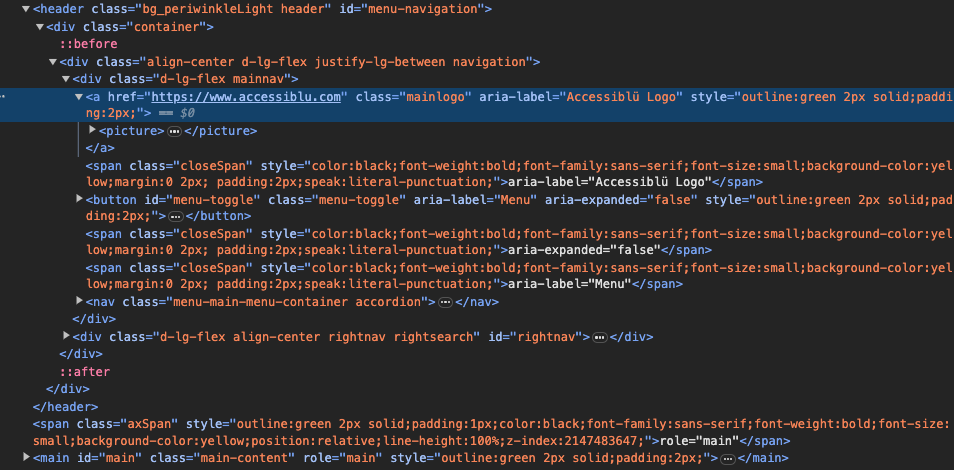
Let’s be honest—diving into WCAG (Web Content Accessibility Guidelines) can feel like trying to read a technical manual written by…...
June 09 11 min read
If you’ve ever tried to dive into WCAG (Web Content Accessibility Guidelines), you might have felt like you were…...
 April 28 12 min read
In today’s digital landscape, accessibility isn’t just a nice-to-have—it’s increasingly becoming a business imperative. If you’re a CEO, CTO, or…...
April 03 11 min read
In my years leading digital accessibility initiatives, I’ve witnessed a recurring pattern: organizations invest heavily in accessibility audits, only to…...
March 23 5 min read
In the digital age, where customer satisfaction and brand loyalty drive success, ensuring your digital assets are accessible is not…...
 February 11 8 min read
ADA Title II: Understanding the New DOJ Rule: What State & Local Leaders and Businesses Need to Know What the…...
 December 13 6 min read
Exciting news in the world of digital accessibility! We’re finally getting some juicy details about WCAG 3.0 – the next…...
 September 30 10 min read
Digital accessibility is a critical challenge for many organizations. As an executive, you may be grappling with the complexities of…...
 September 19 11 min read
Digital accessibility is a complex challenge. Businesses often struggle to know where to start, lacking a clear understanding of how…...
 September 16 9 min read
As the digital space continues to play a crucial role in modern political campaigns, accessibility remains a key concern that…...
 September 05 8 min read
Digital accessibility presents a significant challenge for company executives. Many leaders mistakenly view it as a simple fix or an…...
 August 28 9 min read
In today’s digital-first world, ensuring your website, desktop applications, and mobile apps are accessible is not just a matter of…...
July 01 9 min read
In the realm of web accessibility, automated accessibility tools are often hailed as a panacea, promising comprehensive evaluations with the…...
July 01 9 min read
Ensuring digital accessibility is a crucial responsibility, yet interpreting and addressing the findings from accessibility audits can pose significant challenges…...
 June 28 7 min read
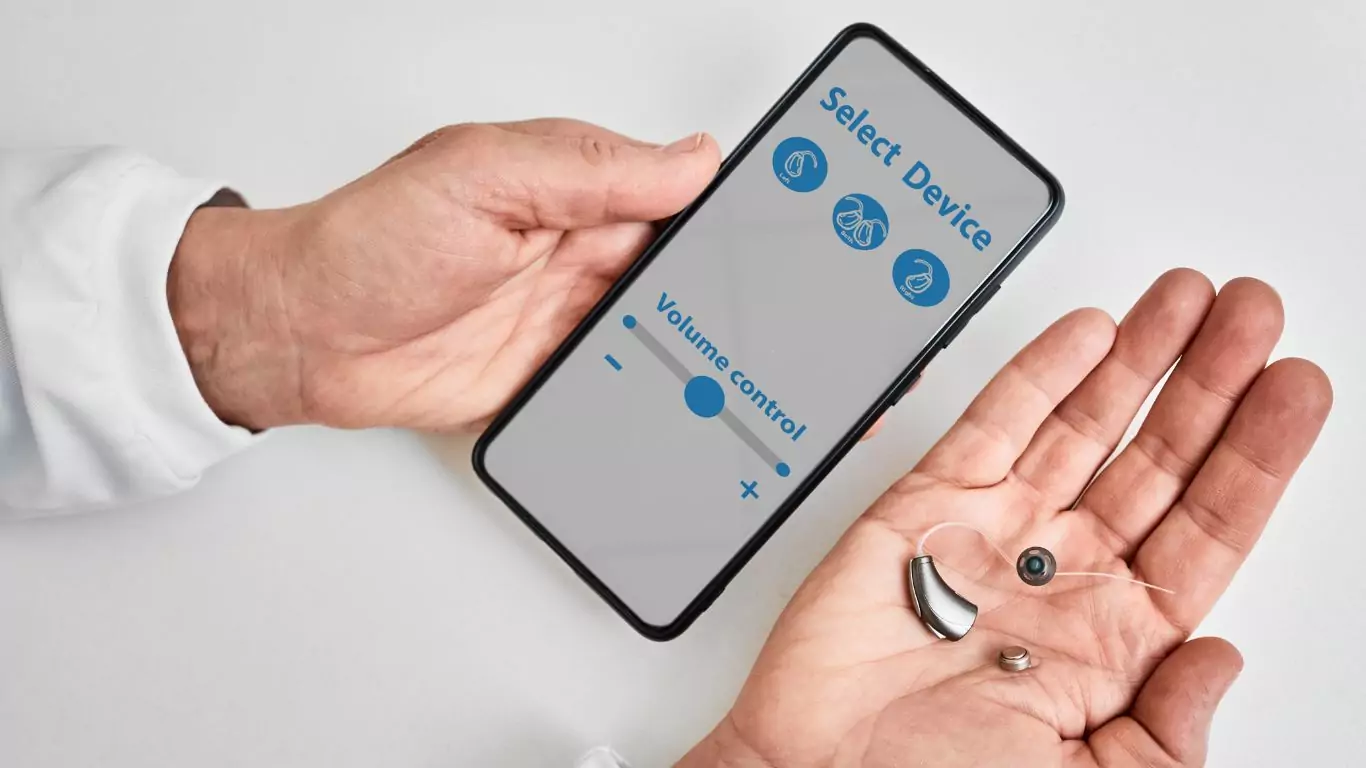
In today’s interconnected world, mobile applications serve as gateways to information, services, and experiences for diverse audiences. However, ensuring these…...
April 18 4 min read
Accessiblü Insight: Audits vs. Testing This Ablü Insight focuses on the differences between accessibility audits and testing. Clients are often…...
April 10 10 min read
In a significant move towards inclusivity, the Department of Justice (DOJ) recently issued a final rule under Title II of…...
March 15 12 min read
Knowing what to ask for in an accessibility contract or Request For Proposal (RFP) will help ensure that you get…...
 December 20 14 min read
Looking to improve your website’s accessibility in 2024? Don’t worry; our digital accessibility plan has you covered! Entering a new…...
December 11 10 min read
As businesses increasingly recognize the importance of creating inclusive digital experiences, there is a growing demand for manual accessibility audits.…...
December 01 10 min read
In today’s digital landscape, web accessibility is essential to ensuring equal access and inclusion for all users. Accessibility overlays have…...
November 07 11 min read
When it comes to evaluating the accessibility of your website or app, understanding which type of audit report is best…...
 September 18 15 min read
Accessibility is a fundamental aspect that all website owners and developers should consider. Understanding how people with disabilities navigate the…...
 September 01 10 min read
There’s been a buzz about the new WCAG 2.2 update for over a year now. After a series of delays,…...
June 29 14 min read
Businesses ready to make accessibility a priority often encounter a barrier of their own, determining the cost of a website…...
 June 09 10 min read
Ensuring web accessibility is crucial for creating inclusive digital experiences that enable people with diverse abilities to access and interact…...
 October 31 11 min read
Over the years of working with businesses on accessibility conformance, we’ve seen the same mistakes made over and over again.…...
 August 19 9 min read
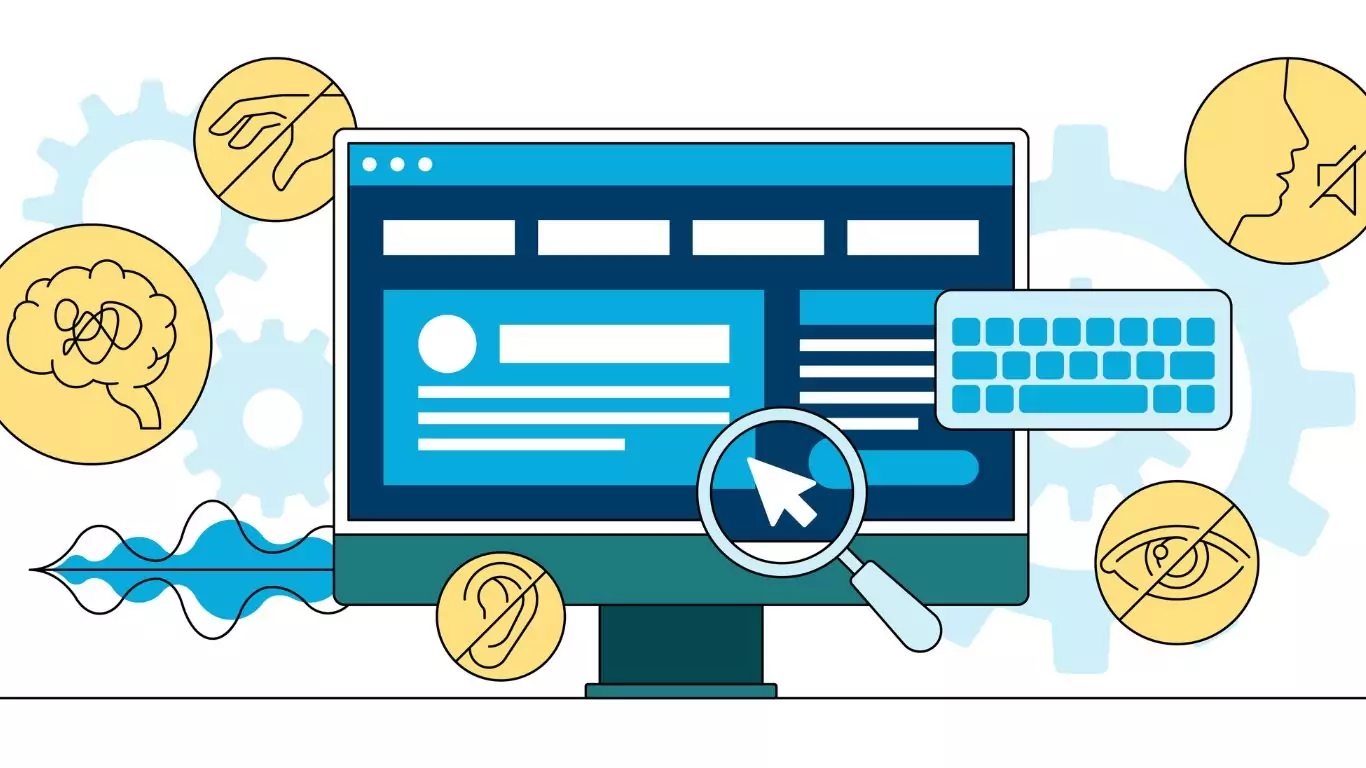
Digital Overlays are not accessible, and are not ADA compliant. Good web design from the beginning or an accessibility audit…...
August 12 9 min read
Digital Overlays are not accessible, and are not ADA compliant. Good web design from the beginning or an accessibility audit…...
 May 16 5 min read
Global Accessibility Awareness Day (GAAD) is every third Thursday in May – this year it is May 19, 2022 On…...
 October 15 5 min read
Website ADA audits are typically the initial offering from the accessibility industry; they promise to find all of the accessibility…...
 September 03 5 min read
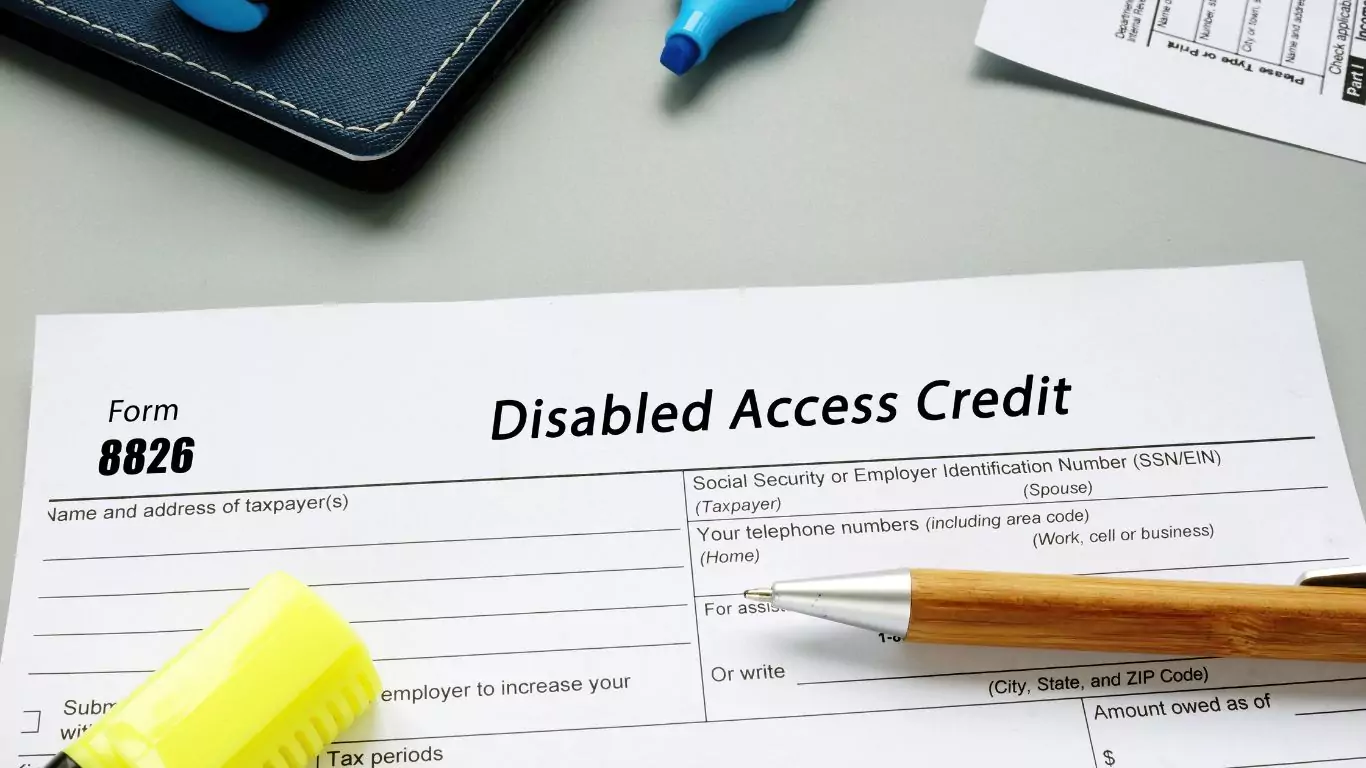
TLDR: Ask your accountant about the Disabled Access Credit. You can claim 50% of what you spend on web accessibility…...