

The Accessibility Paralysis Series: Part 3 – When “Should Do” Never Becomes “Must Do”

Jeffrey Rodgers
October 10 11 min read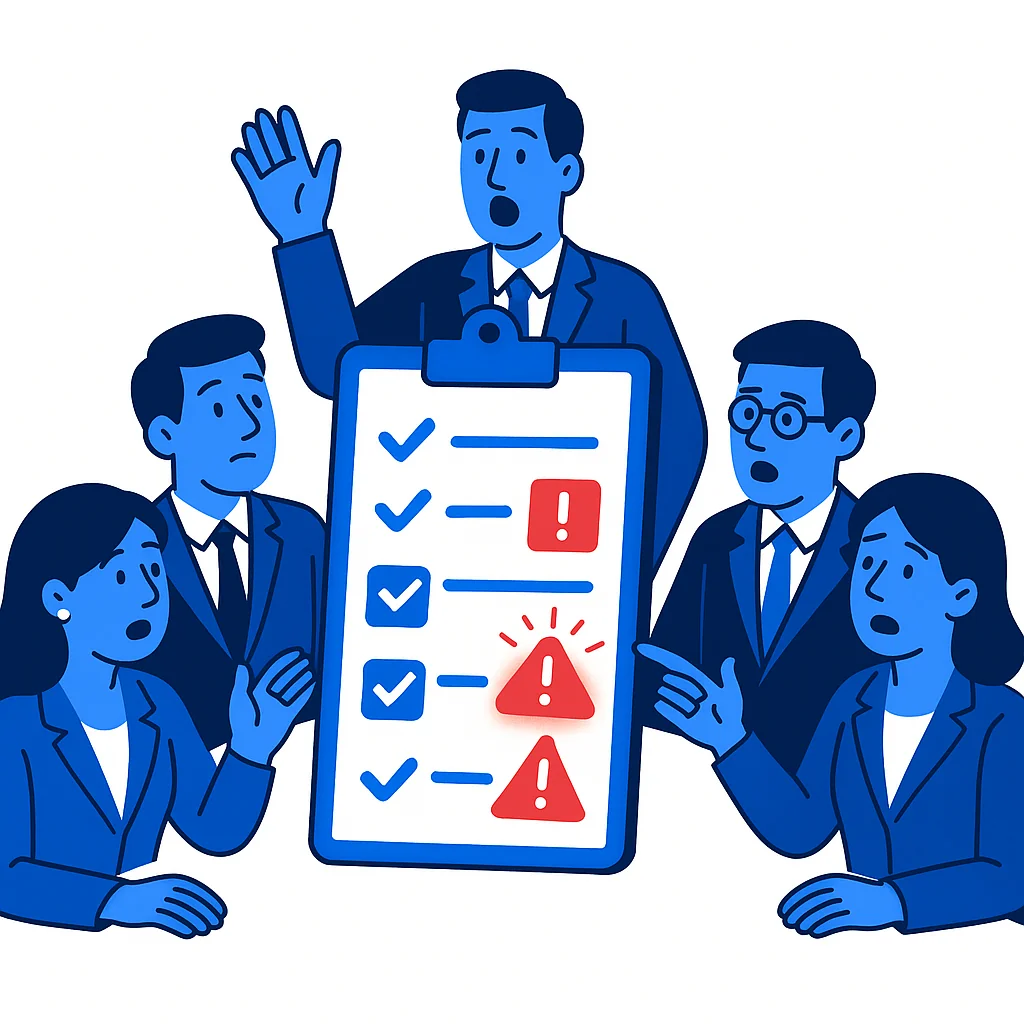 Image Caption
I was on a call last month with a marketing director who perfectly captured something I encounter almost weekly. “We’ve been talking about addressing our digital accessibility compliance for two years,” she said, with the kind of frustration that comes from watching the same conversation happen over and over. “Everyone agrees it’s important. Everyone agrees we should do it. But somehow it never makes it to the top of anyone’s priority list.”
Sound familiar? I bet it does, because I see this pattern constantly with everyone from Colorado city councils to major investment firms: organizations that intellectually understand the importance of accessibility but can never quite generate the urgency needed to actually address it.
Unless there’s an active lawsuit breathing down their necks or a specific compliance deadline looming, accessibility gets stuck in what I call the “perpetual should do” category. It’s important enough to discuss in meetings but not urgent enough to disrupt other priorities.
The Psychology of “Should Do” vs “Must Do”
Here’s what I’ve observed after working with hundreds of organizations: the difference between projects that move forward and projects that stagnate usually isn’t about importance – it’s about urgency. And accessibility, for better or worse, doesn’t naturally create urgency the way other business priorities do.
Think about it: if your website goes down, that’s an immediate crisis. If your sales numbers drop, that triggers urgent action. If you get a cease-and-desist letter, legal action happens quickly. But accessibility barriers? They’re invisible to most decision-makers, affecting users they rarely interact with, creating problems that don’t trigger immediate business consequences.
The Urgency Paradox
This creates what I think of as the accessibility urgency paradox: by the time accessibility becomes urgent (usually due to legal action), it’s much more expensive and disruptive to address than if it had been handled proactively.
I worked with a retail company last year that had been “planning to address accessibility” for three years. They had internal champions, budget discussions, vendor conversations – everything except actual implementation. Then they received their first accessibility-related legal complaint, and suddenly accessibility became the top organizational priority overnight.
The cost of emergency remediation? More than triple what proactive accessibility implementation would have been. The disruption to other projects? Significant. The stress on the team? Considerable. All because urgency didn’t exist until it absolutely had to.
It reminds me of that moment in Star Wars when Princess Leia tells Grand Moff Tarkin, “The more you tighten your grip, the more star systems will slip through your fingers.” The longer organizations wait to address accessibility, the more expensive and disruptive it becomes to fix.
Why Accessibility Doesn’t Feel Urgent (Even Though It Is)
Let me walk you through the psychological factors that make accessibility feel less urgent than it actually is:
Invisible Impact: Most decision-makers don’t regularly interact with users who rely on assistive technology. They can’t see the barriers their websites create, so the problem feels abstract rather than concrete. It’s hard to generate urgency around problems you can’t directly observe.
Gradual Consequences: Unlike security breaches or site outages, accessibility barriers don’t create immediate business crises. The consequences – lost customers, legal risk, brand reputation damage – accumulate gradually and often invisibly.
Statistical Blindness: Organizations focus on metrics they can easily measure. They know their conversion rates, bounce rates, and traffic patterns. But they rarely track accessibility-related user abandonment or measure the business impact of excluding users with disabilities.
Legal Lag: The gap between creating accessibility barriers and facing legal consequences can be months or years. This delay makes it difficult to connect accessibility neglect with potential legal outcomes, reducing perceived urgency.
Competing Priorities: Unlike accessibility, most organizational priorities have clear advocates with budget authority. Sales has revenue targets. Marketing has campaign deadlines. IT has security requirements. Accessibility often lacks a strong internal champion with equivalent organizational influence.
The Hidden Urgency: What Organizations Don’t See
Here’s what drives me crazy about the urgency misconception: digital accessibility compliance actually has plenty of urgent business drivers – they’re just less visible to most decision-makers.
Let me share some numbers that usually surprise people:
Market Impact: The CDC estimates that 61 million adults in the U.S. have a disability, representing $13 trillion in annual disposable income globally. When your digital experiences exclude this market, you’re not just missing sales – you’re actively losing competitive advantage to organizations that serve these users well.
Legal Acceleration: ADA-related website lawsuits have increased by more than 320% in the past five years. The legal landscape isn’t stable – it’s rapidly evolving in ways that increase organizational risk for accessibility non-compliance.
Technical Debt Accumulation: Every day that accessibility isn’t integrated into development processes, new barriers get created. What starts as manageable remediation work becomes increasingly complex and expensive over time.
Reputation Vulnerability: In our connected world, accessibility barriers become public relations problems quickly. Social media complaints about inaccessible experiences can generate negative brand attention that affects much more than the disability community.
Competitive Disadvantage: Organizations with accessible digital experiences have measurable advantages in SEO, usability, and customer satisfaction. Delaying accessibility implementation isn’t neutral – it’s falling behind competitors who prioritize inclusive design.
The Stories That Create Real Urgency
Sometimes I share client stories that help organizations understand the urgency they can’t see directly:
The E-commerce Wake-Up Call: A mid-size retailer discovered they were losing approximately $180,000 in annual revenue due to checkout barriers that prevented screen reader users from completing purchases. The accessibility “nice to have” suddenly became a urgent revenue recovery project.
The University Crisis: A state university faced potential loss of federal funding due to accessibility non-compliance in their learning management system. What had been a “we should look into that” discussion became a “drop everything and fix this immediately” emergency.
The Municipal Meltdown: A county government in the Midwest realized that their online permit system was completely unusable for citizens with disabilities, potentially exposing them to civil rights violations. The “someday we’ll modernize” conversation became a “find the money immediately” crisis.
The Insurance Industry Reality Check: A major insurance company discovered their claims portal barriers weren’t just compliance issues – they were preventing policyholders from accessing services they’d paid for, creating potential breach of contract liability.
But here’s what troubles me: I also see the opposite reaction. Organizations that get overwhelmed by these potential scenarios and decide to just… give up. I’ve had conversations with city administrators who’ve essentially said, “Maybe we’ll just set aside money for potential settlements and hope for the best.” That’s not risk management – that’s hoping the Force will protect you while ignoring the Death Star heading your way.
Creating Urgency Without Crisis
The organizations that successfully move accessibility from “should do” to “must do” without waiting for crisis share some common approaches:
Make the Invisible Visible: They find ways to help decision-makers directly experience accessibility barriers. This might mean having executives try to navigate the website using only a keyboard, or inviting users with disabilities to demonstrate the barriers they encounter.
Quantify the Business Impact: Instead of talking about accessibility in compliance terms, they frame it in business terms. Revenue at risk, market opportunities, efficiency improvements, legal liability – metrics that connect to organizational priorities.
Create Specific Deadlines: They establish concrete deadlines tied to business events. “We need to be accessible before our major product launch” creates more urgency than “we should address accessibility sometime this year.”
Assign Executive Ownership: They ensure accessibility has a champion with organizational authority and budget responsibility. When someone’s performance evaluation includes accessibility progress, urgency increases.
Connect to Existing Priorities: They link accessibility to initiatives that already have organizational urgency. If customer experience is a priority, they frame accessibility as customer experience improvement. If risk management is important, they position accessibility as risk mitigation.
The Cost of Waiting: Why “Eventually” Is Expensive
One of the most effective urgency-generators I’ve found is helping organizations understand the escalating costs of accessibility delay:
Technical Cost Escalation: Fixing accessibility barriers in existing content is typically 3-5 times more expensive than building accessibility in from the start. Every month of delay increases the total remediation cost.
Legal Risk Compound Interest: Accessibility lawsuits aren’t random – they follow patterns. Organizations in certain industries, with certain traffic levels, or with specific types of barriers face increasing risk over time. The legal threat isn’t constant – it’s accelerating.
Competitive Opportunity Cost: While your organization debates accessibility priority, competitors may be gaining market advantages by serving users you’re excluding. Market position lost to more accessible competitors is difficult and expensive to recover.
Team Knowledge Debt: Building internal accessibility capabilities takes time. Delaying accessibility initiatives means delaying the learning curve that makes future accessibility work more efficient and less expensive.
Reframing Urgency: From Compliance to Advantage
The organizations that generate real accessibility urgency often reframe the entire conversation. Instead of focusing on problems that must be fixed, they focus on opportunities that can be captured.
Market Expansion Urgency: “We could be capturing market share from competitors who aren’t serving users with disabilities effectively.”
Innovation Leadership Urgency: “Accessibility drives innovation in user experience that benefits all our users, giving us competitive advantages.”
Efficiency Improvement Urgency: “Accessible design patterns often result in cleaner code, better performance, and easier maintenance.”
Brand Differentiation Urgency: “Demonstrating genuine commitment to inclusion strengthens our brand positioning in ways our competitors can’t easily replicate.”
Risk Mitigation Urgency: “Proactive accessibility implementation protects us from the legal and PR risks that are catching our competitors off-guard.”
It’s like the difference between playing to win versus playing not to lose. Teams that play not to lose usually end up losing anyway, but they suffer through a lot more stress and missed opportunities getting there.
The Urgency Intervention: What Actually Works
When I work with organizations stuck in the “should do” trap, here’s what tends to generate real forward momentum:
User Story Integration: Instead of talking about abstract compliance requirements, we focus on specific user scenarios. “Sarah, who uses a screen reader, can’t complete our job application process” creates more urgency than “our forms don’t meet WCAG 2.1 standards.”
Executive Experience Sessions: Having leadership try to use their own digital properties with assistive technology creates immediate, visceral understanding of user barriers. Nothing generates urgency like personal experience of the problem.
I was talking with a fellow band parent recently who manages the website for a large corporation in northeast Ohio. She mentioned that their accessibility initiative finally got traction when the CEO tried to navigate their investor relations page using only his keyboard during a board meeting. “Suddenly,” she said, “accessibility wasn’t theoretical anymore.”
Competitive Accessibility Analysis: Showing decision-makers how competitors handle accessibility – both well and poorly – often creates urgency around competitive positioning.
Pilot Project Success: Starting with small, high-impact accessibility improvements that generate measurable business results creates urgency for broader implementation.
Legal Landscape Education: Providing specific, current information about accessibility lawsuits in their industry helps organizations understand that legal risk isn’t theoretical – it’s statistical and increasingly likely.
Moving from “Should” to “Must”: The Mindset Shift
The fundamental shift that transforms accessibility from “should do” to “must do” usually isn’t about discovering new information – it’s about changing perspective on existing information.
Organizations that successfully generate accessibility urgency stop thinking about it as a compliance obligation and start viewing it as a business capability. They stop focusing on avoiding problems and start focusing on capturing opportunities.
It’s like the difference between playing prevent defense all game versus building a balanced offensive and defensive strategy. Prevent defense might keep you from giving up big plays, but it rarely wins championships. You need a proactive game plan that creates opportunities while managing risk.
The Questions That Change Everything:
- How much market opportunity are we currently leaving on the table?
- What competitive advantages could we gain by serving users our competitors are excluding?
- How would accessibility improvement advance our existing business priorities?
- What would the timeline and cost be for addressing this proactively versus reactively?
- Who in our organization could become accessibility champions if we empowered them?
The Urgency Sweet Spot
Here’s what I’ve learned: the organizations that implement accessibility most successfully create urgency without crisis. They find ways to make digital accessibility compliance feel important and timely without waiting for lawsuits or compliance deadlines to force action.
This requires leadership that can see beyond immediate operational pressures to recognize strategic opportunities. It requires internal champions who can translate accessibility benefits into language that resonates with different stakeholder groups. And it requires organizational culture that values inclusive design as a competitive advantage rather than regulatory burden.
The good news? Once organizations make this mindset shift, accessibility implementation often moves faster and more successfully than other initiatives because it aligns with values most people already hold. The challenge is generating enough urgency to start the conversation.
Coming up in Part 4: Why the traditional audit-fix-reaudit cycle creates budget anxiety and how to achieve more predictable accessibility outcomes.
Ready to transform accessibility from “should do” to strategic priority in your organization? Let’s discuss how to build the business case and urgency needed to move from planning to implementation.
 October 17 12 min read
Part 4 of 4: Why the Traditional Audit-Fix-Reaudit Cycle Keeps CFOs Awake at Night I was on an initial sales…...
 October 03 12 min read
I got an email last week that made me both laugh and cringe at the same time. A procurement manager…...
 September 26 12 min read
Part 1 of 4: Why Getting Everyone on the Same Page About Digital Accessibility Feels Like Herding Cats Series Introduction:…...
 August 19 10 min read
It’s time someone has an honest conversation about VPATs. If you’re a business leader who’s been told you need a…...
 August 06 11 min read
How the traditional audit-first approach keeps businesses stuck in an expensive cycle of non-compliance—and what actually works instead. If you’re…...
 July 31 9 min read
Why We Recommend Managed Accessibility Ops Over Traditional Audits When potential clients reach out to Accessiblü, most ask for the…...
May 28 16 min read
Ensuring that the technology your organization purchases is accessible to all users isn’t just a nice-to-have—it’s essential. But if you’re…...
 April 28 12 min read
In today’s digital landscape, accessibility isn’t just a nice-to-have—it’s increasingly becoming a business imperative. If you’re a CEO, CTO, or…...
March 23 5 min read
In the digital age, where customer satisfaction and brand loyalty drive success, ensuring your digital assets are accessible is not…...
 February 25 7 min read
In recent months, federal actions and political movements have sought to dismantle or discourage Diversity, Equity, and Inclusion (DEI) initiatives…...
 February 11 8 min read
ADA Title II: Understanding the New DOJ Rule: What State & Local Leaders and Businesses Need to Know What the…...
 November 21 6 min read
In today’s digital-first landscape, accessibility is not just a compliance checkbox—it is a sound business strategy. Companies that prioritize digital…...
 September 30 10 min read
Digital accessibility is a critical challenge for many organizations. As an executive, you may be grappling with the complexities of…...
 September 23 7 min read
In today’s digital age, web accessibility has emerged as a crucial element for ensuring that individuals of all abilities can…...
 September 19 11 min read
Digital accessibility is a complex challenge. Businesses often struggle to know where to start, lacking a clear understanding of how…...
 September 05 8 min read
Digital accessibility presents a significant challenge for company executives. Many leaders mistakenly view it as a simple fix or an…...
November 07 11 min read
When it comes to evaluating the accessibility of your website or app, understanding which type of audit report is best…...
September 23 8 min read
JCC Digital Co-op, and The Jewish Community Centers online compliance for its members....