

The Accessibility Paralysis Series: Part 4 – The Budget Anxiety Nobody Talks About

Jeffrey Rodgers
October 17 12 min read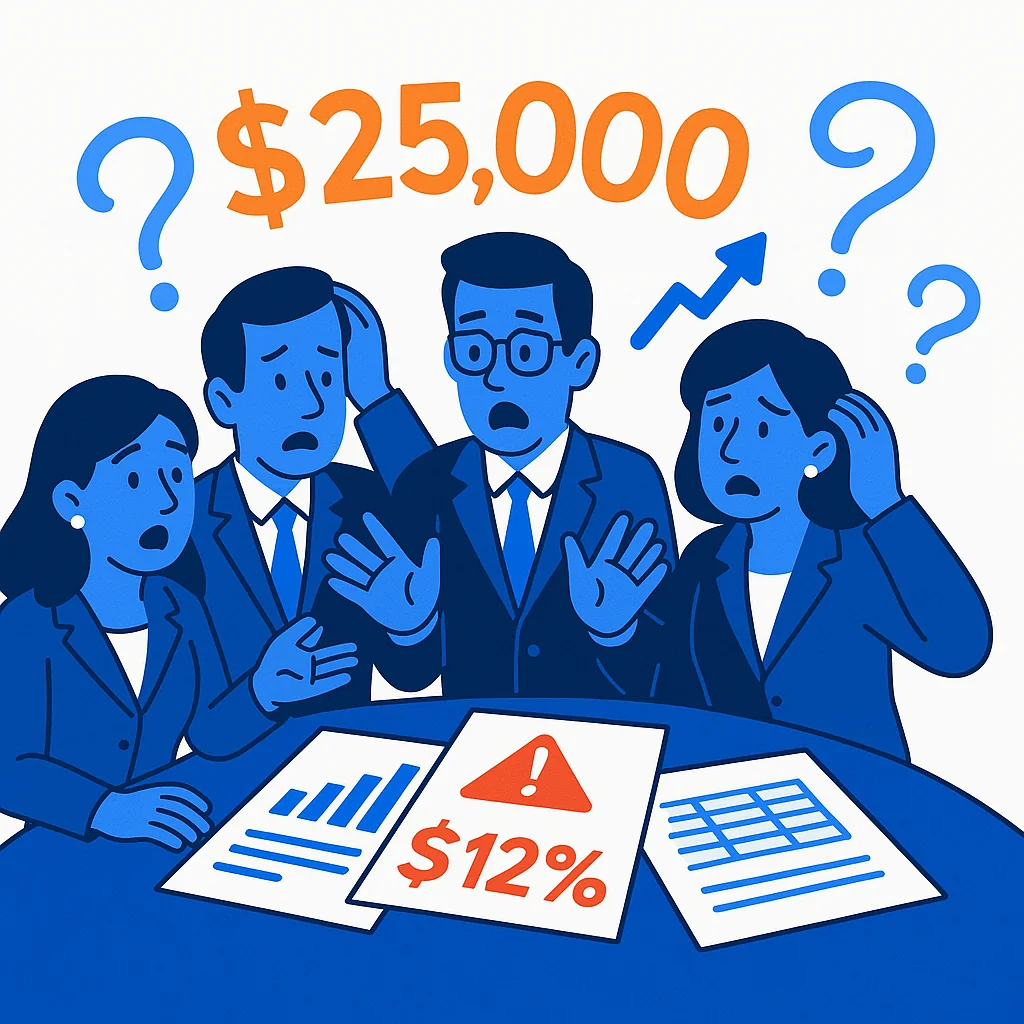 Image Caption
Part 4 of 4: Why the Traditional Audit-Fix-Reaudit Cycle Keeps CFOs Awake at Night
I was on an initial sales call last week with a CFO who said something that stuck with me: “I can budget for a software license, a consulting project, or a new hire. But I have no idea how to budget for accessibility. Every proposal I see feels like the first payment on a subscription I can’t afford to cancel but can’t predict the cost of.”
This was after his organization had spent six months trying to figure out its digital accessibility compliance strategy. They’d gotten audit proposals, remediation quotes, and ongoing support options, but nobody could give him what he really needed: predictable budget parameters for sustainable accessibility.
Having worked with everyone from municipal governments to major manufacturers, I can tell you this CFO’s frustration is universal. Welcome to what I see constantly but organizations rarely discuss openly: the accessibility budget anxiety that comes from traditional audit-fix-reaudit models.
It’s keeping more accessibility initiatives stuck in planning mode than anyone wants to admit.
The Black Hole Budget Problem
Here’s the scenario I encounter weekly: an organization gets an initial accessibility audit for, say, $15,000. The audit identifies 200 barriers that need remediation. The vendor estimates remediation will cost another $20,000. But then what?
“How do we know we’re done?” executives ask. “How do we prevent new barriers from being created? What happens when we launch new features or redesign sections of the site? Are we looking at another $20,000 every time we want to make sure we’re still compliant?”
These aren’t unreasonable questions, but the traditional accessibility services model doesn’t provide good answers. Instead, it creates what feels like an open-ended financial commitment with unpredictable costs and unclear endpoints.
The Audit-Fix-Reaudit Anxiety Spiral
Let me walk you through the budget anxiety cycle I see organizations experience:
- Initial Audit Optimism: “Great, for $15,000, we’ll know exactly what needs to be fixed.”
- Remediation Reality Check: “Wait, fixing the problems costs three times more than finding them?”
- Completion Confusion: “How do we know when we’re actually done? What defines ‘accessible enough’?”
- Ongoing Uncertainty: “If we add new content or features, do we need another full audit? How often? What will that cost?”
- Budget Planning Paralysis: “I can’t budget for this because I have no idea what the total investment will be or when it will end.”
This cycle explains why I see so many organizations get stuck after their first accessibility audit. They have information about problems, but no clear path to sustainable, predictable accessibility management.
And frankly, it’s why I see some organizations just wave the white flag entirely. I’ve had conversations with business owners who’ve said, “Maybe we’ll just budget $50,000 annually for potential settlement costs instead of trying to figure out this accessibility maze.” That’s not financial planning – that’s budget anxiety leading to dangerous shortcuts.
From my Marine Corps days, I learned that good planning prevents poor performance. The organizations that struggle most with accessibility budgets are usually the ones trying to plan around unpredictable service models instead of investing in predictable operational capabilities.
What Traditional Accessibility Vendors Don’t Tell You About Costs
The accessibility audit industry has a dirty little secret: most vendors benefit from the uncertainty their model creates. Here’s what other accessibility companies don’t typically explain upfront:
Audit Addiction: The audit-fix-reaudit cycle creates ongoing dependency on external evaluation. You’re never really “done” – you’re just temporarily current until the next round of testing reveals new issues.
Remediation Reality: Audit findings often underestimate implementation complexity. What looks like a straightforward fix in a report may require significant development work, design changes, or content strategy modifications.
Scope Creep Inevitability: Most audits test a sample of pages, but remediation requires addressing issues site-wide. The actual cost of implementation is usually higher than initial remediation estimates because the scope expands during the work.
Ongoing Vigilance Requirements: Traditional accessibility models don’t include the prevention of new barriers. You fix current problems, but have no guarantee that tomorrow’s content updates won’t create new accessibility issues.
Validation Complications: After implementing audit recommendations, how do you verify that fixes work correctly? Most vendors charge extra for validation testing, adding another cost layer to the process.
Legal Liability Gaps: Completing an audit and remediation doesn’t guarantee legal protection. You’ve addressed known issues as of a specific date, but you have no ongoing assurance that new barriers haven’t been introduced.
The Hidden Costs Nobody Budgets For
Beyond the obvious audit and remediation expenses, the traditional model creates several hidden costs that catch organizations off guard:
Internal Team Disruption: Implementing audit findings usually requires significant internal development time, often disrupting other projects and priorities. This internal cost is rarely factored into accessibility budgeting.
Training and Knowledge Gaps: Most audit reports assume that development teams understand accessibility implementation. In reality, teams often need training and support to implement recommendations correctly, adding time and cost to the process.
Quality Assurance Expansion: Once you start fixing accessibility barriers, you need processes to ensure fixes work correctly and don’t break other functionality. This requires QA time and potentially new testing procedures.
Content Strategy Impact: Many accessibility barriers stem from content practices, not just code issues. Fixing these problems often requires content auditing, rewriting, and new content creation workflows.
Design System Overhauls: Addressing accessibility comprehensively usually requires updating design systems, component libraries, and brand guidelines. These changes have cascading effects on budget and timeline.
Ongoing Maintenance: Even after “successful” remediation, websites change constantly. Without ongoing accessibility integration, barriers reappear quickly, requiring regular intervention to maintain compliance.
Real-World Budget Horror Stories (Names Changed to Protect the Financially Traumatized)
Let me share some scenarios that illustrate why the traditional model creates budget anxiety:
The State Agency Spiral: A state agency budgeted $25,000 for accessibility compliance based on an initial audit quote (not from us). Two years later, they’d spent $40,000 on multiple audit cycles, remediation efforts, automated “fix-it” tools, and emergency fixes for new barriers. They were more accessible than when they started, but the CFO described the process as “financial whack-a-mole.”
The University Underestimate: A university in the Midwest allocated $15,000 for accessibility remediation based on audit findings from 2024. The actual cost approached $90,000 once they factored in content rewriting, design system updates, training for multiple departments, and remediation of issues not covered in the original sample audit.
The Municipal Money Pit: A large metro public works department spent $25,000 on accessibility audits and remediation over 18 months. Six months later, a follow-up evaluation revealed that new barriers had been introduced during routine website updates, essentially requiring them to start over. Total investment with minimal lasting progress: $60,000+.
The Investment Firm Endless Cycle: An investment company became trapped in a cycle of quarterly audits, each costing $6,000, with an additional $4,000 required for remediation work each quarter. After two years, they realized they were spending more on accessibility evaluation than on actual accessibility improvement.
What Budget Predictability Actually Looks Like
The organizations that achieve budget predictability for accessibility share some common approaches that differ significantly from the traditional audit model:
Operational Integration Instead of Project Cycles: Instead of treating accessibility as discrete projects, they integrate accessibility expertise into ongoing operations. This creates consistent monthly costs instead of unpredictable project expenses.
Prevention-Focused Investment: Rather than repeatedly finding and fixing barriers, they invest in preventing barriers from being created in the first place. This frontloads costs but dramatically reduces long-term expenses.
Internal Capability Building: Instead of relying on external audits, they develop internal accessibility knowledge and processes to reduce ongoing vendor dependency. (That’s why we offer training)
Continuous Monitoring Instead of Periodic Evaluation: They implement ongoing accessibility monitoring that catches issues early when they’re cheaper and easier to fix.
Predictable Partnership Models: They work with accessibility partners who offer clear, consistent pricing for ongoing support rather than per-project quotes that vary based on findings.
The Managed Accessibility Operations Alternative
This is where I see the most successful budget planning: organizations that shift from audit-based services to managed accessibility operations. Here’s how the economics work differently:
Predictable Monthly Investment: Instead of unpredictable project costs, you have consistent operational expenses that fit into normal budgeting processes. You can set your budget!
Proactive Issue Prevention: Problems get caught and addressed before they become site-wide remediation projects, reducing overall costs.
Integrated Support: Accessibility expertise is available as part of your development process rather than as separate consultant engagements.
Cumulative Capability Building: Your internal team’s accessibility knowledge grows over time, reducing dependency and improving long-term cost-effectiveness.
Scope Certainty: You know what’s included in ongoing support versus what would require additional investment.
Business Alignment: Costs scale predictably with your organization’s size and complexity rather than varying based on the number of barriers found in periodic audits.
Making the Business Case for Operational Accessibility
When I help organizations transition from audit-anxiety to budget confidence, we typically focus on reframing the entire investment conversation:
Total Cost of Ownership Analysis: We compare the cumulative cost of audit cycles over 3-5 years with the cost of operational accessibility integration. The operational approach usually costs 40-60% less while delivering better outcomes.
Risk Mitigation Value: Continuous accessibility management provides ongoing legal protection rather than point-in-time compliance snapshots. Are you continuing to make this a priority, or were you one-and-done?
Efficiency Improvements: Integrated accessibility often improves overall development efficiency by establishing cleaner coding practices and better user experience patterns.
Market Opportunity Quantification: We calculate the revenue opportunity from better serving users with disabilities, which often justifies accessibility investment based on growth potential rather than just cost management.
Competitive Analysis: We show how accessibility operational capabilities compare to competitors and what market advantages they create.
Questions That Lead to Budget Clarity
When organizations are trying to move from audit anxiety to investment confidence, these questions usually help:
For Traditional Audit Vendors:
- “What’s the total cost of ownership for maintaining compliance over three years?”
- “How do you prevent new barriers from being created after remediation?”
- “What guarantees do you provide about ongoing accessibility maintenance?”
- “How do costs scale if our site grows or changes significantly?”
- “What happens if legal requirements change during our engagement?”
For Operational Accessibility Partners:
- “What specific outcomes are included in your ongoing service?”
- “How do you handle scope changes and site evolution?”
- “What internal capabilities will our team develop through this partnership?”
- “How do you measure and report on accessibility progress?”
- “What’s included versus what would require additional investment?”
The Budget Confidence Transformation
I’ve seen organizations make this transition successfully, and the change is usually dramatic. Instead of accessibility being a source of budget anxiety, it becomes a predictable operational capability that supports business growth.
The CFO I mentioned at the beginning? His organization ultimately chose our managed accessibility operations approach. Now, he told me, “For the first time, I can budget for accessibility with the same confidence I budget for hosting or software licenses. I know what it costs, I know what’s included, and I know how it scales with our business.”
And unlike some of the organizations I talk with who get so overwhelmed they consider just budgeting for lawsuit settlements instead of solutions, his team now has predictable accessibility capabilities that actually prevent problems rather than just documenting them.
The Key Mindset Shift
The transformation from budget anxiety to budget confidence usually requires shifting from thinking about accessibility as a problem to be solved to thinking about it as a capability to be developed.
Problems require unpredictable remediation costs. Capabilities require predictable operational investment.
Problems get worse over time if ignored. Capabilities get more valuable and cost-effective as they mature.
Problems create crisis management expenses. Capabilities prevent crises through proactive management.
As we used to say in the Marines: proper planning prevents poor performance. The same principle applies to accessibility budgeting.
Breaking Free from the Uncertainty Trap
The traditional audit-fix-reaudit model creates budget uncertainty because it’s fundamentally misaligned with how modern digital properties operate. Websites aren’t static documents that can be audited and certified once – they’re dynamic platforms that require ongoing attention to maintain quality and compliance.
The organizations that achieve budget predictability for digital accessibility compliance recognize this reality and invest in approaches that match it. They stop trying to buy accessibility as a product and start building it as a capability.
This requires moving beyond the audit mindset to embrace operational accessibility management. It requires finding partners who can provide predictable, ongoing support rather than unpredictable project costs. And it requires leadership that understands accessibility as a business capability rather than a compliance burden.
The Path Forward
If your organization is stuck in accessibility budget anxiety, the solution usually isn’t better audit vendor selection – it’s moving beyond the audit model entirely.
Start by calculating the total cost of ownership for your current approach over the next three years. Include not just vendor costs but internal time, opportunity costs, and risk exposure. Then compare that to operational alternatives that provide predictable costs and better outcomes.
You might be surprised to discover that budget predictability and better accessibility outcomes are both achievable – you just need to stop shopping for audits and start investing in accessibility operations.
The budget anxiety trap is real, but it’s not inevitable. Organizations that prioritize predictable accessibility outcomes over audit reports usually find both budget clarity and better user experiences.
Your accessibility investment doesn’t have to be an open-ended financial commitment with unpredictable costs. It can be a strategic capability investment with clear parameters and measurable returns.
That concludes our four-part series on accessibility paralysis. Ready to move beyond these common traps and start building sustainable accessibility capabilities? Let’s discuss how managed accessibility operations can provide the predictability and outcomes your organization needs.
Looking for budget predictability in your accessibility investment? Our managed accessibility operations approach provides consistent monthly costs, proactive barrier prevention, and clear scope definition – eliminating the uncertainty of traditional audit cycles.
 October 10 11 min read
I was on a call last month with a marketing director who perfectly captured something I encounter almost weekly. “We’ve…...
 October 03 12 min read
I got an email last week that made me both laugh and cringe at the same time. A procurement manager…...
 September 26 12 min read
Part 1 of 4: Why Getting Everyone on the Same Page About Digital Accessibility Feels Like Herding Cats Series Introduction:…...
 August 19 10 min read
It’s time someone has an honest conversation about VPATs. If you’re a business leader who’s been told you need a…...
 August 06 11 min read
How the traditional audit-first approach keeps businesses stuck in an expensive cycle of non-compliance—and what actually works instead. If you’re…...
 July 31 9 min read
Why We Recommend Managed Accessibility Ops Over Traditional Audits When potential clients reach out to Accessiblü, most ask for the…...
May 28 16 min read
Ensuring that the technology your organization purchases is accessible to all users isn’t just a nice-to-have—it’s essential. But if you’re…...
 April 28 12 min read
In today’s digital landscape, accessibility isn’t just a nice-to-have—it’s increasingly becoming a business imperative. If you’re a CEO, CTO, or…...
March 23 5 min read
In the digital age, where customer satisfaction and brand loyalty drive success, ensuring your digital assets are accessible is not…...
 February 25 7 min read
In recent months, federal actions and political movements have sought to dismantle or discourage Diversity, Equity, and Inclusion (DEI) initiatives…...
 February 11 8 min read
ADA Title II: Understanding the New DOJ Rule: What State & Local Leaders and Businesses Need to Know What the…...
 November 21 6 min read
In today’s digital-first landscape, accessibility is not just a compliance checkbox—it is a sound business strategy. Companies that prioritize digital…...
 September 30 10 min read
Digital accessibility is a critical challenge for many organizations. As an executive, you may be grappling with the complexities of…...
 September 23 7 min read
In today’s digital age, web accessibility has emerged as a crucial element for ensuring that individuals of all abilities can…...
 September 19 11 min read
Digital accessibility is a complex challenge. Businesses often struggle to know where to start, lacking a clear understanding of how…...
 September 05 8 min read
Digital accessibility presents a significant challenge for company executives. Many leaders mistakenly view it as a simple fix or an…...
December 11 10 min read
As businesses increasingly recognize the importance of creating inclusive digital experiences, there is a growing demand for manual accessibility audits.…...
November 07 11 min read
When it comes to evaluating the accessibility of your website or app, understanding which type of audit report is best…...
September 23 8 min read
JCC Digital Co-op, and The Jewish Community Centers online compliance for its members....
 August 19 9 min read
Digital Overlays are not accessible, and are not ADA compliant. Good web design from the beginning or an accessibility audit…...
 August 12 9 min read
Digital Overlays are not accessible, and are not ADA compliant. Good web design from the beginning or an accessibility audit…...
 May 16 5 min read
Global Accessibility Awareness Day (GAAD) is every third Thursday in May – this year it is May 19, 2022 On…...
 September 03 5 min read
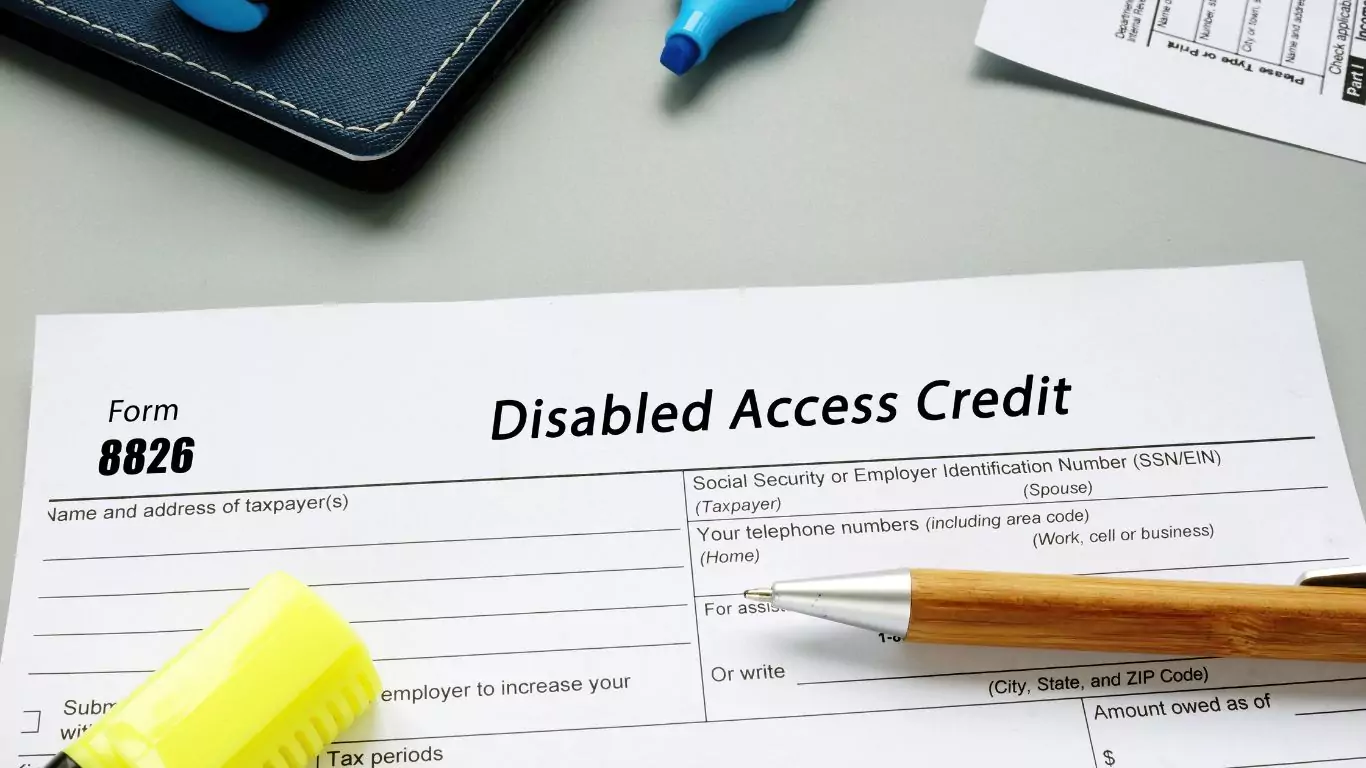
TLDR: Ask your accountant about the Disabled Access Credit. You can claim 50% of what you spend on web accessibility…...