

The Accessibility Paralysis Series: Part 2 – Escaping the Audit Shopping Trap!

Jeffrey Rodgers
October 03 12 min read Image Caption
I got an email last week that made me both laugh and cringe at the same time. A procurement manager – let’s call her Sarah – sent me a spreadsheet with five different accessibility audit proposals she was trying to compare. Her subject line read: “Help! These all sound the same but cost completely different amounts. What am I missing?”
Sarah had done exactly what most organizations do when they decide to address digital accessibility: she requested audit quotes from several vendors, assuming she was shopping for a commodity service. The results? One quote for $8,500, another for $15,000, one at $22,000, and two others that were so different in scope she couldn’t even compare them.
“I feel like I’m trying to compare a bicycle, a car, a helicopter, and a submarine,” she told me on our call. “They all claim to do transportation, but I have no idea which one actually gets me where I need to go.”
Welcome to what I see all the time: the accessibility audit shopping trap. Having worked with everyone from Colorado county governments to major pro-audio manufacturers, I can tell you this confusion is universal.
How We All Got Trapped in Audit Land
Here’s the thing – Sarah’s confusion is totally understandable because most accessibility vendors lead with audits. It’s what they know how to sell, and it feels concrete to buyers. Pay money, get a report, check a box. Simple, right?
Except it’s not simple at all. What Sarah discovered – and what I see organizations discover constantly – is that accessibility audits aren’t commodities. They’re wildly different in approach, depth, quality, and value. But unless you already understand accessibility pretty well, you have no way to evaluate those differences.
My Marine Corps experience taught me to recognize when someone shows “good initiative, bad judgment.” Most accessibility audits fall into this category – they show initiative by trying to document problems, but they demonstrate bad judgment by failing to understand the problem from the user’s perspective. An audit tells you what’s wrong with your code; it doesn’t tell you how real people with disabilities actually experience your site.
It’s like shopping for surgery. If you don’t know medicine, how do you compare one surgeon’s approach to another’s? You end up focusing on the things you can understand – price, timing, bedside manner – while the factors that actually matter for your outcome remain invisible.
The Vendor’s Dilemma
I actually sympathize with accessibility vendors who lead with audits. When a prospect calls asking for help with digital accessibility, what are they supposed to offer? Most buyers aren’t ready to hear about operational approaches or managed services. They want something tangible they can purchase and implement.
So vendors default to selling what buyers think they want: a comprehensive evaluation that identifies problems and provides recommendations. It fits into traditional procurement processes, aligns with annual budget cycles, and produces deliverables that executives can review. It’s also how traditional consulting works – tell us what we need to fix so we can fix it.
The problem is that this approach often doesn’t actually solve the buyer’s underlying accessibility challenges.
What I See When Organizations Compare Audit Quotes
I’ve probably reviewed fifty sets of competitive audit proposals over the years, and the confusion patterns are remarkably consistent. Let me walk you through what I typically see:
The Scope Confusion
Vendor A proposes testing 25 pages with “comprehensive automated and manual evaluation.” Vendor B offers testing of “representative page types and user journeys” – whatever that means. Vendor C includes “usability testing with assistive technology users” but only on 5 pages.
Without accessibility expertise, how is Sarah supposed to know which approach is more appropriate for her organization’s needs? She can’t. So she defaults to trying to compare page counts and deliverable lists, which tells her nothing about the quality or usefulness of the evaluation she’ll receive.
The Timeline Tango
One vendor promises delivery in two weeks. Another needs two months. The fast option sounds appealing until you realize they’re probably running automated scans with minimal human evaluation, while the slower vendor might be conducting thorough manual testing that catches the issues automated tools miss.
But Sarah doesn’t know this. She just sees that one vendor is “more efficient” than another. It’s like comparing a team that scores touchdowns by throwing Hail Mary passes every play versus one that methodically moves down the field. Both might put points on the board, but the quality and sustainability of the approach are completely different.
I’ve seen this play out with a large insurance company that chose the “fast” audit option, only to discover six months later that their accessibility barriers were actually worse than before the audit because they’d implemented superficial fixes that broke other functionality. Sometimes the quick play call isn’t the right play call.
The Report Roulette
Every proposal promises a “detailed report with actionable recommendations,” but I’ve seen accessibility audit reports that range from glorified automated tool outputs to genuine implementation roadmaps. Some are filled with technical jargon that developers can’t act on. Others provide clear, prioritized guidance that teams can actually use.
The problem? You don’t find out which type of report you’re getting until after you’ve paid for it.
The Price Puzzle
This is where things get really murky. Sarah’s $8,500 quote relied heavily on automated testing with junior staff review. The $22,000 proposal included comprehensive manual testing by senior accessibility experts plus user testing with real assistive technology users.
Both vendors claimed to deliver “comprehensive accessibility audits,” but they were offering fundamentally different services at appropriately different price points. Without understanding what drives the cost differences, Sarah was essentially shopping blind.
The Questions That Actually Matter (That Nobody Knows to Ask)
After seeing so many organizations struggle with audit comparisons, I’ve developed a standard list of questions that actually differentiate one accessibility audit from another. Here’s what I wish buyers like Sarah knew to ask:
About the Testing Methodology:
- “What percentage of your evaluation relies on automated tools versus manual testing?”
- “How do you determine which pages and user flows to include in testing?”
- “Do you test with actual assistive technology users, or just simulate their experience?”
- “How do you evaluate cognitive accessibility and plain language concerns?”
About the Evaluation Team:
- “Who specifically will be conducting the evaluation, and what are their qualifications?”
- “How many years of accessibility experience does your lead evaluator have?”
- “Are your evaluators certified by recognized accessibility organizations?”
- “Will the same person who conducts the evaluation also write the recommendations?”
About the Deliverables:
- “Can you show me a sample report from a similar project?” (This is the big one!)
- “How do you prioritize findings – by technical severity, user impact, or implementation complexity?”
- “What level of implementation guidance do you provide with each finding?”
- “Do you offer any validation of fixes after the report is delivered?”
About Their Approach:
- “How do you customize your evaluation approach for different types of organizations?”
- “What’s your philosophy on balancing compliance requirements with user experience?”
- “How do you handle situations where WCAG guidelines conflict with usability best practices?”
- “What post-audit support do you provide during implementation?”
Red Flags That Should End the Conversation
Through painful experience, I’ve learned to recognize warning signs that an accessibility audit vendor probably won’t deliver meaningful value. Here are the red flags that should make you run:
The Compliance Guarantee: Anyone promising “100% WCAG compliance” or “guaranteed legal protection” doesn’t understand accessibility. It’s not binary, and there’s always subjectivity in evaluation and implementation.
The Automated Solution: If their process is primarily automated scanning with minimal human evaluation, you’re paying premium prices for what you could get from free browser extensions.
The Generic Proposal: If their scope document could apply to any website and doesn’t reference your specific context or needs, they’re using a cookie-cutter approach.
The Defensive Response: Legitimate accessibility professionals welcome detailed questions about methodology. Vendors who get evasive or defensive about their process are usually hiding something. Or don’t do accessibility full-time.
The PDF Drop-Off: If their involvement ends when they deliver the report, you’re essentially paying for an expensive to-do list with no guarantee you’ll be able to complete it.
The Unrealistic Timeline: Thorough accessibility evaluations take time. Vendors promising comprehensive audits in just a few days are definitely cutting corners.
What Sarah Discovered (And Why It Changed Everything)
After our conversation, Sarah did something smart: she asked each vendor for sample reports from previous projects. The differences were eye-opening.
The $8,500 vendor provided a report that was essentially automated tool output with minimal commentary. Findings were listed by technical violation rather than user impact. Recommendations were generic (“Add alt text to images”) without specific implementation guidance.
The $22,000 vendor’s sample report told a completely different story. It explained how each barrier affected real users, provided specific code solutions, and prioritized fixes based on implementation effort versus user benefit. It read like a implementation roadmap rather than a compliance checklist.
Suddenly, the price differences made sense. Sarah wasn’t comparing apples to apples – she was comparing a basic inspection to comprehensive evaluation and remediation guidance.
The Plot Twist
But here’s where Sarah’s story gets interesting. After reviewing the sample reports, she realized something important: even the best accessibility audit was just going to give her a snapshot of current problems. It wasn’t going to prevent new barriers from being created as her site continued to evolve.
“I started wondering,” she told me, “whether buying an audit was actually solving my problem.” Reality set in when I explained that audits just document your problems. They don’t fix anything. Audit reports can’t even really explain how to fix things, because accessibility issues are not that simple.
This is the insight I see organizations reach when they really think through the audit approach: static evaluations can’t keep pace with dynamic websites.
Beyond Audit Shopping: The Operational Reality
Sarah’s realization mirrors something I see with most organizations that get serious about accessibility: the audit-fix-reaudit cycle doesn’t actually work for modern web development.
Think about it: if your website changes monthly (or weekly, or daily), what’s the value of a quarterly accessibility evaluation? By the time you receive the audit report, implement the fixes, and validate the remediation, your site has probably changed enough to introduce new barriers.
This is where I see some organizations just throw in the towel. I’ve had conversations with municipal administrators who said, “Maybe we’ll just budget for potential lawsuit settlements instead of trying to chase this accessibility thing forever.” That’s not a strategy – that’s audit fatigue leading to dangerous thinking.
It’s like trying to maintain cybersecurity with annual penetration tests instead of ongoing monitoring and response. The approach fundamentally mismatches the problem.
What Actually Works
The organizations that achieve sustainable accessibility success don’t rely on periodic audits. They integrate accessibility expertise into their ongoing operations. Instead of documenting barriers after they’re deployed, they prevent barriers from being created in the first place.
This operational approach provides several advantages over audit shopping:
- Continuous Coverage: Accessibility review happens as part of the development process, not as a separate evaluation cycle
- Proactive Prevention: Issues get caught before they affect users, not after they’re already live
- Team Education: Internal capabilities grow over time rather than remaining dependent on external audits
- Budget Predictability: Ongoing operational costs are more predictable than periodic large audit expenses
- User-Focused Outcomes: The emphasis shifts from compliance documentation to user experience improvement
Making the Shift: From Shopping to Partnership
If you’re currently trapped in accessibility audit shopping mode, consider reframing the question. Instead of “Which audit should I buy?”, ask “How can I build sustainable accessibility into my organization?”
This shift requires thinking beyond individual transactions to long-term accessibility success. It means finding partners who can help build your internal capabilities rather than creating ongoing dependency on external evaluations.
Questions for Potential Accessibility Partners:
- How do you help organizations build internal accessibility capabilities?
- What’s your approach to preventing accessibility barriers rather than just documenting them?
- How do you integrate with existing development processes?
- What does ongoing accessibility success look like for organizations like ours?
- How do you measure accessibility progress beyond compliance metrics?
The Audit Shopping Exit Strategy
Sarah’s story ended well. After realizing that audit shopping wasn’t going to solve her fundamental accessibility challenges, she shifted her approach. Instead of buying another evaluation, she invested in ongoing accessibility operations that integrated with her development team’s workflow.
Six months later, her organization had better accessibility outcomes than they would have achieved through multiple audit cycles, at lower total cost and with greater internal capability building.
The key insight: the goal isn’t to find the perfect accessibility audit. The goal is to create digital experiences that work reliably for all users. Sometimes that requires moving beyond the audit shopping mindset entirely.
Your users don’t need another PDF full of findings. They need accessible experiences that work consistently. The question isn’t which audit to buy – it’s how to build the operational capabilities that will serve them well.
Coming up in Part 3: Why accessibility feels like a “nice to have” instead of “must do” – and how to shift that perception in your organization.
Tired of comparing audit proposals and ready to explore operational approaches to accessibility? Let’s discuss how managed accessibility services can provide more predictable outcomes at lower total cost than the audit-fix-reaudit cycle.
 October 22 10 min read
If you think accessibility compliance testing means running a quick automated scan and checking your site with one screen reader,…...
 October 17 12 min read
Part 4 of 4: Why the Traditional Audit-Fix-Reaudit Cycle Keeps CFOs Awake at Night I was on an initial sales…...
 October 10 11 min read
I was on a call last month with a marketing director who perfectly captured something I encounter almost weekly. “We’ve…...
 September 26 12 min read
Part 1 of 4: Why Getting Everyone on the Same Page About Digital Accessibility Feels Like Herding Cats Series Introduction:…...
 August 06 11 min read
How the traditional audit-first approach keeps businesses stuck in an expensive cycle of non-compliance—and what actually works instead. If you’re…...
 July 31 9 min read
Why We Recommend Managed Accessibility Ops Over Traditional Audits When potential clients reach out to Accessiblü, most ask for the…...
May 28 16 min read
Ensuring that the technology your organization purchases is accessible to all users isn’t just a nice-to-have—it’s essential. But if you’re…...
 April 28 12 min read
In today’s digital landscape, accessibility isn’t just a nice-to-have—it’s increasingly becoming a business imperative. If you’re a CEO, CTO, or…...
April 03 11 min read
In my years leading digital accessibility initiatives, I’ve witnessed a recurring pattern: organizations invest heavily in accessibility audits, only to…...
March 23 5 min read
In the digital age, where customer satisfaction and brand loyalty drive success, ensuring your digital assets are accessible is not…...
 February 25 7 min read
In recent months, federal actions and political movements have sought to dismantle or discourage Diversity, Equity, and Inclusion (DEI) initiatives…...
 February 11 8 min read
ADA Title II: Understanding the New DOJ Rule: What State & Local Leaders and Businesses Need to Know What the…...
 November 21 6 min read
In today’s digital-first landscape, accessibility is not just a compliance checkbox—it is a sound business strategy. Companies that prioritize digital…...
 September 30 10 min read
Digital accessibility is a critical challenge for many organizations. As an executive, you may be grappling with the complexities of…...
 September 23 7 min read
In today’s digital age, web accessibility has emerged as a crucial element for ensuring that individuals of all abilities can…...
 September 19 11 min read
Digital accessibility is a complex challenge. Businesses often struggle to know where to start, lacking a clear understanding of how…...
 September 05 8 min read
Digital accessibility presents a significant challenge for company executives. Many leaders mistakenly view it as a simple fix or an…...
 August 28 9 min read
In today’s digital-first world, ensuring your website, desktop applications, and mobile apps are accessible is not just a matter of…...
 August 28 5 min read
Are you responsible for ensuring digital accessibility on your company’s website, app, or digital assets? Then you know that in…...
July 01 9 min read
Ensuring digital accessibility is a crucial responsibility, yet interpreting and addressing the findings from accessibility audits can pose significant challenges…...
 June 28 7 min read
In today’s interconnected world, mobile applications serve as gateways to information, services, and experiences for diverse audiences. However, ensuring these…...
April 10 10 min read
In a significant move towards inclusivity, the Department of Justice (DOJ) recently issued a final rule under Title II of…...
March 15 12 min read
Knowing what to ask for in an accessibility contract or Request For Proposal (RFP) will help ensure that you get…...
December 11 10 min read
As businesses increasingly recognize the importance of creating inclusive digital experiences, there is a growing demand for manual accessibility audits.…...
December 01 10 min read
In today’s digital landscape, web accessibility is essential to ensuring equal access and inclusion for all users. Accessibility overlays have…...
November 07 11 min read
When it comes to evaluating the accessibility of your website or app, understanding which type of audit report is best…...
 September 18 15 min read
Accessibility is a fundamental aspect that all website owners and developers should consider. Understanding how people with disabilities navigate the…...
 October 31 11 min read
Over the years of working with businesses on accessibility conformance, we’ve seen the same mistakes made over and over again.…...
 August 19 9 min read
Digital Overlays are not accessible, and are not ADA compliant. Good web design from the beginning or an accessibility audit…...
August 12 9 min read
Digital Overlays are not accessible, and are not ADA compliant. Good web design from the beginning or an accessibility audit…...
 May 16 5 min read
Global Accessibility Awareness Day (GAAD) is every third Thursday in May – this year it is May 19, 2022 On…...
 October 15 5 min read
Website ADA audits are typically the initial offering from the accessibility industry; they promise to find all of the accessibility…...
 September 03 5 min read
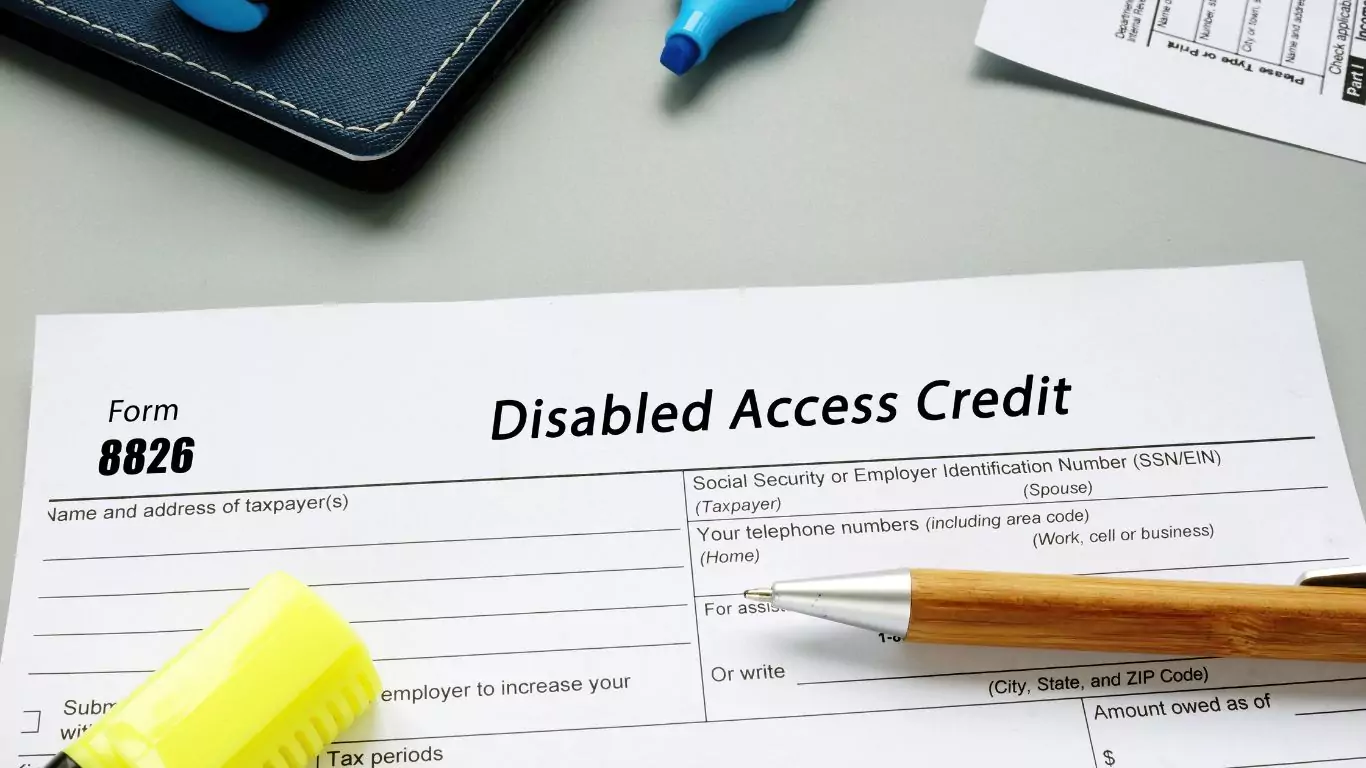
TLDR: Ask your accountant about the Disabled Access Credit. You can claim 50% of what you spend on web accessibility…...