

Unlocking the ROI of Digital Accessibility: Measuring the Impact on Customer Satisfaction and Loyalty

Jeffrey Rodgers
March 23 5 min read Image Caption
In the digital age, where customer satisfaction and brand loyalty drive success, ensuring your digital assets are accessible is not just a legal and ethical responsibility but a strategic business decision. For CEOs, web, and marketing leadership, understanding the return on investment (ROI) of digital accessibility can be a game-changer. This article delves into how accessibility initiatives directly impact key business metrics and why prioritizing accessibility is essential for optimizing ROI.
The Business Case for Digital Accessibility
Digital accessibility ensures that your website, mobile apps, and online content are usable by everyone, including people with disabilities. This is not merely a compliance issue; it’s a business imperative. Accessible websites broaden your audience, enhance user experience, and ultimately improve customer satisfaction and loyalty.
For company leadership, the link between accessibility and business metrics is clear. An inclusive digital presence means that more people can interact with your brand, which directly impacts your bottom line. With over 1 billion people globally living with some form of disability, ignoring this market is not just a missed opportunity but a strategic oversight.
Measuring ROI on Accessibility Initiatives
One of the primary challenges for executives and managers is demonstrating the tangible benefits of accessibility initiatives. How does one quantify the ROI of making a website or digital content accessible?
- Increased Customer Base: By making your digital content accessible, you open your business to a larger audience. This inclusivity can lead to increased traffic, higher conversion rates, and, ultimately, greater revenue.
- Enhanced Customer Satisfaction: Accessibility leads to a better user experience for everyone. When all users can navigate your site with ease, find what they need, and complete transactions without frustration, customer satisfaction naturally increases. Satisfied customers are more likely to return, recommend your business, and become loyal brand advocates.
- Improved SEO Performance: Search engines like Google favor accessible websites. Features such as proper use of alt text for images, video captions, and structured content make your site more search-engine friendly, leading to higher rankings and increased organic traffic.
- Brand Reputation and Trust: Companies known for their commitment to accessibility are viewed more favorably by the public. This not only enhances your brand reputation but also builds trust with consumers who value inclusivity. In a market where brand perception can make or break a company, this trust is invaluable.
The Strategic Advantage of a Gap Analysis
One crucial aspect of optimizing the ROI of accessibility is the strategic use of an accessibility gap analysis. Traditional accessibility audits are often performed before and after remediation, which can double the cost. However, using a gap-analysis-first approach allows for strategic planning and breaks the costly and inefficient auditing cycle.
Integrating the audit process with planning and remediation efforts, as done by Accessiblü’s Managed Accessibility Ops service, can significantly reduce expenses. This approach addresses and removes barriers as they are identified, providing real-time solutions and cost savings.
By choosing a managed service that integrates audits with remediation, companies not only save money but also ensure continuous compliance. This ongoing attention to accessibility prevents potential legal issues and keeps the website or digital asset up to date with the latest standards.
Customer Satisfaction, Loyalty, and the Accessibility Connection
Customer satisfaction and loyalty are key drivers of business success. When your digital content is accessible, you provide a seamless experience for all users, including those with disabilities. This inclusivity fosters a sense of belonging and respect, which are crucial for building long-term customer relationships.
Accessible websites also reduce the likelihood of user frustration, which can lead to negative reviews and brand damage. In contrast, a positive, accessible user experience encourages repeat visits, increases customer retention, and drives loyalty.
Article: The Power of Disabled Consumers
Addressing the Pain Points
For many businesses, the pain points around digital accessibility center on the perceived costs and complexity of implementation. However, these concerns can be mitigated by understanding the broader impact on customer satisfaction and loyalty, which directly contribute to ROI.
By investing in digital accessibility, you are not only complying with legal requirements such as the ADA and Section 508 but also enhancing the overall usability of your digital assets. This usability gap analysis helps identify areas where your website may be falling short, providing opportunities for improvement that benefit all users, not just those with disabilities.
Conclusion
Digital accessibility is not just about compliance—it’s about making smart business decisions that drive customer satisfaction, loyalty, and, ultimately, revenue. For CEOs and marketing leaders, the ROI of accessibility initiatives is clear: they expand your market reach, improve customer experiences, and protect your brand reputation.
By integrating accessibility audits with remediation processes, businesses can optimize their accessibility budget and ensure continuous compliance. As more companies recognize the importance of digital accessibility, those that prioritize it will gain a competitive edge, demonstrating their commitment to inclusivity and reaping the rewards of a more loyal customer base.
Investing in digital accessibility is investing in your brand’s future. Don’t wait until legal pressures force your hand—make accessibility a strategic priority today and unlock the full potential of your digital assets.
 October 22 10 min read
If you think accessibility compliance testing means running a quick automated scan and checking your site with one screen reader,…...
 October 17 12 min read
Part 4 of 4: Why the Traditional Audit-Fix-Reaudit Cycle Keeps CFOs Awake at Night I was on an initial sales…...
 October 10 11 min read
I was on a call last month with a marketing director who perfectly captured something I encounter almost weekly. “We’ve…...
 October 03 12 min read
I got an email last week that made me both laugh and cringe at the same time. A procurement manager…...
 September 26 12 min read
Part 1 of 4: Why Getting Everyone on the Same Page About Digital Accessibility Feels Like Herding Cats Series Introduction:…...
 August 06 11 min read
How the traditional audit-first approach keeps businesses stuck in an expensive cycle of non-compliance—and what actually works instead. If you’re…...
July 31 9 min read
Why We Recommend Managed Accessibility Ops Over Traditional Audits When potential clients reach out to Accessiblü, most ask for the…...
May 28 16 min read
Ensuring that the technology your organization purchases is accessible to all users isn’t just a nice-to-have—it’s essential. But if you’re…...
 April 28 12 min read
In today’s digital landscape, accessibility isn’t just a nice-to-have—it’s increasingly becoming a business imperative. If you’re a CEO, CTO, or…...
April 03 11 min read
In my years leading digital accessibility initiatives, I’ve witnessed a recurring pattern: organizations invest heavily in accessibility audits, only to…...
 February 25 7 min read
In recent months, federal actions and political movements have sought to dismantle or discourage Diversity, Equity, and Inclusion (DEI) initiatives…...
 February 11 8 min read
ADA Title II: Understanding the New DOJ Rule: What State & Local Leaders and Businesses Need to Know What the…...
 November 21 6 min read
In today’s digital-first landscape, accessibility is not just a compliance checkbox—it is a sound business strategy. Companies that prioritize digital…...
 September 30 10 min read
Digital accessibility is a critical challenge for many organizations. As an executive, you may be grappling with the complexities of…...
 September 23 7 min read
In today’s digital age, web accessibility has emerged as a crucial element for ensuring that individuals of all abilities can…...
 September 19 11 min read
Digital accessibility is a complex challenge. Businesses often struggle to know where to start, lacking a clear understanding of how…...
 September 05 8 min read
Digital accessibility presents a significant challenge for company executives. Many leaders mistakenly view it as a simple fix or an…...
 August 28 9 min read
In today’s digital-first world, ensuring your website, desktop applications, and mobile apps are accessible is not just a matter of…...
 August 28 5 min read
Are you responsible for ensuring digital accessibility on your company’s website, app, or digital assets? Then you know that in…...
July 01 9 min read
Ensuring digital accessibility is a crucial responsibility, yet interpreting and addressing the findings from accessibility audits can pose significant challenges…...
 June 28 7 min read
In today’s interconnected world, mobile applications serve as gateways to information, services, and experiences for diverse audiences. However, ensuring these…...
April 10 10 min read
In a significant move towards inclusivity, the Department of Justice (DOJ) recently issued a final rule under Title II of…...
March 15 12 min read
Knowing what to ask for in an accessibility contract or Request For Proposal (RFP) will help ensure that you get…...
December 11 10 min read
As businesses increasingly recognize the importance of creating inclusive digital experiences, there is a growing demand for manual accessibility audits.…...
December 01 10 min read
In today’s digital landscape, web accessibility is essential to ensuring equal access and inclusion for all users. Accessibility overlays have…...
November 07 11 min read
When it comes to evaluating the accessibility of your website or app, understanding which type of audit report is best…...
 September 18 15 min read
Accessibility is a fundamental aspect that all website owners and developers should consider. Understanding how people with disabilities navigate the…...
 October 31 11 min read
Over the years of working with businesses on accessibility conformance, we’ve seen the same mistakes made over and over again.…...
 August 19 9 min read
Digital Overlays are not accessible, and are not ADA compliant. Good web design from the beginning or an accessibility audit…...
August 12 9 min read
Digital Overlays are not accessible, and are not ADA compliant. Good web design from the beginning or an accessibility audit…...
 May 16 5 min read
Global Accessibility Awareness Day (GAAD) is every third Thursday in May – this year it is May 19, 2022 On…...
 October 15 5 min read
Website ADA audits are typically the initial offering from the accessibility industry; they promise to find all of the accessibility…...
 September 03 5 min read
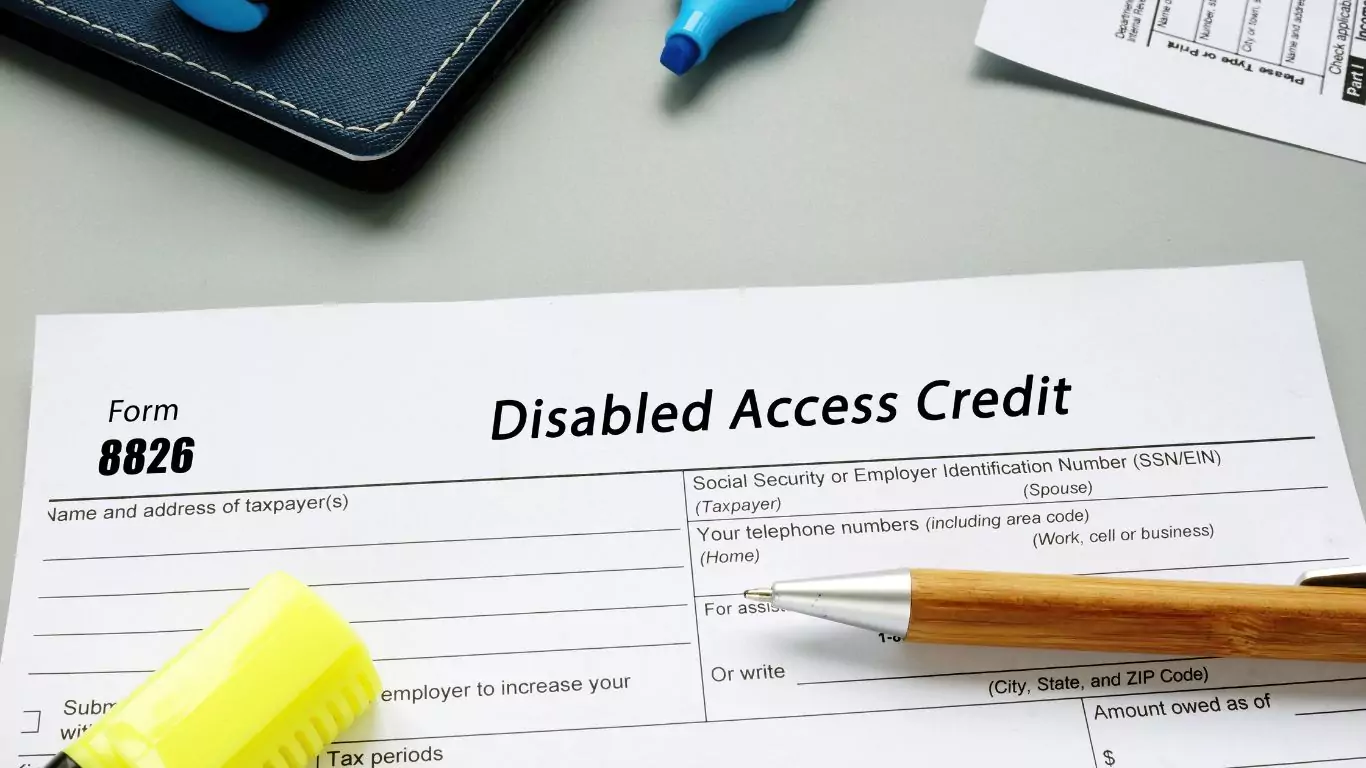
TLDR: Ask your accountant about the Disabled Access Credit. You can claim 50% of what you spend on web accessibility…...