

Global Accessibility Awareness Day: Championing Digital Inclusion Across Your Organization

Jeffrey Rodgers
May 02 9 min read Image Caption
May 15th marks Global Accessibility Awareness Day (GAAD), a worldwide event dedicated to raising awareness about digital accessibility and inclusion. As our digital landscape continues to evolve, ensuring everyone can access and use digital products regardless of ability becomes not just a compliance consideration, but a business imperative.
This year’s GAAD presents the perfect opportunity for organizations to reflect on their accessibility practices and take meaningful steps toward more inclusive digital experiences. Whether you’re a CEO making high-level decisions, a developer writing code, or a designer creating user experiences, there are actionable ways to participate in GAAD and foster lasting change within your organization.
Why GAAD Matters in 2025
According to the World Health Organization, over one billion people worldwide live with some form of disability. In the United States alone, approximately 61 million adults—about 1 in 4—have a disability that potentially impacts how they interact with digital content. These statistics highlight the vast audience that may be excluded when accessibility isn’t prioritized.
Global Accessibility Awareness Day originated in 2012 as a grassroots effort to get people thinking and talking about digital accessibility. Since then, it has grown into an international movement with events, workshops, and initiatives across the globe. The day serves as a reminder that accessibility isn’t just about compliance with laws like the Americans with Disabilities Act (ADA) or standards like the Web Content Accessibility Guidelines (WCAG)—it’s about fundamentally ensuring equal access for all users.
Actionable GAAD Initiatives for Different Roles
For CEOs and Business Leaders
As a business leader, your commitment to accessibility sets the tone for your entire organization. Here are specific actions you can take for GAAD:
- Make a Public Commitment: Issue a statement about your organization’s dedication to digital accessibility. Share it on your website, social media, and internal communications.
- Review Your Accessibility Policy: If you don’t have one, GAAD is the perfect time to develop a formal policy that outlines your commitment to creating accessible digital experiences.
- Understand the Business Case: Take time to learn about the return on investment (ROI) of accessibility. Our guide on Unlocking the ROI of Digital Accessibility offers valuable insights into how accessibility impacts customer satisfaction and loyalty.
- Allocate Resources: Commit to providing necessary resources—whether that’s budget for training, hiring accessibility specialists, or implementing new tools—to support your accessibility initiatives.
- Organize an Executive Lunch-and-Learn: Invite an accessibility expert to educate your leadership team on the importance of digital inclusion. This can help secure buy-in across departments.
- Establish Accessibility KPIs: Implement key performance indicators related to accessibility to track progress and hold your organization accountable.
- Download Our Business Leader’s Guide: Our comprehensive resource, Achieving and Maintaining Digital Accessibility: A Guide for Business Leaders, provides a roadmap for creating and sustaining accessible digital environments.
For CTOs and Technology Managers
As technology leaders, you bridge the gap between business objectives and technical implementation. Here’s how you can champion accessibility:
- Conduct an Accessibility Audit: Use GAAD as a catalyst to assess your current digital properties. Identify areas for improvement and create a remediation roadmap.
- Integrate Accessibility into DevOps: Ensure accessibility testing is built into your continuous integration and delivery pipeline, not treated as an afterthought.
- Evaluate Procurement Processes: Review how you evaluate third-party tools and vendors. Consider implementing VPAT (Voluntary Product Accessibility Template) requirements for all new technology acquisitions. Our VPAT Demystified guide can help you understand this critical evaluation tool.
- Create Technical Accessibility Standards: Develop or refine internal guidelines that align with WCAG standards but are specific to your organization’s technology stack.
- Invest in Ongoing Testing: Recognize that accessibility is not a one-time fix but requires continuous monitoring, similar to cybersecurity. Consider a managed accessibility operations approach that identifies and fixes issues in real-time.
- Implement Accessibility Test Automation: Set up automated accessibility testing tools in your CI/CD pipeline to catch common issues early in the development process.
- Learn From Our Case Study: Our article on Why Fixing HTML Accessibility Issues at the Source Matters demonstrates the importance of addressing accessibility at the code level rather than applying surface-level fixes.
For Web Developers
Developers are at the forefront of creating accessible experiences. Here’s how you can contribute:
- Take the “No Mouse Challenge”: Navigate your websites using only your keyboard for a day. This simple exercise can reveal major accessibility barriers.
- Learn ARIA Best Practices: Spend time deepening your understanding of Accessible Rich Internet Applications (ARIA) attributes and when to use them appropriately.
- Audit Your Components: Review your most frequently used UI components for accessibility issues. Focus on forms, navigation, modals, and custom interactive elements.
- Create an Accessibility Component Library: Start building a collection of pre-tested, accessible components that your team can use across projects.
- Implement Focus Management: Ensure proper keyboard focus management in single-page applications and complex interactions.
- Test with Assistive Technologies: Install a screen reader (like NVDA, JAWS, or VoiceOver) and learn the basics of how to test your work.
- Join an Accessibility Community: Connect with other developers through groups like WebAIM or the A11Y Slack community to share knowledge and resources.
- Understand the HTML Fix Imperative: Our case study on Fixing HTML Accessibility Issues explains why addressing problems at their source leads to more sustainable solutions than overlay tools.
For UX/UI Designers
Designers play a crucial role in creating inclusive experiences from the ground up:
- Design with Accessibility in Mind: Use GAAD as motivation to incorporate accessibility considerations from the beginning of your design process, not as an afterthought.
- Check Color Contrast: Review your design system to ensure all color combinations meet WCAG contrast requirements (4.5:1 for normal text, 3:1 for large text).
- Create Accessible Design Patterns: Develop a set of accessible design patterns for common interactions like form validation, error messages, and navigation.
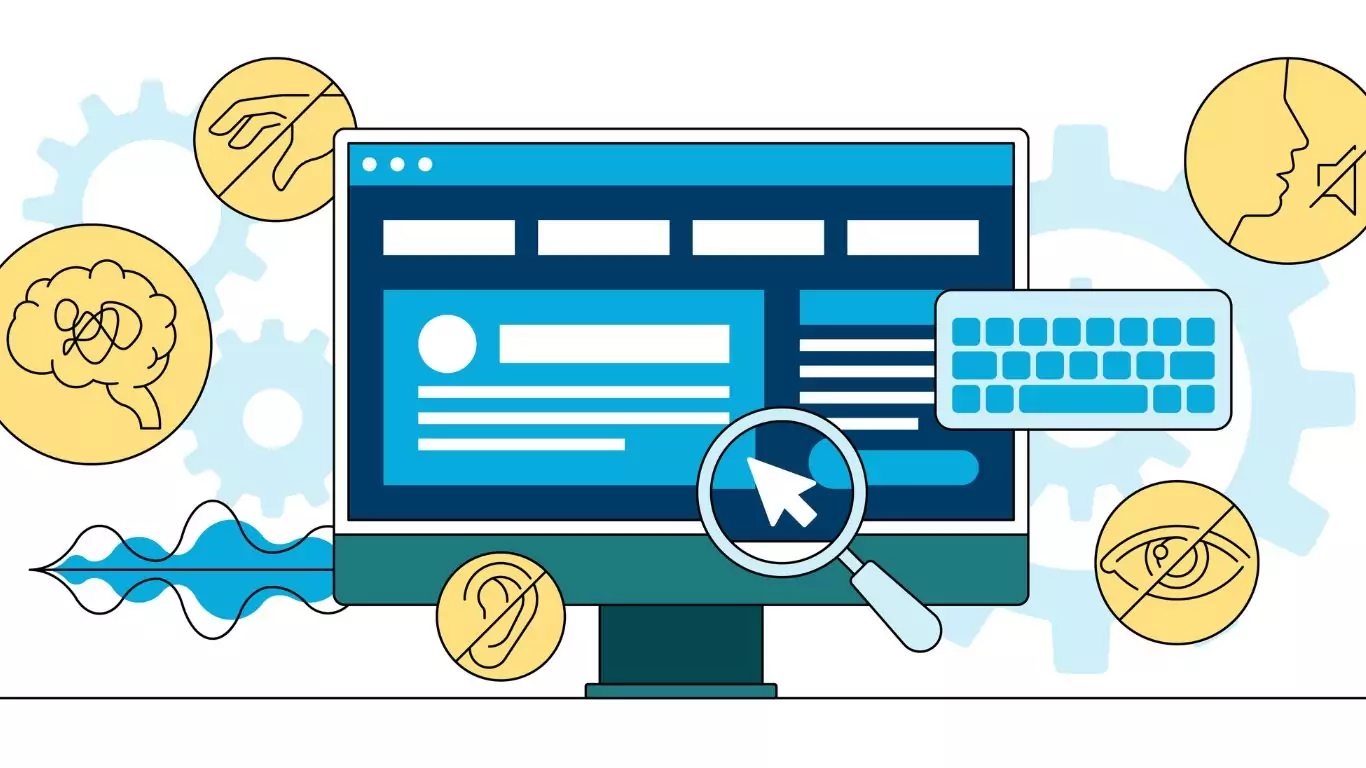
- Consider Different User Needs: Design with various disabilities in mind, including visual, auditory, motor, and cognitive impairments.
- Implement Inclusive User Testing: Include users with disabilities in your user testing protocols. Their feedback is invaluable for creating truly accessible experiences.
- Learn from Accessibility Experts: Follow designers who specialize in accessibility on social media or attend webinars focused on inclusive design principles.
- Create Accessibility-Focused User Personas: Develop personas that represent users with various disabilities to keep their needs top of mind during the design process.
Championing Accessibility Beyond GAAD
While Global Accessibility Awareness Day is an excellent catalyst for action, creating truly inclusive digital experiences requires ongoing commitment. Here’s how to maintain momentum:
Build Internal Advocacy
- Create an Accessibility Working Group: Form a cross-functional team dedicated to advancing accessibility initiatives throughout the year.
- Designate Accessibility Champions: Identify individuals across departments who can advocate for accessibility in their respective areas.
- Share Success Stories: Regularly communicate accessibility wins and improvements to demonstrate value and maintain engagement.
Implement Continuous Learning
- Develop a Training Program: Create role-specific training that helps team members understand accessibility as it relates to their work.
- Host Monthly Accessibility Workshops: Keep the conversation going with regular learning opportunities focused on different aspects of digital inclusion.
- Create an Accessibility Resource Hub: Compile guides, tools, and learning materials in a central location accessible to all team members.
Integrate Accessibility into Processes
- Incorporate Accessibility Checkpoints: Add accessibility reviews at key stages of your project workflows.
- Adopt a Managed Accessibility Approach: Move beyond the traditional audit-remediate-audit cycle to a more dynamic, ongoing approach to accessibility maintenance—similar to how you would handle cybersecurity.
- Measure and Report Progress: Regularly assess your digital properties against accessibility standards and report findings to leadership.
The Business Impact of Accessibility
While the ethical case for accessibility is compelling on its own, the business benefits are equally significant:
- Expanded Market Reach: Accessible digital properties can reach the more than one billion people worldwide with disabilities, representing a massive market opportunity.
- Improved User Experience for Everyone: Many accessibility features, such as clear navigation and straightforward content, benefit all users, not just those with disabilities.
- Enhanced Brand Reputation: Organizations known for their commitment to accessibility often enjoy stronger brand loyalty and positive public perception.
- Reduced Legal Risk: With a growing number of lawsuits related to digital accessibility, proactive compliance helps mitigate legal exposure.
- Innovation Catalyst: Designing for accessibility often leads to innovative solutions that improve products for all users.
For a deeper dive into the financial benefits of accessibility, check out our guide on Unlocking the ROI of Digital Accessibility.
Moving from Audit-Focused to Operation-Focused Accessibility
One of the key challenges organizations face is the traditional “audit-fix-repeat” cycle of accessibility work. This approach:
- Creates bottlenecks in development
- Leads to recurring issues as new content is added
- Results in periodic accessibility “crises” rather than consistent compliance
At Accessiblü, we advocate for a different approach: Managed Accessibility Operations. This model:
- Treats accessibility like cybersecurity—as an ongoing operational concern
- Integrates testing and remediation simultaneously
- Provides direct access to accessibility experts who can solve problems in real-time
- Creates a more sustainable approach to maintaining compliance
Learn more about this approach in our Guide for Business Leaders.
GAAD Events and Resources
To make the most of Global Accessibility Awareness Day, consider participating in these activities:
- Virtual Events: Many organizations host webinars, panels, and workshops on GAAD. Check the official GAAD website for listings.
- Accessibility Challenges: Participate in challenges like “No Mouse Day” or “Screen Reader for an Hour” to build empathy and understanding.
- Community Meetups: Connect with local accessibility groups that may be hosting in-person or virtual gatherings.
- Free Resources: Take advantage of free accessibility courses and resources often released around GAAD.
- Social Media Campaigns: Join conversations using the #GAAD hashtag to share your organization’s commitment and learn from others.
Conclusion: Making Every Day an Accessibility Awareness Day
While GAAD provides a valuable focal point for accessibility efforts, the true goal is to integrate accessibility thinking into your daily operations. By incorporating the strategies outlined above and leveraging resources like our comprehensive guide for business leaders, you can transform how your organization approaches digital inclusion.
Remember, accessibility isn’t just about compliance—it’s about creating digital experiences that truly work for everyone. That’s good for users, good for business, and good for society.
This Global Accessibility Awareness Day, commit to moving beyond awareness to action. Your journey toward more accessible digital experiences starts now.
Looking to transform your organization’s approach to digital accessibility? Accessiblü offers a unique managed operations model that goes beyond traditional audits to provide ongoing, expert-led accessibility support. Contact us to learn how we can help make accessibility a seamless part of your digital strategy.
 March 30 9 min read
Every spring, WebAIM publishes its annual analysis of the top one million home pages on the web, scanning each one…...
November 05 12 min read
You’ve just spent hours building the perfect grade tracker in Excel. Color-coded rows show which students are excelling (green) versus…...
 October 22 10 min read
If you think accessibility compliance testing means running a quick automated scan and checking your site with one screen reader,…...
 August 29 15 min read
Let’s talk about something: your website’s accessibility statement. If you’re in the C-suite or on the legal team, you’ve probably wondered…...
August 25 15 min read
By Shannon (Conformance Specialist & Front End Developer) and Rick (Lead Auditor & AT User), Accessiblü Digital accessibility extends far…...
 July 29 14 min read
By Shannon Nix, Lead Conformance Specialist, and Rick Flores, Lead Auditor at Accessiblü You know that moment when you think…...

 July 24 23 min read
Picture this: you’ve spent weeks perfecting your website’s accessibility on desktop, making sure every button is keyboard navigable and every…...
 June 23 12 min read
Let’s be honest—diving into WCAG (Web Content Accessibility Guidelines) can feel like trying to read a technical manual written by…...
June 09 11 min read
If you’ve ever tried to dive into WCAG (Web Content Accessibility Guidelines), you might have felt like you were…...
May 22 14 min read
We’ve been knee-deep in accessible multimedia training sessions lately, and wow—there’s so much to know to get this right! With…...
 December 13 6 min read
Exciting news in the world of digital accessibility! We’re finally getting some juicy details about WCAG 3.0 – the next…...
 November 08 8 min read
Before joining Accessiblü, I spent 20 years as an instructional designer, accessibility specialist, and LMS administrator in higher education. In…...
October 28 22 min read
As AI continues to evolve, it’s shaking things up in the world of web crawling and search. AI-powered crawlers are…...
 September 16 9 min read
As the digital space continues to play a crucial role in modern political campaigns, accessibility remains a key concern that…...
April 25 3 min read
Accessiblü Insight This Ablü Insight focuses on how to properly use ARIA (Accessible Rich Internet Applications) labels. This is an…...
 April 28 11 min read
Unlocking the Power of Accessibility: A Guide to Creating Inclusive Websites As web developers, we believe creating an accessible, inclusive,…...
 October 31 11 min read
Over the years of working with businesses on accessibility conformance, we’ve seen the same mistakes made over and over again.…...
 September 23 8 min read
JCC Digital Co-op, and The Jewish Community Centers online compliance for its members....
 September 02 10 min read
Web accessibility and compliance. A businesses websites needs to be compliant with the ADA laws....
 August 27 9 min read
Digital accessibility, universal access, and web design are opportunities for good web design....
August 19 9 min read
Digital Overlays are not accessible, and are not ADA compliant. Good web design from the beginning or an accessibility audit…...
 August 12 9 min read
Digital Overlays are not accessible, and are not ADA compliant. Good web design from the beginning or an accessibility audit…...