

Designing for All: Decoding Mobile Accessibility Audits

Jeffrey Rodgers
June 28 7 min read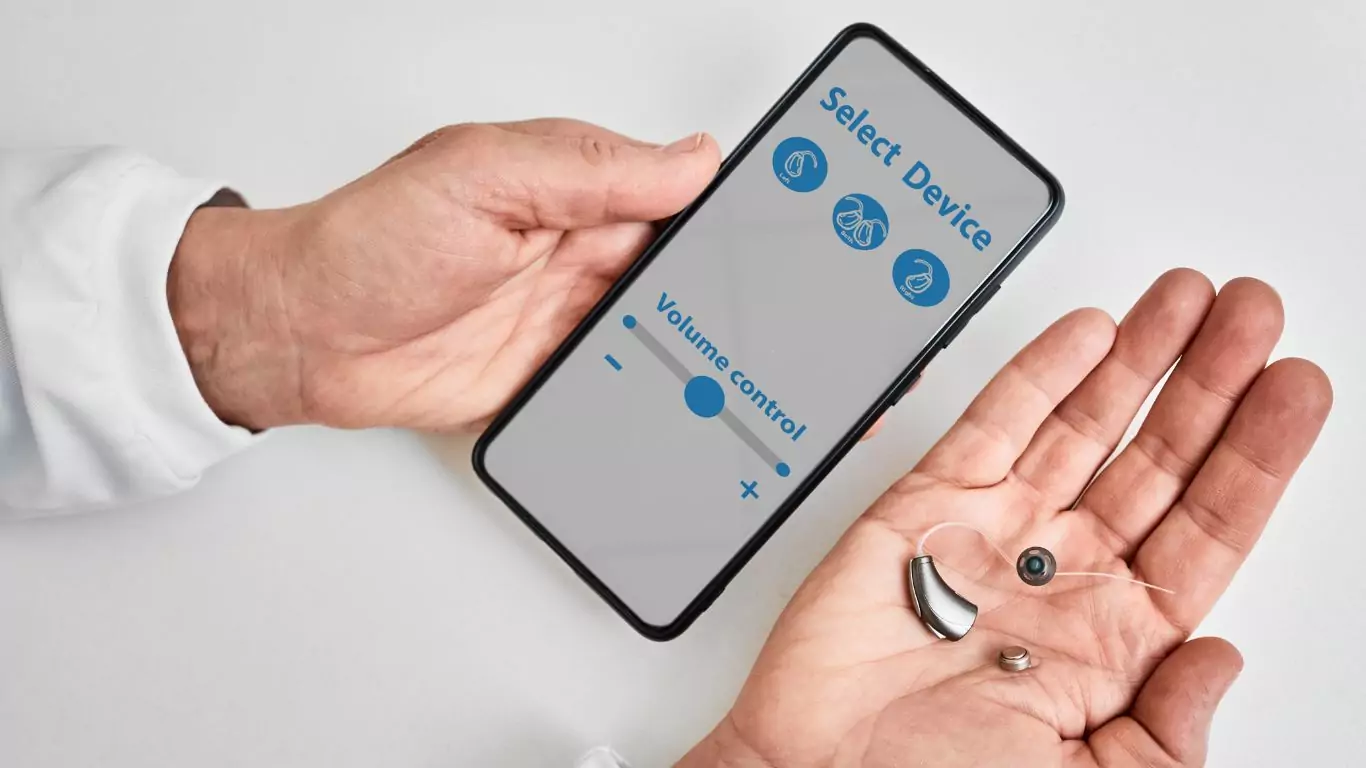 Image Caption
In today’s interconnected world, mobile applications serve as gateways to information, services, and experiences for diverse audiences. However, ensuring these digital touchpoints are truly accessible to users with varying abilities presents a unique challenge. While developers diligently strive to create inclusive experiences, interpreting the results of an accessibility audit can often feel like deciphering a cryptic code.
The complexities arise from the myriad of considerations inherent to mobile platforms. Touch interactions, platform-specific guidelines, and performance constraints demand a nuanced approach distinct from traditional web accessibility. Developers can find themselves grappling with ambiguous findings, unsure of how to prioritize issues or navigate the remediation process effectively.
Yet, by embracing a comprehensive understanding of mobile accessibility principles and leveraging platform-specific tools, developers can unlock the key to crafting truly inclusive mobile experiences.
In the sections that follow, we’ll delve into practical tips for interpreting audit reports, explore the unique challenges of addressing accessibility on mobile apps versus websites, and uncover strategies for seamless remediation. With a well-informed perspective, developers can confidently navigate this landscape, ensuring every user has equal access to the digital world.
Tips for Interpreting an Accessibility Audit
When navigating the intricate landscape of an accessibility audit report for a mobile application, developers must approach the document with a keen eye and a thorough understanding of its structure. By dissecting the report into its core components, developers can unlock insights that pave the way for effective remediation.
Understand the Audit Report Structure
The first step in interpreting an audit report is to familiarize yourself with its organization. Typically, these reports include the following key elements:
- Summary: Look for an executive summary that provides an overview of the audit findings, highlights the most pressing concerns, and offers a high-level perspective on the application’s accessibility.
- Detailed Findings: Beyond the summary, you should find a comprehensive list of identified issues, each accompanied by a description of its impact on users with disabilities and references to specific accessibility guidelines.
- Severity Levels: Pay close attention to the severity levels assigned to each issue, such as critical, major, or minor. These designations serve as a valuable tool for prioritizing fixes, ensuring that the most impactful issues are addressed first.
- Recommended Fixes: A good audit report should provide recommended solutions or suggested fixes for each identified issue, offering developers a starting point for remediation efforts.
Identify Key Areas of Concern
As you delve into the audit report, it’s essential to identify the key areas of concern that may impact the accessibility of your mobile application. These areas often include:
- Navigation and Usability: Check for issues related to how users navigate the app, such as focus order, touch targets, and keyboard navigation. Ensuring seamless navigation is crucial for users with diverse abilities.
- Text and Readability: Verify that all text elements within the application are accessible, including proper use of font sizes, color contrast, and text alternatives for images.
- Interactive Elements: Examine the accessibility of buttons, forms, and other interactive elements, ensuring they are operable using assistive technologies like screen readers.
- Media and Animation: Look for issues related to video captions, audio descriptions, and animations that might affect users with disabilities, such as those with photosensitive epilepsy.
Review Against Standards and Consult Stakeholders
As you evaluate the audit findings, it’s crucial to cross-reference them with the relevant accessibility standards, such as WCAG 2.2, Section 508, and the mobile-specific guidelines provided for platforms like Android and iOS. This step ensures that your remediation efforts align with industry best practices and legal requirements.
Additionally, engaging with key stakeholders, including your development team, designers, and other decision-makers, is essential. Discuss the audit findings, their implications, and the feasibility of the recommended fixes. This collaborative approach fosters a shared understanding and facilitates a more efficient remediation process.
Fixing Accessibility Issues on Mobile Apps vs. Websites
While the principles of accessibility remain constant across digital platforms, addressing accessibility issues on mobile applications demands a unique approach, distinct from traditional web development. Recognizing the differences between these two realms is crucial for developers to effectively navigate the remediation process and deliver truly inclusive experiences.
Differences in Addressing Mobile App Accessibility
When it comes to tackling accessibility challenges, the fundamental distinctions between mobile apps and websites revolve around interaction methods, platform-specific guidelines, and performance considerations.
Touch Interactions
- Mobile Apps: The primary focus lies on touch target size and spacing to ensure that buttons and other interactive elements are easily tappable, especially for users with motor impairments or dexterity challenges.
- Websites: While touch interactions are also crucial on mobile web, websites must cater to a broader range of input methods, including mouse and keyboard interactions, necessitating a more comprehensive approach.
Platform-Specific Guidelines
- Mobile Apps: Developers must adhere to the platform-specific accessibility guidelines provided by industry leaders like Apple (Human Interface Guidelines) and Google (Material Design Guidelines). Each platform has unique features and requirements that must be meticulously followed.
- Websites: While websites must also consider platform-specific nuances, they primarily adhere to the more generalized WCAG guidelines, which offer a broader framework for accessibility compliance.
Navigation Patterns
- Mobile Apps: Ensuring intuitive navigation for touch users is paramount, including the appropriate implementation of gestures and seamless integration with screen readers like VoiceOver (iOS) and TalkBack (Android).
- Websites: The focus shifts to logical keyboard navigation, effective use of ARIA landmarks, and maintaining a proper tab order to facilitate an accessible browsing experience.
Screen Reader Support
- Mobile Apps: Testing with mobile screen readers is essential, ensuring that all elements are properly labeled and navigable. Developers must leverage accessibility features like accessibility hints and traits to enhance the user experience.
- Websites: While screen reader compatibility is crucial, websites must ensure compatibility across various screen readers and browsers, as well as operating systems, accounting for a broader range of user preferences and technologies.
Responsive Design
- Mobile Apps: Although apps are designed for specific screen sizes and resolutions, developers must ensure that the app works seamlessly across different device orientations and screen sizes, optimizing the experience for diverse form factors.
- Websites: Responsive design is a fundamental requirement for websites. It enables them to adapt fluidly to various screen sizes, from desktops to tablets and mobile devices, ensuring an accessible experience across the digital landscape.
Performance Considerations
- Mobile Apps: Optimizing for performance is critical, as accessibility features must not hinder the app’s responsiveness, especially given mobile devices’ resource constraints.
- Websites: While performance is still a concern, websites typically have more leeway in terms of resource utilization, as they can leverage the processing power of modern devices and high-speed internet connections.
Testing and Debugging
- Mobile Apps: Developers must leverage platform-specific tools like Xcode Accessibility Inspector (iOS) and Accessibility Scanner (Android) to thoroughly test and debug accessibility issues within their mobile applications.
- Websites: While web developers can also utilize tools like Lighthouse, Axe, and browser developer tools, the testing and debugging process for websites often involves a more diverse set of devices, browsers, and assistive technologies.
Interpreting Mobile App Accessibility for an Inclusive Experience
Interpreting an accessibility audit for a mobile application requires a nuanced understanding of the unique challenges and considerations inherent to mobile platforms. While the fundamental principles of accessibility remain constant, the path to creating truly inclusive mobile experiences necessitates a tailored approach that recognizes the distinct differences from web accessibility.
By embracing mobile-specific guidelines, developers can ensure seamless touch interactions, intuitive navigation patterns, and optimal performance across diverse devices and form factors. Leveraging platform-specific tools and adhering to industry-leading accessibility standards, such as those provided by Apple and Google, empowers developers to meticulously address identified issues and deliver exceptional user experiences.
Moreover, fostering a collaborative mindset and engaging key stakeholders throughout the remediation process is paramount. By fostering open communication and leveraging the expertise of designers, developers, and decision-makers, organizations can navigate the complexities of mobile accessibility with confidence, prioritizing critical issues and implementing solutions that cater to the diverse needs of their user base.
 October 22 10 min read
If you think accessibility compliance testing means running a quick automated scan and checking your site with one screen reader,…...
 October 03 12 min read
I got an email last week that made me both laugh and cringe at the same time. A procurement manager…...
 August 06 11 min read
How the traditional audit-first approach keeps businesses stuck in an expensive cycle of non-compliance—and what actually works instead. If you’re…...
 July 31 9 min read
Why We Recommend Managed Accessibility Ops Over Traditional Audits When potential clients reach out to Accessiblü, most ask for the…...
 April 28 12 min read
In today’s digital landscape, accessibility isn’t just a nice-to-have—it’s increasingly becoming a business imperative. If you’re a CEO, CTO, or…...
April 03 11 min read
In my years leading digital accessibility initiatives, I’ve witnessed a recurring pattern: organizations invest heavily in accessibility audits, only to…...
March 23 5 min read
In the digital age, where customer satisfaction and brand loyalty drive success, ensuring your digital assets are accessible is not…...
 September 19 11 min read
Digital accessibility is a complex challenge. Businesses often struggle to know where to start, lacking a clear understanding of how…...
 September 05 9 min read
By Rick Flores, Lead Auditor for Accessiblü. In an era where technology continually transforms our lives, Artificial Intelligence (AI) stands…...
 September 05 8 min read
Digital accessibility presents a significant challenge for company executives. Many leaders mistakenly view it as a simple fix or an…...
 August 28 9 min read
In today’s digital-first world, ensuring your website, desktop applications, and mobile apps are accessible is not just a matter of…...
 August 28 5 min read
Are you responsible for ensuring digital accessibility on your company’s website, app, or digital assets? Then you know that in…...
July 01 9 min read
Ensuring digital accessibility is a crucial responsibility, yet interpreting and addressing the findings from accessibility audits can pose significant challenges…...
April 18 4 min read
Accessiblü Insight: Audits vs. Testing This Ablü Insight focuses on the differences between accessibility audits and testing. Clients are often…...
April 10 10 min read
In a significant move towards inclusivity, the Department of Justice (DOJ) recently issued a final rule under Title II of…...
March 15 12 min read
Knowing what to ask for in an accessibility contract or Request For Proposal (RFP) will help ensure that you get…...
 December 20 14 min read
Looking to improve your website’s accessibility in 2024? Don’t worry; our digital accessibility plan has you covered! Entering a new…...
December 11 10 min read
As businesses increasingly recognize the importance of creating inclusive digital experiences, there is a growing demand for manual accessibility audits.…...
 December 01 10 min read
In today’s digital landscape, web accessibility is essential to ensuring equal access and inclusion for all users. Accessibility overlays have…...
November 07 11 min read
When it comes to evaluating the accessibility of your website or app, understanding which type of audit report is best…...
 September 18 15 min read
Accessibility is a fundamental aspect that all website owners and developers should consider. Understanding how people with disabilities navigate the…...
June 29 14 min read
Businesses ready to make accessibility a priority often encounter a barrier of their own, determining the cost of a website…...
 June 09 10 min read
Ensuring web accessibility is crucial for creating inclusive digital experiences that enable people with diverse abilities to access and interact…...
 October 31 11 min read
Over the years of working with businesses on accessibility conformance, we’ve seen the same mistakes made over and over again.…...

 August 19 9 min read
Digital Overlays are not accessible, and are not ADA compliant. Good web design from the beginning or an accessibility audit…...
August 12 9 min read
Digital Overlays are not accessible, and are not ADA compliant. Good web design from the beginning or an accessibility audit…...
 May 16 5 min read
Global Accessibility Awareness Day (GAAD) is every third Thursday in May – this year it is May 19, 2022 On…...
 October 15 5 min read
Website ADA audits are typically the initial offering from the accessibility industry; they promise to find all of the accessibility…...
 September 03 5 min read
TLDR: Ask your accountant about the Disabled Access Credit. You can claim 50% of what you spend on web accessibility…...